Skip to content
Search

Latest Stories

GZERO AI

Putin takes aim at West’s “AI monopoly”

​President Vladimir Putin on Friday warned that the West should not be allowed to develop a monopoly in the sphere of artificial intelligence and said that a much more ambitious Russian strategy for the development of AI would be approved shortly.

President Vladimir Putin on Friday warned that the West should not be allowed to develop a monopoly in the sphere of artificial intelligence and said that a much more ambitious Russian strategy for the development of AI would be approved shortly.

Reuters
Vladimir Putin wants Russia to rival the West on AI development. On Friday at the Artificial Intelligence Journey conference in Moscow, the Russian president vowed to sign off on a new AI strategy, which would see his government pour money into supercomputers and educational initiatives. Moscow’s strategy would focus on generative AI and large language models, a field dominated by American firms such as Google and OpenAI.

Putin’s speech was both a statement of intent and a critique of the West’s dominance of modern technology. “Monopolistic dominance of such foreign technology in Russia is unacceptable, dangerous, and inadmissible,” Putin said, noting that “monopoly and domination” of AI by foreign powers is “unacceptable and dangerous.”

Russia is lagging in the AI race. By one count of “significant machine learning systems” cited by Stanford University’s Institute for Human-Centered AI, the US leads the world with 16 such systems, followed by the UK with eight, and China with three. Russia, meanwhile, has just one.

Russia has its own AI chatbots hoping to rival OpenAI’s ChatGPT, such as GigaChat from the state-owned financial services company Sberbank. But Moscow has meddled in the affairs of its private technology firms, including Yandex, the so-called “Google of Russia,” for its namesake search engine. Yandex, now owned by a Dutch holding company, is in the process of divesting from its Russian assets after clashing with Moscow’s censors. With Yandex largely left out of Moscow’s AI planning due to deep-seated distrust, Russia has funneled its AI ambitions through state-owned firms like Sberbank and made limited progress in jumpstarting its domestic AI development.

Moscow may be serious about funding AI development, but that would require Putin to loosen his chokehold on Russian industry – which is about as likely as him sharing eggnog with Zelensky this Christmas.

More For You

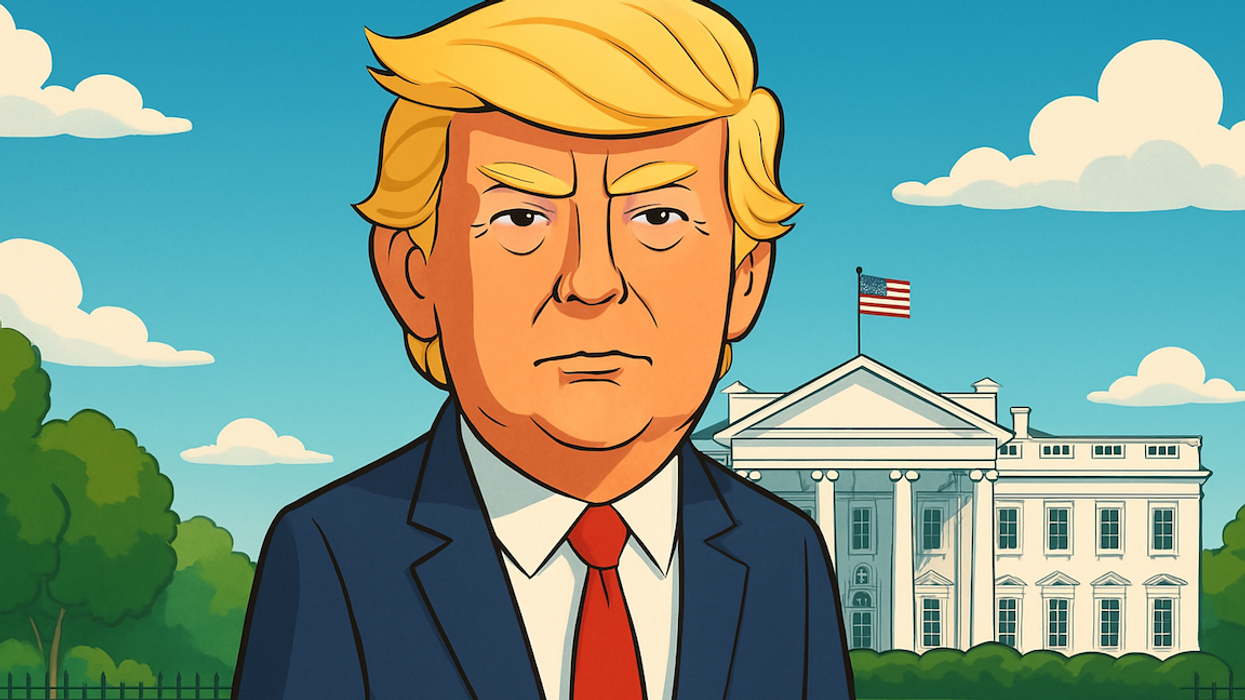
What we learned from a week of AI-generated cartoons
Courtesy of ChatGPT
Last week, OpenAI released its GPT-4o image-generation model, which is billed as more responsive to prompts, more capable of accurately rendering text, and better at producing higher-fidelity images than previous AI image generators. Within hours, ChatGPT users flooded social media with cartoons they made using the model in the style of the [...]
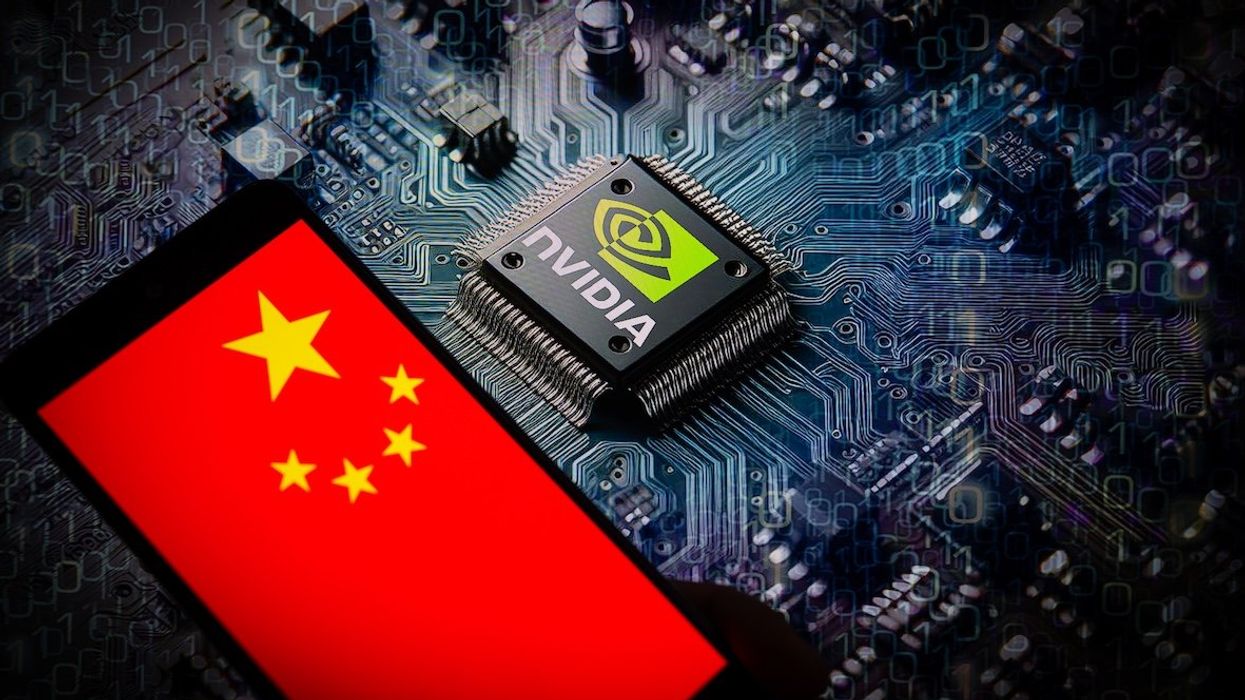
The flag of China is displayed on a smartphone with a NVIDIA chip in the background in this photo illustration.

The flag of China is displayed on a smartphone with a NVIDIA chip in the background in this photo illustration.

Jonathan Raa/NurPhoto via Reuters
H3C, one of China’s biggest server makers, has warned about running out of Nvidia H20 chips, the most powerful AI chips Chinese companies can legally purchase under US export controls. [...]
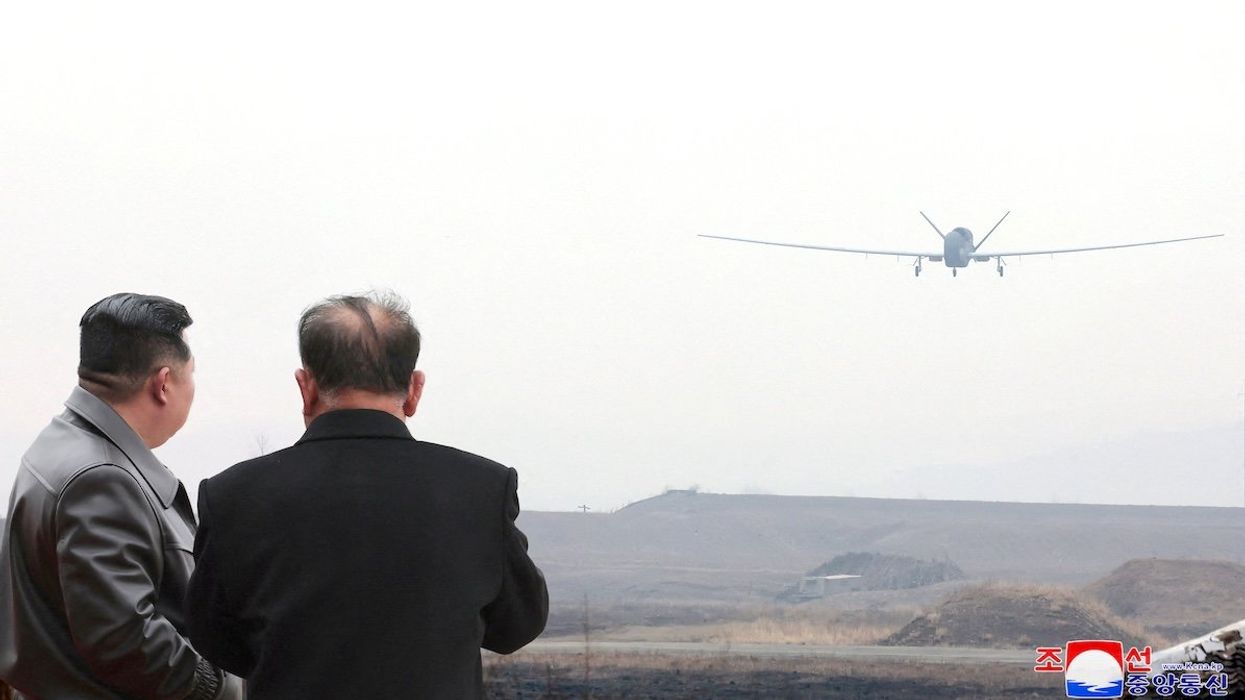
​North Korean leader Kim Jong Un supervises the test of suicide drones with artificial intelligence at an unknown location, in this photo released by North Korea's official Korean Central News Agency on March 27, 2025.

North Korean leader Kim Jong Un supervises the test of suicide drones with artificial intelligence at an unknown location, in this photo released by North Korea's official Korean Central News Agency on March 27, 2025.

KCNA via REUTERS
Hermit Kingdom leader Kim Jong Un has reportedly supervised AI-powered kamikaze drone tests. He told KCNA, the state news agency, that developing unmanned aircraft and AI should be a top priority to modernize North Korea’s armed forces. [...]
The logo for Isomorphic Labs is displayed on a tablet in this illustration.

The logo for Isomorphic Labs is displayed on a tablet in this illustration.

Igor Golovniov/SOPA Images/Sipa USA via Reuters
In 2024, Demis Hassabis won a Nobel Prize in chemistry for his work in predicting protein structures through his company, Isomorphic Labs. The lab, which broke off from Google's DeepMind in 2021, raised $600 million from investors in a new funding round led by Thrive Capital on Monday. The company did not disclose a valuation. [...]