In 2023, the Washington Post embarrassed Justin Trudeau when it published a leaked Pentagon report bemoaning Canada’s “widespread defense shortfalls.” They were so bad, the paper said, they were “straining partner relationships and alliance contributions.”
For years, NATO allies were frustrated that the Canadians persistently failed to meet the 2% spending target that is supposed to be the cover charge for being a member of the world’s most powerful military alliance.
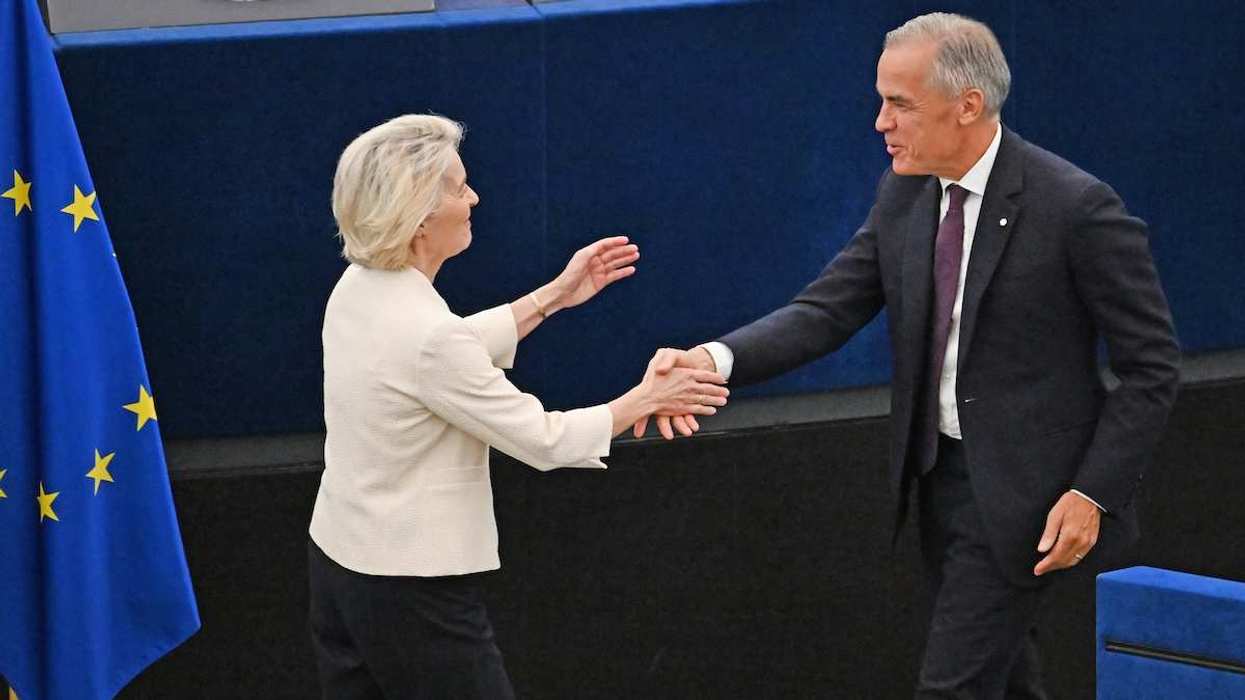
But this week, newly elected Prime Minister Mark Carney sought to put an end to all of that, announcing a new defense budget of CA$62.7 billion between 2025 and 2026. That’s a 17% increase over the current budget, and it would get Canada to the NATO benchmark this year.
It’s a sea change in priorities for a country that—bound on three sides by vast oceans, one of which is permanently frozen, and on the other by a long undefended border with the United States—hasn’t had a compelling reason to spend on defense.
But ever since 2022, when the Russians made their failed thunder run to Kyiv, the world has become more dangerous, and opinion has shifted. At last year’s NATO summit, Trudeau finally gave in to pressure and promised that Canada would hit the target—but not until 2032. This year, Canada was to spend just 1.37% of GDP on defense.
It’s not yet clear where all the money will go, and whether all of it will meet NATO’s definition of military spending, but Canadians are finally doing what their allies want, because they have to.
“A new imperialism threatens,” Carney said. “Middle powers must compete for interests and attention, knowing that if they’re not at the table, they’re on the menu.”
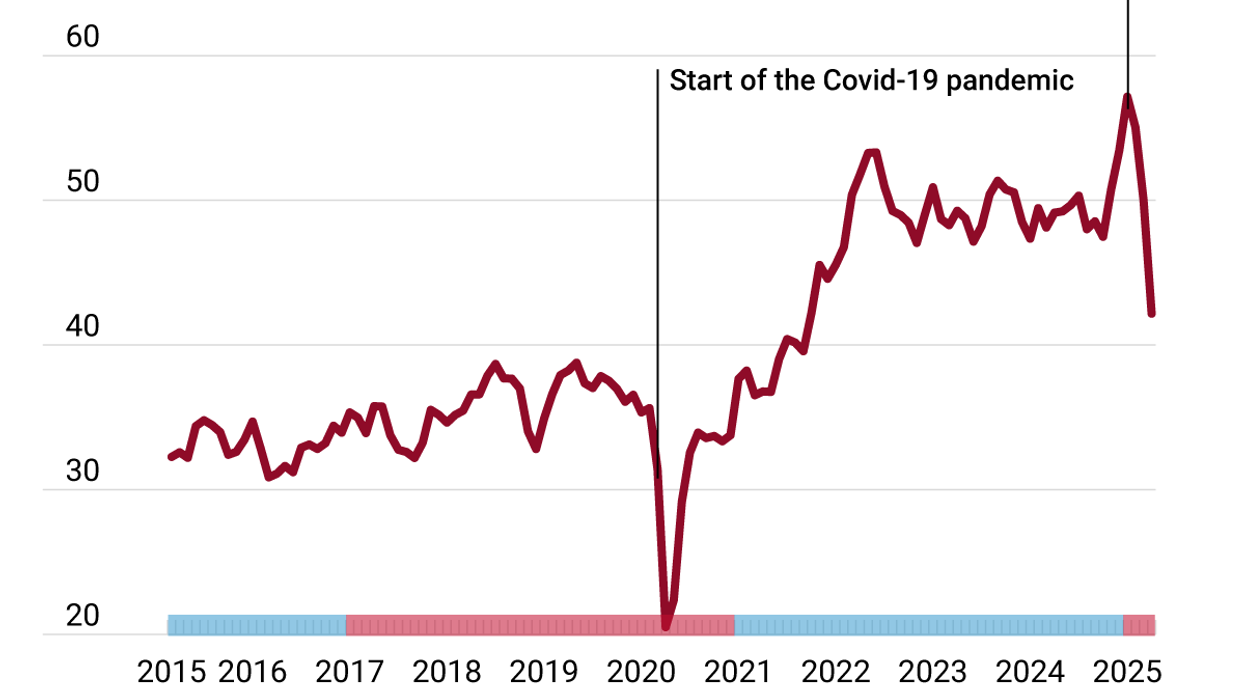
Canadians have reluctantly concluded they have to pony up. A recent poll shows that 65% of voters want more military spending, up from 34% in 2022.
Russian aggression and erratic American leadership have shaken up the old calculations about the wisdom of relying on the Americans to provide continental defense.
“The United States is beginning to monetize its hegemony,” Carney said, “charging for access to its markets and reducing its relative contributions to our collective security.”
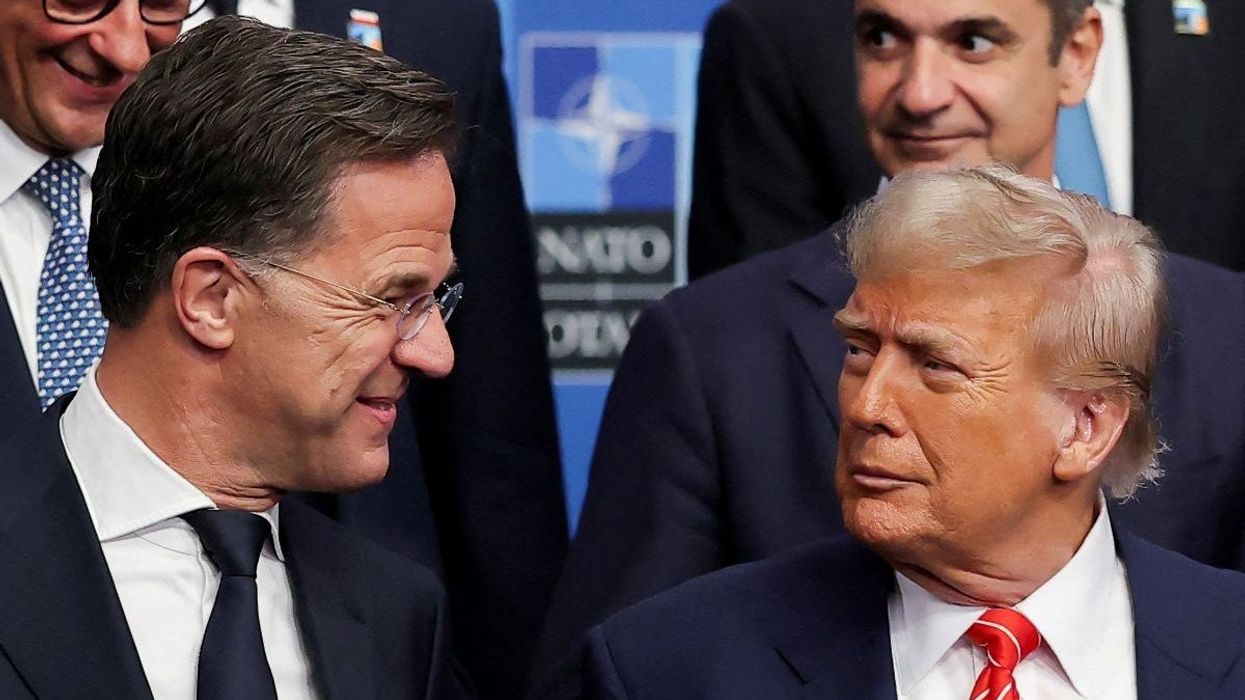
But there is another factor: Trump. In his first term, the US president derided allies as freeloaders and urged them to spend more, but yielded limited results. In his second term, Trump has been more belligerent and threatening, and he is getting what he (and, to be fair, most NATO militaries) wants: bigger defense budgets.
In fact, he has upped the ante, demanding a new benchmark of 5%, a target that many NATO countries have tentatively agreed to—and are expected to confirm when they meet in the Netherlands later this month. As in Canada, the policy of increased defense spending enjoys broad approval in most of Europe, as voters worry about Russian aggression and American unpredictability.
In Canada, the new spending feels overdue. The Canadian Armed Forces have been understaffed for a decade, and, as Carney pointed out Monday, only one of the country’s four submarines is operational. Having relied on Uncle Sam for so long, Canada is now unable to protect the sovereignty in its territorial waters and the Arctic on its own.
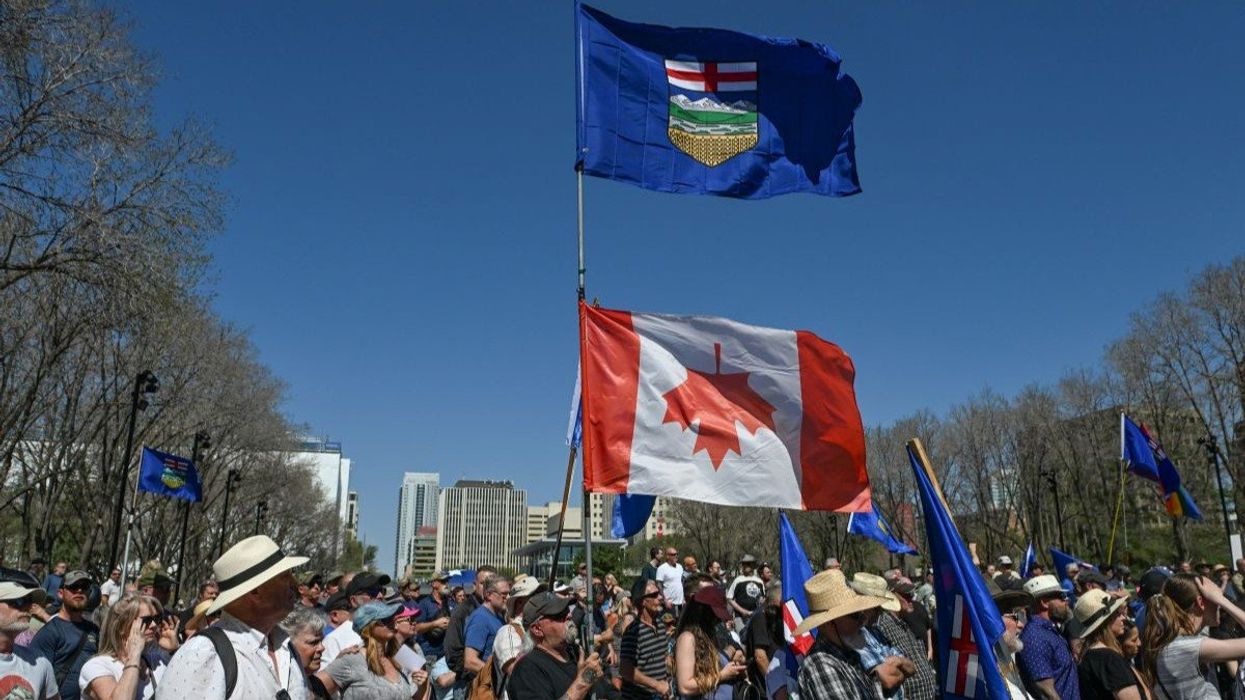
The spending may also help Carney smooth relations with Trump, who has imposed job-killing tariffs on Canada and threatened to annex the country. Carney won the recent election by promising to stand up to Trump, resist American aggression, and assert Canadian sovereignty. He has said he wants to join the nascent European rearmament plan, and has ordered a review of Canada’s CA$19-billion (US$15 billion) deal to purchase 88 F-35 fighter jets from US defense firm Lockheed Martin.
Carney, and Canada, have a lot riding on working out an arrangement with Trump. By boosting military spending, Carney has removed a long-standing irritant and improved his negotiating position in the make-or-break negotiations ahead.