Trump relaxes Russian oil sanctions
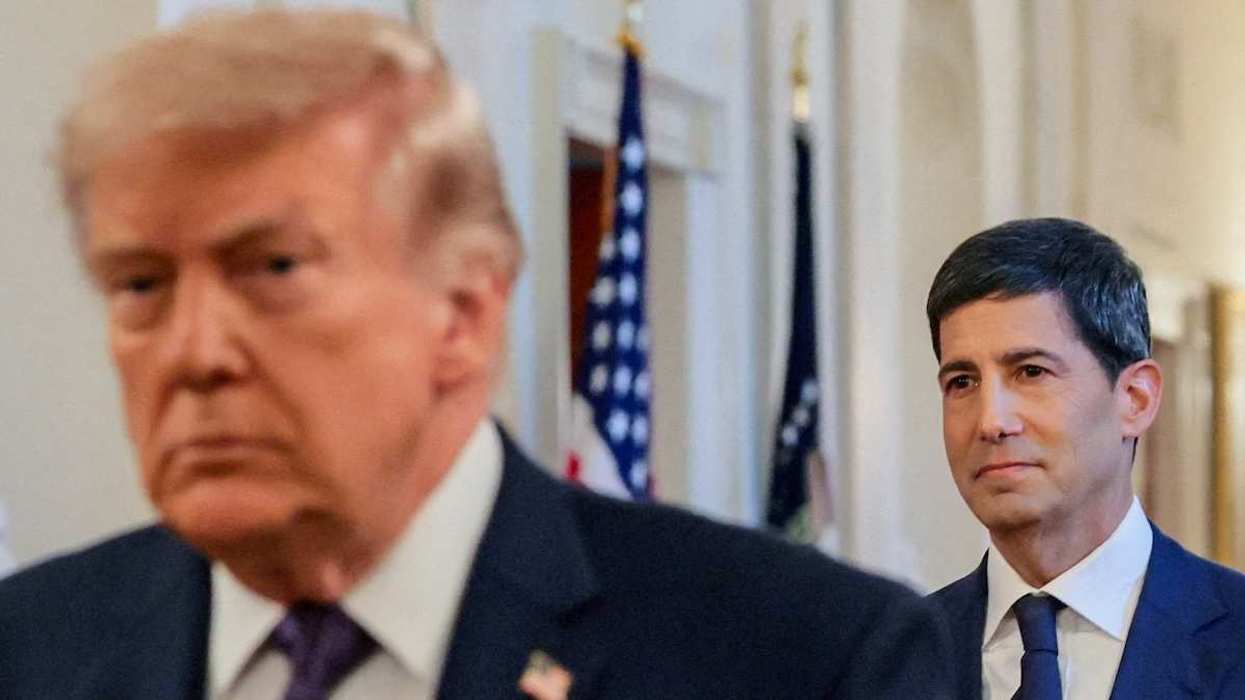
The US has paused Russian oil sanctions in a bid to stabilize energy markets rocked by the war with Iran. Administration officials stress that it’s a “tailored” measure, applying only to oil already loaded onto tankers, but it’s still a gift to Russia, which has already been clocking an extra $150 million daily in oil revenues since the war began. Still, with nearly 50% of Americans blaming US President Donald Trump for higher gas prices, the president is gambling that giving a fresh boost to the Kremlin war machine in Ukraine is worth it to ease pressure at the pump. European leaders – who want more US pressure on Russia to end the war in Ukraine – are understandably miffed, with German Chancellor Friedrich Merz blasting the sanctions move as “wrong.” Meanwhile, France and Germany are reportedly in talks with Iran about letting their own tankers through the Strait of Hormuz.
What can US-Cuba talks achieve?
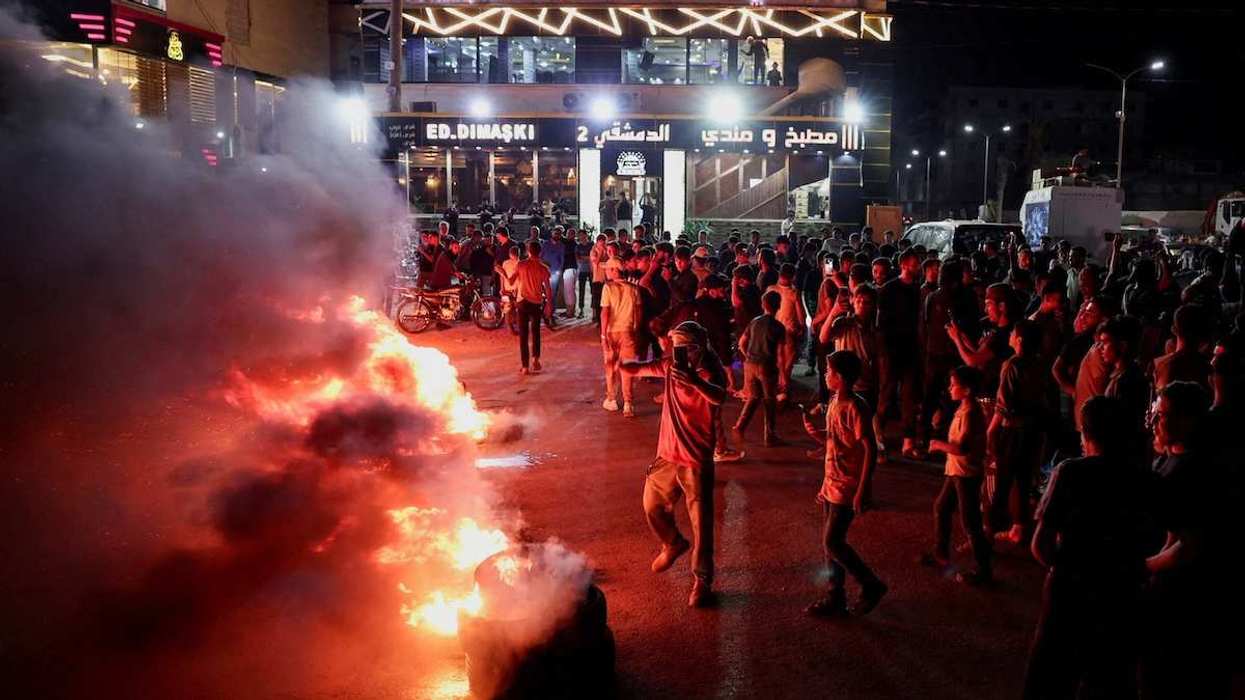
Speaking of oil crises, Cuba has been facing one of its own – one that has plunged the island into prolonged blackouts as fuel rapidly runs out. Amid that backdrop, Cuba’s President Miguel Díaz-Canel openly acknowledged Friday that he was holding talks with the Trump administration about a potential deal to end the US’s de facto oil blockade. His announcement – which ostensibly confirmed previous reports about the existence of those talks – is seen as a last-gasp effort to keep the country’s communist regime alive. However, any deal would likely involve major Cuban concessions, including legalization of opposition parties, an end to criminalization of dissent, and prisoner releases. Havana may have already got the ball rolling, saying Thursday it would release 51 prisoners. Though the crimes of these prisons aren’t known, the move is reportedly aimed at appeasing Washington.