Putin ups the ante – but should he?
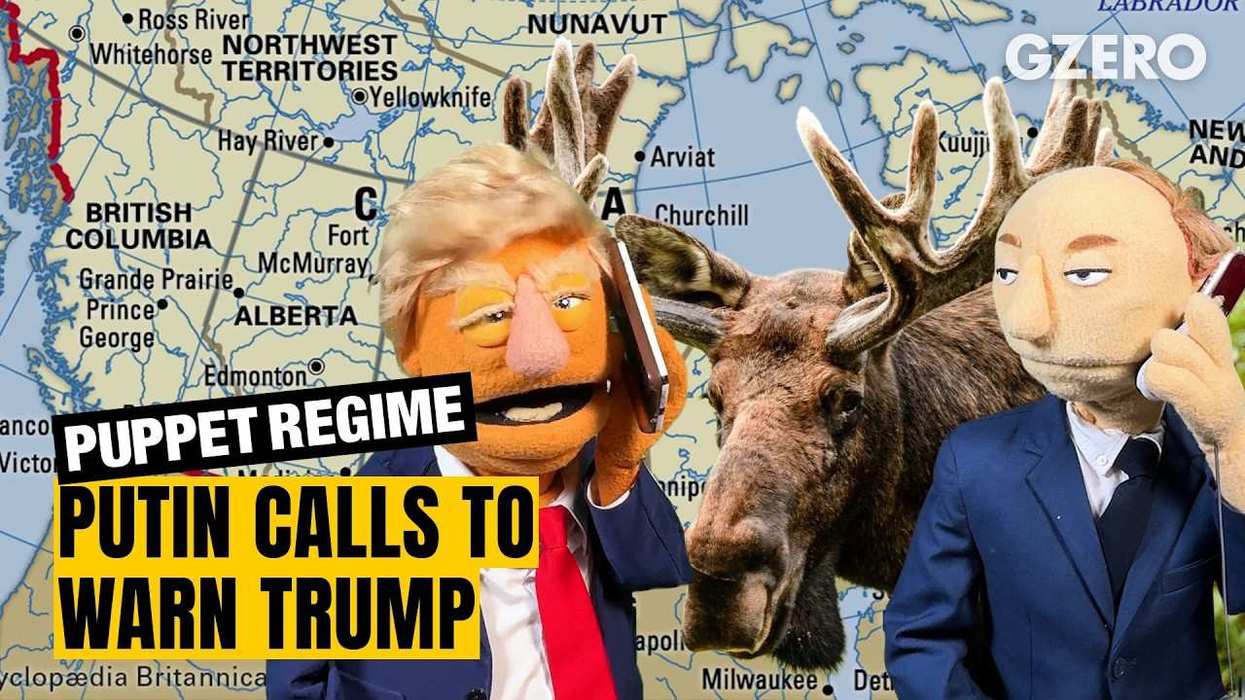
Russia continues to bombard Ukraine, killing 17 people in a wave of drone and missile attacks overnight. But the Parliament also signed a law on Tuesday that would allow the military to attack any country that holds Russians captive. Europe fears that Russian President Vladimir Putin will use this as a pretext to attack other former Soviet states that hold Russians captive, like the NATO member Estonia. It’s not without precedent. In 2014, Putin signed a law that approved Russia’s annexation of Crimea, and signed another in 2020 that legitimized its full-scale invasion of Ukraine. The move could be a risky one for Putin, though: with Estonia arresting large numbers of Russian spies, he may look weak if he doesn’t take action. Yet the last thing his military needs is another war front, least of all with a NATO country. Putin, then, may just be trying to intimidate Europe.
Israel and Lebanon agree to temporary ceasefire, Trump says
On social media, US President Donald Trump announced the leaders of Israel and Lebanon agreed on Thursday morning to a 10-day ceasefire in the raging war between Israel and the Iran-backed militants of Hezbollah. The news is welcome, as the most recent round of fighting between the two old foes has already displaced a million people in tiny Lebanon. But the big question is: will it be respected and enforced? The militants of Hezbollah – Israel’s actual opponent, rather than Lebanon’s armed forces – have so far been mum on the agreement. The measure comes a day after Lebanese and Israeli diplomats met in Washington to discuss ceasefire proposals, the disarmament of Hezbollah (something both the Israeli and Lebanese governments want), and possible pathways to a wider normalization of ties. Trump said he would invite the leaders of Lebanon and Israel to Washington for a direct meeting, which would be the first of its kind in the two countries’ history.