Long wracked by instability, the Caribbean nation of Haiti has had 15 presidents in 33 years. It will now get — maybe — another head of state after President Jovenel Moïse was assassinated in his home Wednesday by unidentified gunmen. The acting head of state has since declared a "state of siege" and shuttered the international airport.
Haiti's security situation and economy have been deteriorating for decades, but this catastrophe unleashes yet more instability in the crisis-ridden country, which has entered failed state territory.
The backdrop. Dictatorships and military coups have long been the law of the land in Haiti, the poorest country in the Western Hemisphere. For almost 30 years until 1986, François and Jean-Claude Duvalier, the autocratic father-son duo known as Papa Doc and Baby Doc, led the country with an iron fist. Jean-Bertrand Aristide, meanwhile, was democratically elected president in 1991, but overthrown in two military coups, and restored to power twice thanks in part to US intervention.
Handpicked by his predecessor President Michael Martelly, Moïse won the 2016 presidential vote in an election many international observers deemed fraudulent. The status of Moïse's leadership was further undermined in 2019, when tens of thousands of protesters flooded the streets to demand his resignation as fuel shortages, food scarcity, and economic stagnation reached breaking point.
Indeed, poverty and corruption have plagued Haiti for years. It got particularly bad after a deadly earthquake in 2010 killed more than 200,000 people and displaced 1.5 million, while international aid intended for the rebuilding effort failed to reach Haitians that needed it most. But a more recent and worrying trend, analysts say, is the surge in gang violence: street gangs now control swaths of the capital, Port-au-Prince, and carry out frequent kidnappings, rapes and massacres in poor towns. In fact, state-aligned gangs have been known to target civilians who have participated in anti-corruption campaigns.
What happens next? Clearly, the assassination of a head of state leaves a massive power vacuum. Haiti's situation is made even worse by the fact that Moïse dissolved parliament in 2019 after it failed to hold fresh elections, and had been "ruling by decree" ever since. Political power in the chronically unstable state has been concentrated in Moïse's hands, while trigger-happy (and corrupt) police and the army have controlled the tumultuous security situation.
It's unclear who will fill the void. Prime Minister Claude Joseph, technically head of the government, says that he is running the country for now. But it's unclear whether the interim PM, who has been in that role for just three months and was supposed to be replaced this week, will command the legitimacy needed to keep the lid on an explosive situation.
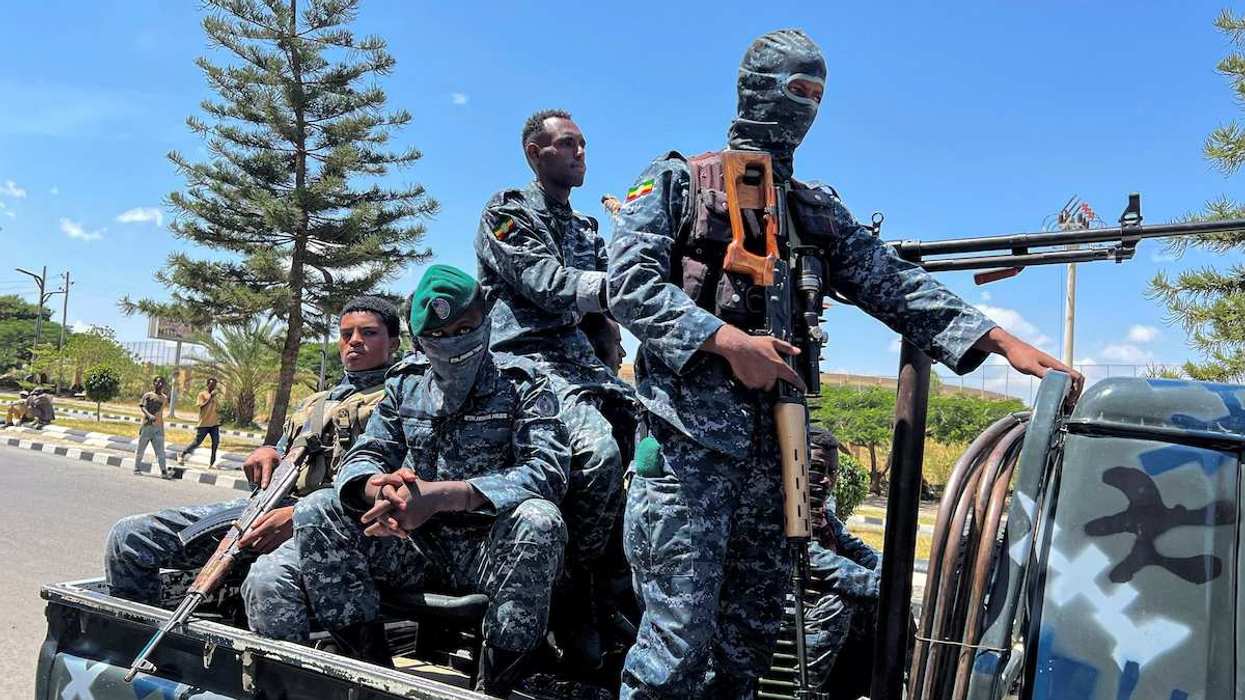
What's more, during his tenure, Moïse reinstated the army, which had been disbanded since 1995 following a military coup, putting several soldiers in top positions who had been sanctioned by the US government for human rights violations. Some observers fear that history could soon repeat itself if the once-dominant military (including the notorious Tonton Macoute goon squad under the Duvaliers) again comes to quash all dissent.
What do the Americans say? For decades, the US has played a dominant role in Haiti's internal affairs, with successive US administrations having backed various coup d'états, and spent billions of dollars on "nation-building," though things have remained stagnant.
The Biden administration, for its part, has called for fresh elections in Haiti in the near term, but it's unclear what "free and fair elections" would actually look like in a state dominated by brutal gangs and corrupt politicians — and where voter turnout is always low. (Moïse was elected with fewer than 600,000 votes in a country of 11 million people.) Indeed, Biden had mostly continued the Trump administration's policy of supporting Moïse, even after legal scholars said that his term should have expired in February 2021.
Looking ahead. Instability begets instability, and Haiti now appears to be in the midst of a complete social unravelling. It remains unclear who will — or can — step in to stop the bleeding.