Days after Hamas’ deadly terror attacks across southern Israel – in which militants murdered residents of border towns and music festival attendees, resulting in more than 900 deaths – Israel has launched a war against Hamas in the Gaza Strip.
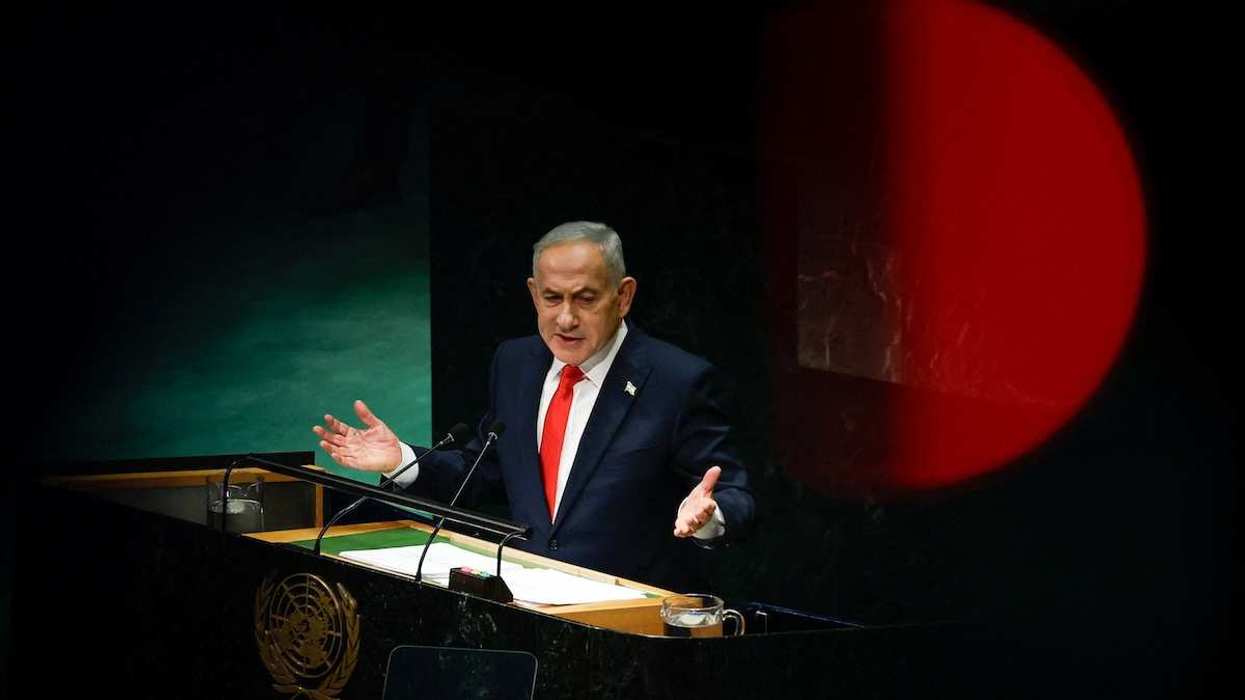
So far, the Israeli Air Force has begun intense bombardments from the air, but a ground operation is expected. Prime Minister Benjamin Netanyahu has reportedly told President Joe Biden that his government has no choice but to conduct a ground invasion to reinstate Israel’s deterrence capabilities, mobilizing 300,000 reservists.
What are the options facing Israel in the Strip as the war evolves? And what is currently the situation for Palestinians in the coastal enclave?
A different kind of operation. From Israel's perspective, there are no good options as it seeks retaliation for what Deborah Lipstadt, the US Special Envoy to Monitor and Combat Antisemitism, called the worst attack on Jews since the Holocaust.
Hamas, in an unprecedented move, has reportedly taken up to 100 Israelis hostage, including octogenarians, babies, and scores of women.
Some questions to consider: How does Israel make sure the hostages aren’t killed by its air raids? And how does the military reconcile two seemingly conflicting objectives – waging a full-blown assault that’ll wipe out Hamas for good and safeguarding the lives of dozens of civilian abductees stashed across Gaza? Is Israel willing to engage in an extensive operation even at the risk of harming Israeli hostages?
A Hamas spokesperson threatened on Monday to start executing the hostages if Israel’s bombardment of civilian homes continues.
One of Netanyahu’s far-right coalition partners, Finance Minister Bezalel Smotrich, has already said that hostages should not be considered when executing a response, a view wholly out of step with the vast majority of Israelis.
What’s more, while Israel says it has secured border communities from Hamas terrorists, it remains a challenge to keep the region free of infiltrators given that the barrier has been breached in many places.
Meanwhile, Gaza is home to more than 2 million Palestinians. Since Hamas, which is deemed a terror organization by the US and EU, violently seized power of the enclave in 2007, Gaza has been subject to blockades at the Kerem Shalom Border Crossing with Israel. Critics say this is a human rights violation while supporters say it aims to protect Israelis against the sort of terror attacks seen over the weekend.
Still, more than 80% of the Strip’s spotty electricity supply comes from Israel, along with much of its food supplies.
Crucially, Gaza has for the past decade also been subject to a full blockade on the Rafah Border Crossing, which connects the Strip to the Sinai Peninsula. Under the leadership of President Abdel-Fattah el-Sissi, a national security absolutist who abhors the Muslim Brotherhood, Hamas’ sister organization, Egypt has curbed imports through its crossing in response to Hamas building a network of tunnels used to coordinate jihadist training camps and attacks in the Sinai.
Israel, which on Monday said it would halt all food, fuel, and water shipments to the enclave, has said that no stone will be left unturned in cracking down on Hamas leadership and its military infrastructure.
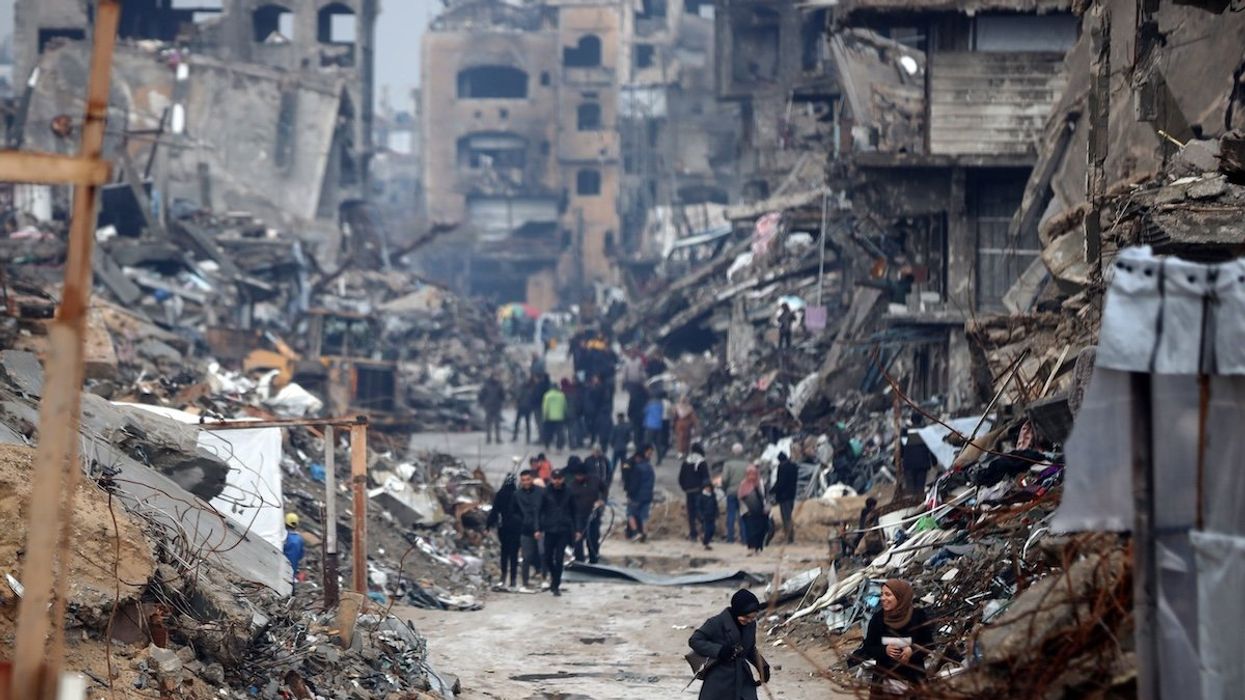
But in the densely populated Strip, roughly the size of Washington, DC, there’s little protection for civilians, and Hamas embeds itself in civilian areas to complicate reprisal efforts. As of this writing, the death toll in Gaza has passed 500, and around 70,000 Palestinians fled to shelters.
What happens now? “For the first time since Hamas’ takeover, the possibility of Israel going in and cleaning out Gaza [of Hamas] and potentially reoccupying the strip is on the table in a real way,” Neri Zilber, a policy advisor at the Israel Policy Forum, said at a briefing on Monday. “This won't be like previous rounds with Hamas in Gaza. There’s no going back.”
At the same briefing, Dr. Nimrod Novak, a former advisor to President Shimon Peres, said that Israel’s objective now “is to change the equation in Gaza for a very long time to come.” Given the scale of atrocities in recent days, he said, “what's happening now from the air is far less restricted in considering the humanitarian situation” than during previous escalations.
“The fact that Hamas has chosen to place itself amid civilian population will no longer serve as a deterrent,” he said.