The annual meeting of the International Monetary Fund normally gets little attention beyond economists and policy wonks. But this time all eyes were on the fate of Managing Director Kristalina Georgieva, widely praised for the IMF's swift action to avoid a pandemic-fueled global depression and recently caught in the latest crossfire between the US and China.
Georgieva finally kept her job after being confirmed by the IMF board late on Monday despite strong objections from the Americans and the Japanese, the Fund's two biggest shareholders. But what was all the fuss about?
The US and Japan reportedly wanted Georgieva out over allegations that when she was CEO at the World Bank, Georgieva intervened to paint China as more business-friendly in two flagship reports right at the time the Bank wanted to raise more capital from Beijing.
The wider IMF board, however, wanted her to stay. That included the Europeans — who see eye-to-eye with the managing director on many issues and believe Georgieva was being scapegoated due to anti-China sentiment in the US — as well as most developing countries, and of course China. Georgieva previously denied any wrongdoing.
Still, the scandal may cast a cloud of doubt over the IMF. The credibility of the Fund's business rankings — and potentially other key decisions — could take a hit if people came to believe that they were consistently rigged or affected by countries' contributions.
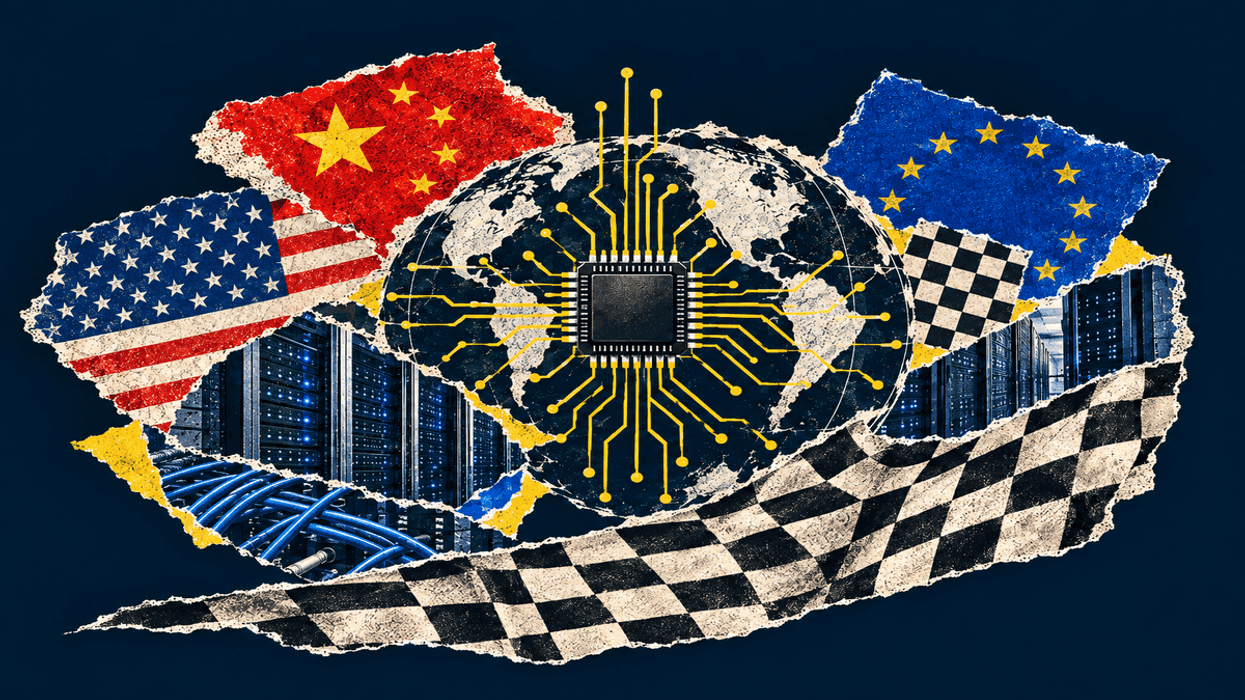
The IMF, whose main task is to keep the world safe from financial and monetary turmoil, has survived other internal crises, including the messy departure of two of its managing directors in the past 15 years. But the controversy surrounding Georgieva takes place in the wider context of China wanting a bigger seat at the table.
In recent years, China has tried to become a bigger player in global institutions as its economic and political clout have risen. But this ambition has been almost always met with strong pushback from the US (which has long dominated the same bodies, most of them established when China was poor and economically isolated).
Today's China is the world's second-largest economy, and already bigger than America's in terms of the purchasing power of its citizens. It's the top trading partner of more countries than the US. Yet, for all of its economic power, Beijing has only one-third of Washington's voting power — and no veto — at the IMF.
China has often cast itself as an alternative to IMF lending for highly-indebted countries that have nowhere else to turn and don't want political strings attached in parts of Africa, Asia, and Latin America. Now, though, Beijing would rather spend that money on managing the looming collapse of its real estate sector from too much borrowing.
Meanwhile, US-China squabbles are making it harder for other international institutions to be effective. The World Trade Organization hasn't been able to review appeals for its rulings since December 2019 because Washington has yet to allow the appointment of new judges to its dispute resolution body, which the Trump administration regarded as biased in favor of China.
In 2020, Donald Trump pulled the US out of the World Health Organization over claims that its China-backed boss had downplayed the severity of the initial COVID outbreak in Wuhan. Joe Biden immediately rejoined, but the Americans still believe the WHO gave the Chinese a pass on investigating the origins of the virus, and the probe has become so polarized we'll probably never know what actually happened.
The controversy comes at the worst possible time for the Fund. On Tuesday, the IMF is expected to lower its global economic growth forecast due to the uneven post-pandemic recovery in wealthy and developing nations, many of which took on extra IMF debt due to COVID. What's more, the last thing the Fund wants is for its impartiality to be questioned when it'll soon have to make very political calls on further lending to countries in financial distress, including those already deep in the red like Argentina or Tunisia.
Regardless, as the US and China continue to battle for influence within the IMF, expect the Fund to continue doing its job — and it has a lot of work to do.