Over the past 40 years, the economic gap between the world's richest and poorest countries and peoples has narrowed sharply. Goods, services, and people began to cross borders at greater velocity, creating opportunities for people to live healthier, more secure, and more prosperous lives. Billions rose out of poverty.
Here's the catch: all that beneficial economic activity has also sharply increased the use of fossil fuels and the amount of carbon that's reaching the atmosphere. Life on earth remains possible only because carbon dioxide in our atmosphere captures enough heat from the sun to sustain us while deflecting enough extra heat into space to keep us from burning up. That's the "natural greenhouse effect."
The fossil fuels we've been using to produce energy have upset a delicate atmospheric balance by pumping a lot more carbon dioxide into the atmosphere, which traps more heat near the earth's surface. Deforestation in some parts of the world adds to the problem, because trees absorb and store carbon dioxide. Higher temperatures melt Arctic and Antarctic ice, rising sea levels everywhere.
And as sea levels rise and extreme weather events become more common, poorer countries and people are the most vulnerable. In other words, climate change threatens to undo many of the gains of the past 40 years.
The poorer half of the world's people generate just 10 percent of the world's carbon emissions, but the UN has warned that poorer countries – which are more dependent on climate-vulnerable agriculture and generally have ricketier infrastructure – will bear 75 percent of the costs for paying for it: the costs of housing and feeding refugees driven from their homes by floods or famines, as well as rebuilding roads, bridges, and property damaged by more extreme weather.
The result will be a form of "climate apartheid," a term coined by Philip Alston, UN special rapporteur on extreme poverty and human rights. Some governments in wealthier countries will promise to help, but their taxpayers, aware of climate-related disasters in their own countries, will likely prove less willing to bear the burdens of new "bailouts" for foreign countries.
To understand the scale of this problem, take the example of Bangladesh. More than 45 million of Bangladesh's 161 million people now live in places already prone to flooding. Climate scientists warn that global warming will increase the frequency and severity of the storms that hit Bangladesh. Over the next generation, rising sea levels alone will force as many as 18 million Bangladeshis from their homes.
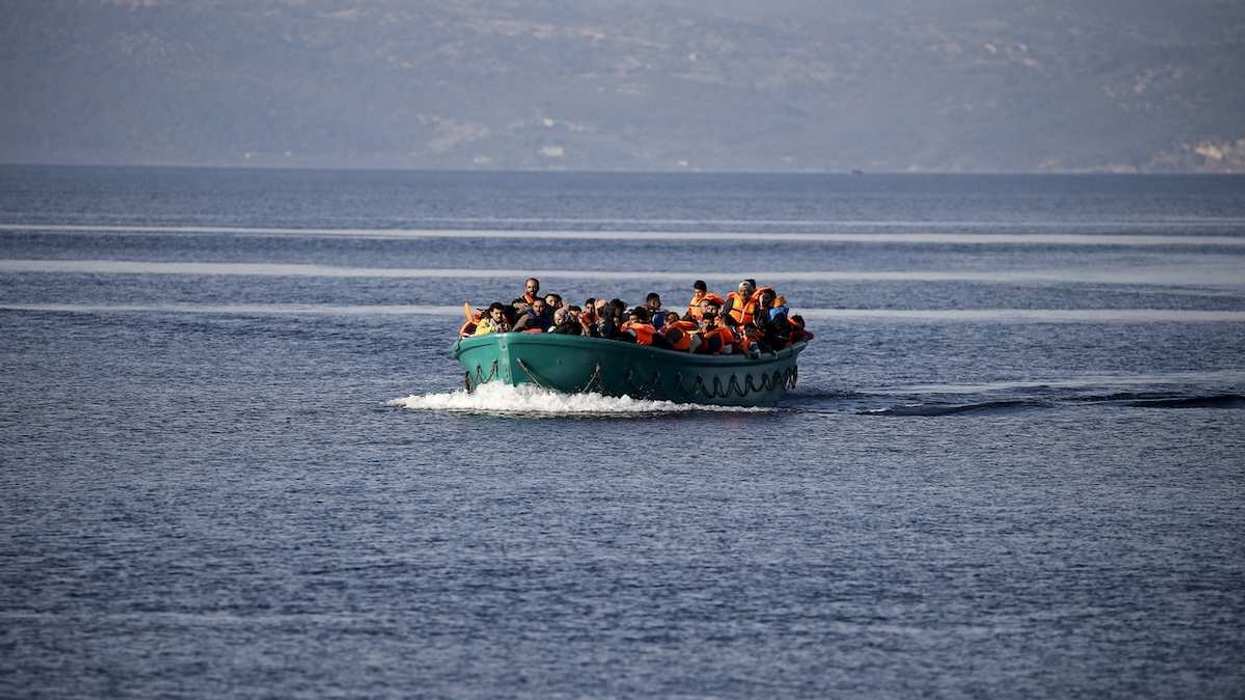
This catastrophe will be repeated in poorer countries in every region of the world. In some cases, people will be dislocated by flooding. In other cases, there will be droughts. These movements can have political consequences: failed crops in rural Syria a decade ago sent large numbers of people scrambling into cities, adding to the growing unrest in that country at the time. Droughts in Central America have pushed many people north toward the US border in search of better prospects.
Who will pay to meet these coming challenges? Where will these people go? How will they be greeted when they get there? Taxpayers in New York, London, Shanghai and other rich countries may not be interested in helping. International organizations can't shoulder the load alone. But because the world remains deeply interconnected, this isn't a problem only for the world's poorest people. It's a challenge for all of us.