Argentina's abortion debate: Argentina's Senate is set to vote on a landmark abortion bill that would allow elective abortions up to 14 weeks gestation, a major shift in the predominantly Catholic and socially conservative country. The abortion bill already passed the lower house of Congress (131 to 117 votes) because the center-left party of President Alberto Fernández, who backs the bill, holds a majority coalition. It's now waiting to be voted on in Argentina's upper house in what's expected to be a nail-biter, with several politicians remaining mum about how they intend to vote. Abortion is a flashpoint in Argentina, home to Pope Francis who has repudiated the bill, and if the law were to pass, the country would be one of just few Latin American countries to authorize elective abortions outside of cases of rape or if the mother's life is at risk. If there's a tie in the Senate — which some analysts anticipate — it will be up to Vice President Cristina Fernández de Kirchner, who has flip-flopped on the abortion issue during her long political career, to cast the deciding vote. Abortion rights activists, meanwhile, are fired up, hoping that if the bill passes in Argentina, the cultural effects could reverberate throughout the region.
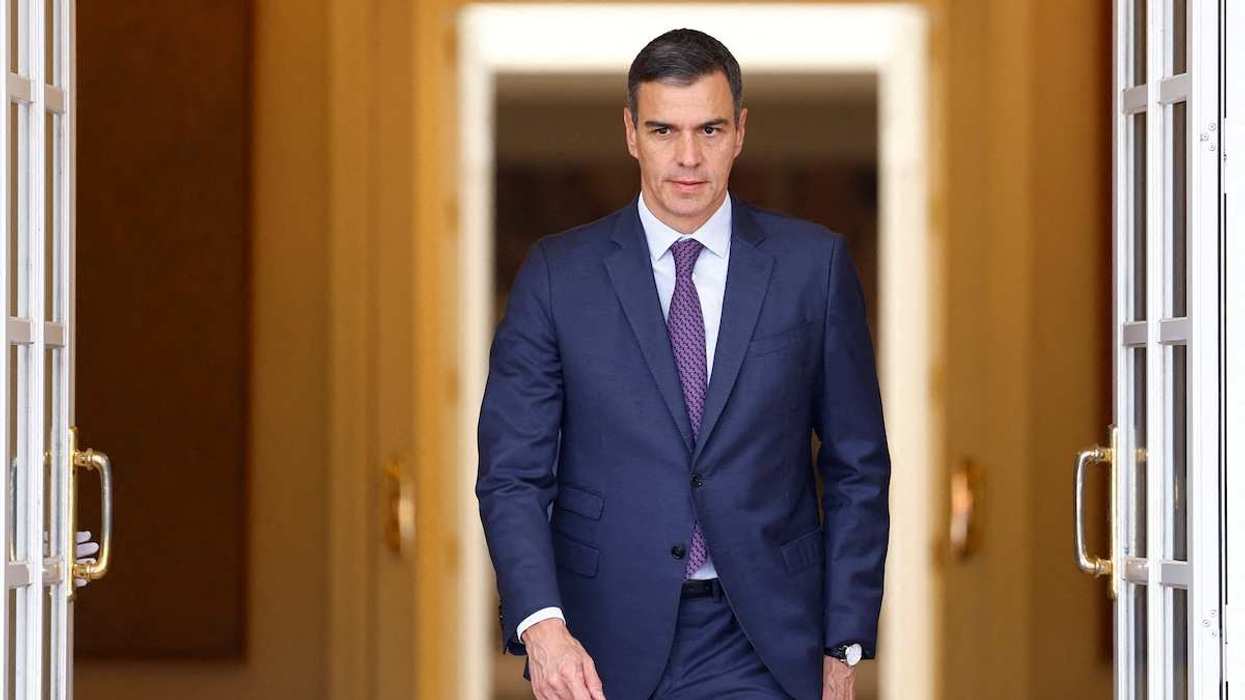
Spain's vaccine refusal database: Spain plans to register all people who turn down the opportunity to get a coronavirus vaccine when it is offered to them. The information won't be publicly disclosed nor shared with employers, but it will be sent to European Union health officials. The announcement came as a surprise for Brussels, which has yet to explain what it'll do with the data given the EU's robust data privacy laws, or whether it's open to a similar EU-wide database. Vaccination is not mandatory but strongly encouraged by authorities in Spain, which this week surpassed 50,000 COVID-19 deaths and has the world's second highest per capita mortality rate. As vaccines have just started being rolled out across the entire EU, we're watching to see whether other member states will set up their own vaccine refusal registries to not only deter skeptics but also provide more accurate information about how many people actually get inoculated.
Burkina Faso's security push: At his inauguration ceremony on Monday, Burkina Faso President Roch Marc Christian Kabore pledged to make security in the West African country a political priority amid ongoing jihadist violence that's caused more than 850,000 people to flee their homes in recent years. Kabore, who will now serve his second term, said he wants to instill "stability and security" to Burkina Faso, where swaths of the country have been taken over by jihadist groups. But it's not just vigilantes and terrorist groups (linked to Al-Qaeda and the Islamic State) that have wreaked havoc on the country of 21 million people in recent years: a New York Times expose published this past summer revealed that trigger-happy soldiers in Burkina Faso's army kill as many civilians as jihadists do (it doesn't help that the government has passed draconian legislation banning journalists from reporting on anything that could "demoralize" the armed forces). Burkina Faso, one of the poorest countries in the Sahel region, has been plagued by political corruption and human rights violations from the top down – and lacks the political and institutional strength to fend off a violent insurgency that spilled over from neighboring Mali in recent years, tormenting the entire Sahel.