French workers vs. Macron
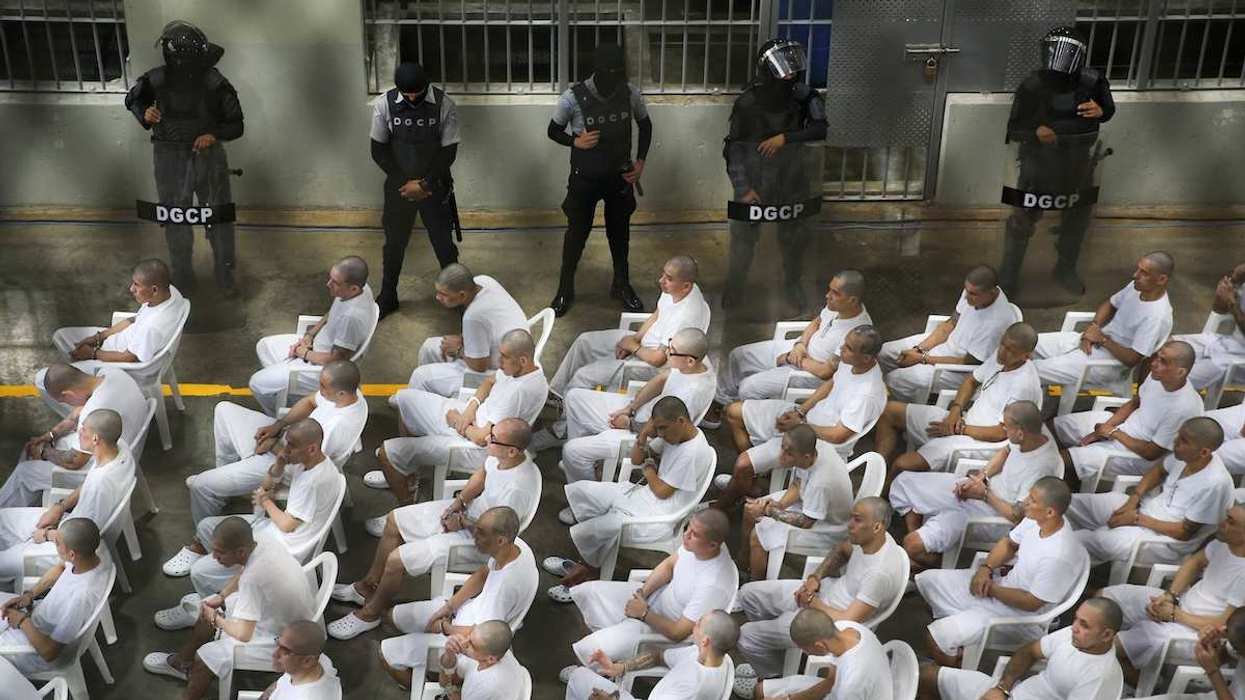
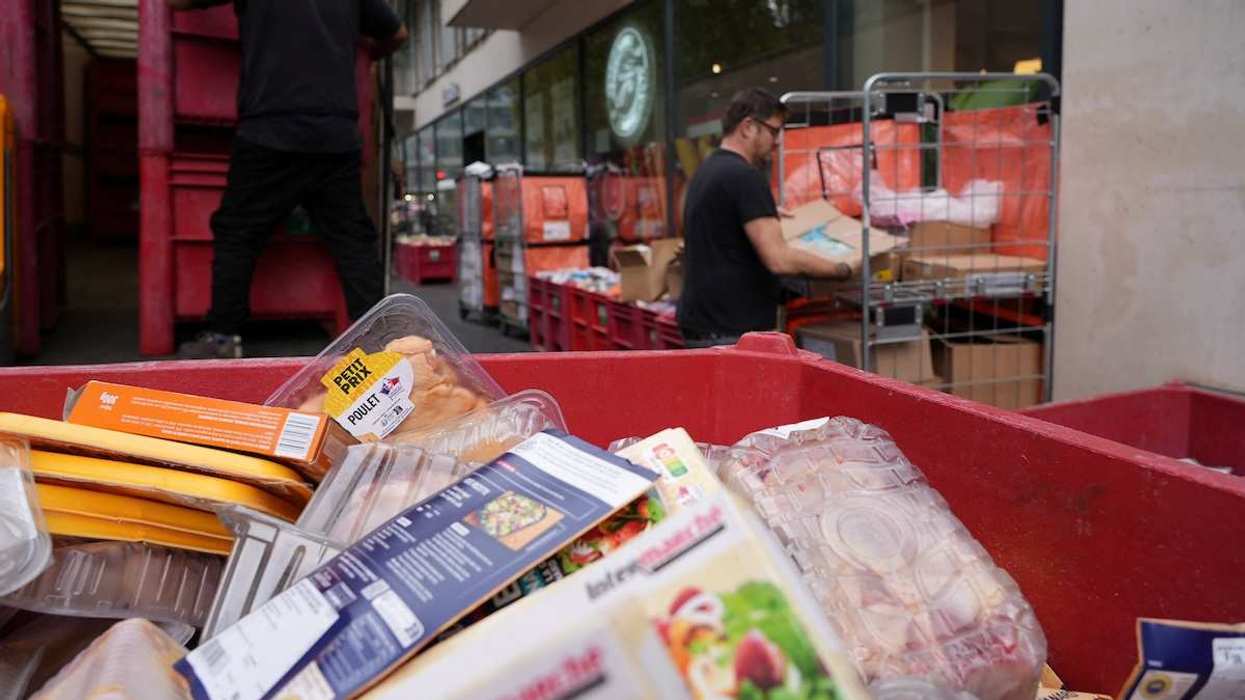
“Pas question!” (no way!) is what over a million striking French workers told President Emmanuel Macron on Tuesday as they tried to bring the country to a screeching halt over his controversial plan to raise the minimum retirement age from 62 to 64. In what was billed as the biggest strike to date against the pension reforms, protesters shut down schools, stopped transportation, and even blocked fuel deliveries. And they seem to have the people on their side – two-thirds of the French support their cause. But Macron has made the reform his No. 1 policy priority, seeing it as the only feasible way to ensure that the pension system stays solvent in a country with an aging population. And despite the pushback from the streets, Macron has the votes in parliament to ram through the changes. He’ll likely wait for the streets to die down a bit before he signs the reform bill – but sign it he will.
Nord Stream plot twist: Was it … Ukrainians?
It’s been five months since somebody blew up the Nord Stream gas pipelines linking Russia to Europe, and we still don’t know who did it. Was it Russia trying to freeze Europe into submission? Was it the US trying to isolate Russia? Or, was it, as Ian Bremmer theorized a few weeks ago, the Ukrainians trying to remove Russia’s leverage over Germany? Well, The New York Times on Tuesday reported that US officials have intelligence suggesting it was a “pro-Ukrainian group” – most likely including Ukrainian or Russian nationals – that had no official ties to the government of Volodymyr Zelensky. We’re watching to see where this latest plot twist leads, and whether the suspicion of Ukrainian involvement — official or not — affects both German and broader European unity in supporting Kyiv.
Check out Ian's response to yesterday's report here.
The centrist civil war
For years, public opinion polls have found that a majority of Americans want to see the emergence of a “third party” to challenge the two-party political dominance of Democrats and Republicans. A number of organizations have proposed, or offered themselves, as alternatives to the status quo. One is called “No Labels,” a “movement” of Democrats and Republicans who promise to look for bipartisan solutions to national problems. There is also “Third Way,” a self-described “national think tank that champions modern center-left ideas.” Third Way warned this week that a plan by No Labels to boost a “unity ticket” in the 2024 presidential election will take centrist votes away from Joe Biden and help re-elect Donald Trump, an outcome both groups say the nation must avoid. In other words, two groups that say they want to bridge the gap between the two parties are now arguing over which is more likely to elect the candidate they agree is too “extreme.” This is one more measure of the resilience of American polarization.
Trudeau probes Chinese meddling
Well, this is awkward. Canadian PM Justin Trudeau has appointed an independent investigator to assess allegations that the Chinese government interfered in Canada’s 2019 and 2021 elections … to help his party win. The reports are sketchy so far, and the interference was not so large that Beijing affected the electoral results. Still, Trudeau is in a tight spot. A fully transparent investigation could reveal details that are politically toxic to his government – particularly amid allegations that his office ignored reports of interference in 2019. But any evidence of soft-pedaling the probe could backfire in a similar way. For now, his government is projecting an air of total transparency in dealing with the story, but opposition leaders have already alleged a cover-up and are calling for a public hearing. Canada is hardly the only country concerned about alleged election meddling by China. Intelligence services in the US and Australia have voiced similar concerns, raising questions about how safe future elections will be.