Capping the price of Russian oil is harder than the West thought
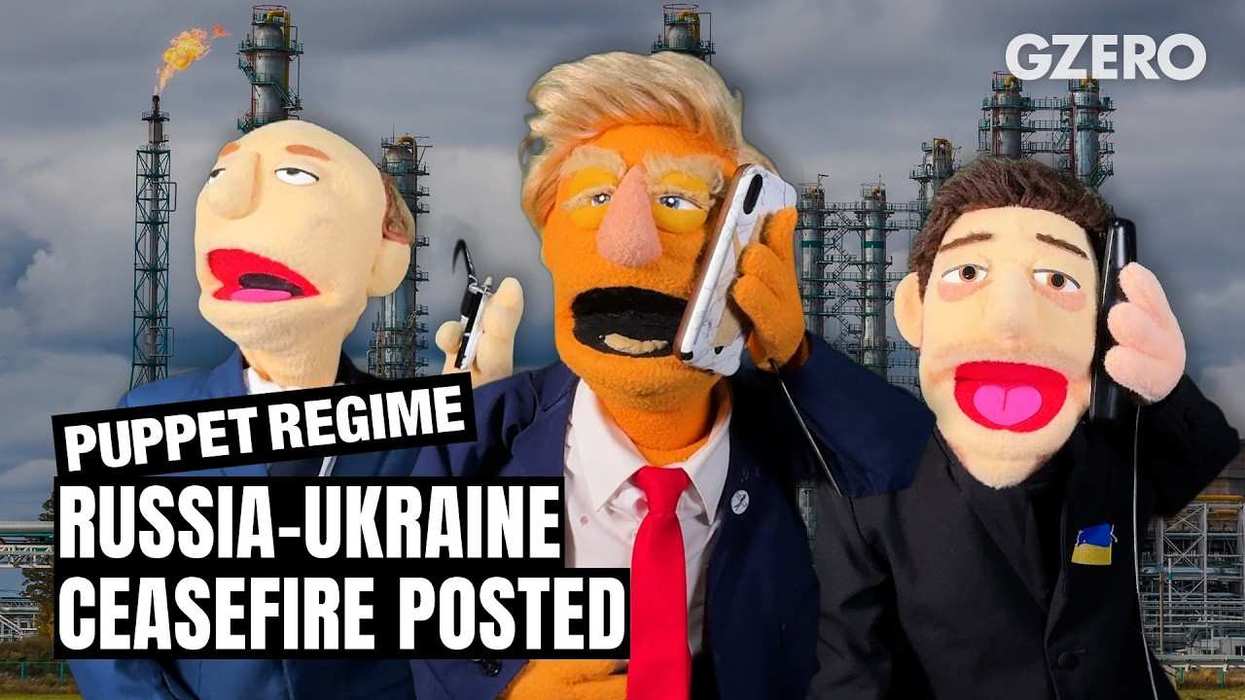
A long-awaited G-7 $60 per barrel price cap on Russian oil took effect Monday. Markets responded with skepticism: In early trading, the price for Brent crude, the global benchmark, went up slightly to $86 per barrel. Why? Three days after the sanctions scheme was announced, its weaknesses have started to show. First, Russia has outright refused to accept the cap and is mulling a response — perhaps refusing to sell any crude to countries that enforce the price ceiling. Second, Ukraine thinks the cap is too weak to seriously damage Russia's economy. Third, OPEC+, which includes Russia, says it's business as usual and that it's not changing its output levels. There are fundamental flaws to the measure. After all, it’s not really a price cap so much as a limitation on insurance and shipping firms, and it lets Russia continue to sell oil, just at a lower price. Also, most of Ukraine’s friends wanted it to be lower than $60, and big Asian buyers haven’t signed on. Meanwhile, two of Russia’s biggest customers, China and India, will continue to stock up on cheap Russian crude. So far, the price cap, imagined by Washington and executed by the G-7, seems somewhere between a bureaucratic irritant and a slap on the wrist for Moscow.
Is Iran really scrapping its morality police?
Appearing to respond to mass protests, an Iranian prosecutor — notably not a regime spokesman — said on Saturday that Iran is dismantling the country's notorious morality police. Demonstrations have rocked the country ever since a young woman detained by morality police for improperly wearing a headscarf died in custody in September. Does the announcement mean the police unit will really be abolished, or that the protesters can go home? Not so fast. Hardliners will certainly fight to retain the morality police, and while the strict dress codes will supposedly be reviewed, they are still very much on the books. It's unlikely that a theocracy like Iran is going to let women dress as they please. Still, commenting on dismantling the much-hated unit is a clear sign the regime knows it can't just dismiss the biggest uprising since the 1979 Islamic Revolution. What’s more, the chatter has emboldened the demonstrators to apply even more pressure — beginning with a fresh three-day strike on Monday. Will the mullahs respond by making more concessions or by cracking down further? Momentum against the regime is certainly building — so much so that Iranians celebrated their soccer team's World Cup loss to the US last week. For more on the soccer backlash, check out Ian Bremmer's interview with Iranian activist and journalist Masih Alinejad here.
*Correction: This Watching has been updated since our morning Signal newsletter.
This comes to you from the Signal newsletter team of GZERO Media. Sign up today.