On Tuesday, Spain's leftwing coalition government will pardon nine Catalan politicians jailed over their failed attempt to secede from the rest of the country less than four years ago. It's a huge gamble for Prime Minister Pedro Sánchez, who's fighting for his political survival against a majority of popular opinion, an opposition on the rise, the courts, and even part of the Catalan independence movement.
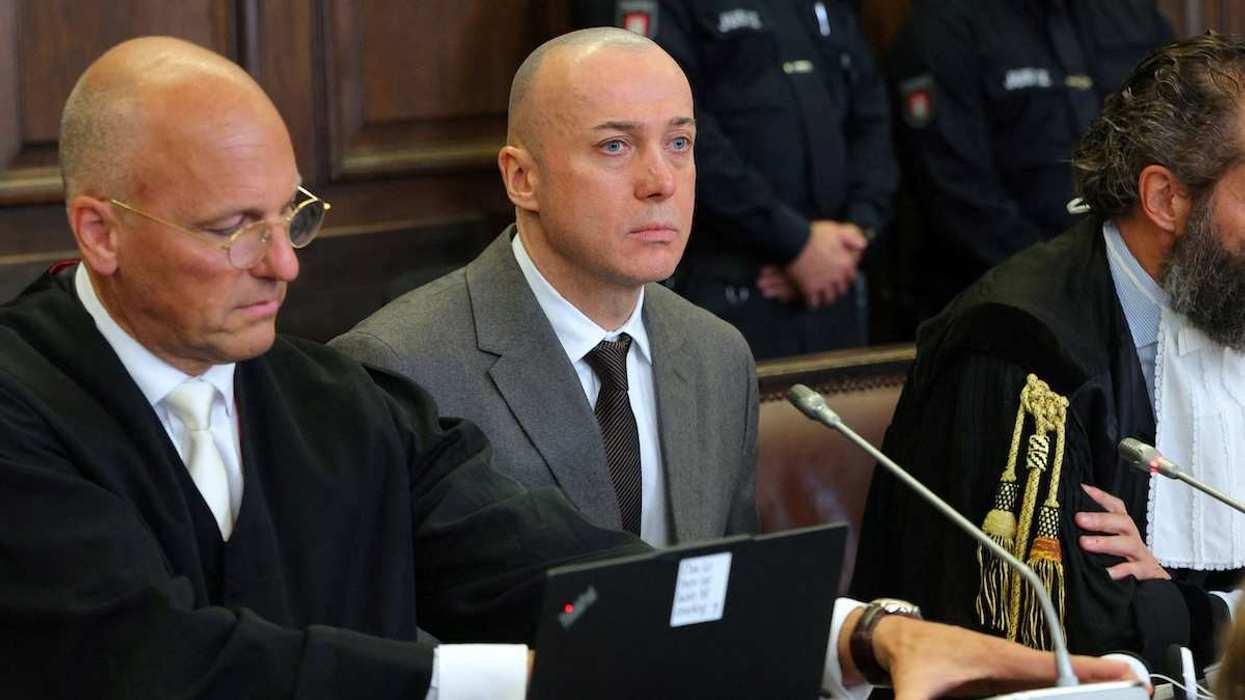
What's all the fuss about? The politicians were sentenced in December 2019 to lengthy prison terms for first organizing in October 2017 a referendum on independence, illegal under the Spanish constitution, and later unilaterally declaring independence. The national government responded to Catalonia's short-lived independence bid, which triggered Spain's most serious political crisis in decades, by (briefly) suspending the region's autonomy and arresting many of the separatist leaders.
Catalonia is a prosperous region in northeastern Spain with a long history of nationalist sentiment. Popular support for independence in Catalonia (source Spanish) has risen significantly since Spain's economic crisis in the early 2010s, but it remains just short of 50 percent. However, the country's political representation system — which favors nationalist parties — has allowed pro-independence coalitions to rule there for almost a decade, putting a lot of pressure on Madrid to allow them to vote on breaking away from Spain.
The PM knows the pardons are deeply unpopular. Just a week ago, tens of thousands of Spaniards who defend Spanish unity against Catalonia's dream of secession gathered in Madrid to protest the decision, calling out the PM for pandering to Catalan nationalists. Most Spaniards oppose granting clemency to those who attempted to break away from Spain: a recent survey found that more than 60 percent are against the move. (By contrast, roughly 70 percent of Catalans say it's the right thing to do.)
So, why is he doing this now? Sánchez, who needs the votes of Catalan nationalist parties in the Spanish parliament to stay in power, likely hopes the pardons can keep his already fragile coalition government intact long enough to get most of the population vaccinated against COVID and for the economy to rebound — thanks mainly to EU pandemic recovery funds — ahead of Spain's next general election in December 2023. He also hopes the Catalan "problem" might fade away as soon as Spaniards go on summer vacation.
But his critics know the pardons are hurting Sánchez. Since the government signaled its intention to grant the pardons, the ruling PSOE party — half of whose voters oppose them — has been slipping in the polls and losing ground to the PP, the main conservative opposition party. Both the PP and the far-right Vox party, which rose to prominence in the aftermath of the 2017 crisis because it advocates for a much tougher line on Catalonia, will surely gain more support if the current row over the pardons drags on.
Also, Spain's top court, which oversaw the months-long sedition trial, has unanimously rejected the pardons because the politicians have shown no remorse. Although that ruling is non-binding, the court's opinion will be cited in future legal challenges that could go all the way to the constitutional court, which will have the final say and could send the politicians back to prison.
What's more, the pardons are not enough for Catalan separatists. Pere Aragonès, the head of Catalonia's regional government, has welcomed the reprieves as a "first step" toward reconciliation. But he insists on an amnesty that would completely absolve the "political prisoners," as pro-independence Catalans refer to the jailed politicians, of all responsibility over actions that, in their opinion, were political in nature.
Meanwhile, more hardcore separatist leaders say they won't make any concessions until Madrid grants Catalans the right to decide their own future in a legal and binding plebiscite, similar to how the UK allowed Scots to vote on independence in 2014. One of them is the influential Carles Puigdemont, the former Catalan president and current MEP who fled Spain to avoid prosecution and now lives in Belgium.
Either way, it's a bold move for Sánchez, who faces an impossible choice. On the one hand, he's making an unpopular decision that could hurt him and the PSOE politically. On the other hand, his minority government cannot survive without parliamentary support from Catalan nationalist parties.
Looking ahead. Those who oppose the pardons fear they will only encourage pro-independence Catalan leaders to try again to secede in the near future. But Sánchez is playing the long game, and Catalan nationalists know they have a lot to lose with him out of office.