The Biden administration will soon ask artificial intelligence companies to comply with federal rules most commonly applied to banks and other financial services companies: know-your-customer, or KYC, rules.
What are they? KYCs help financial regulators ensure US banks aren’t being used for money laundering, terrorist financing, or enabling sanctioned people or organizations.
The US government has heavily regulated its financial system since the Great Depression, but it wasn’t until the Bank Secrecy Act of 1970 that the government began monitoring who was using banks for illicit purposes. The Patriot Act, passed in the aftermath of 9/11, expanded the BSA to require banks to develop more thorough customer identification programs. The president now wants to force AI companies to know their customers, too.
What is Biden proposing? On Jan. 29, the Commerce Department’s Bureau of Industry and Security proposed requiring US cloud services companies to start collecting information like a bank would. The goal, the department wrote in a press release, is to prevent foreign entities aiming “to harm US critical infrastructure or national security, including to train large artificial intelligence (AI) models.”
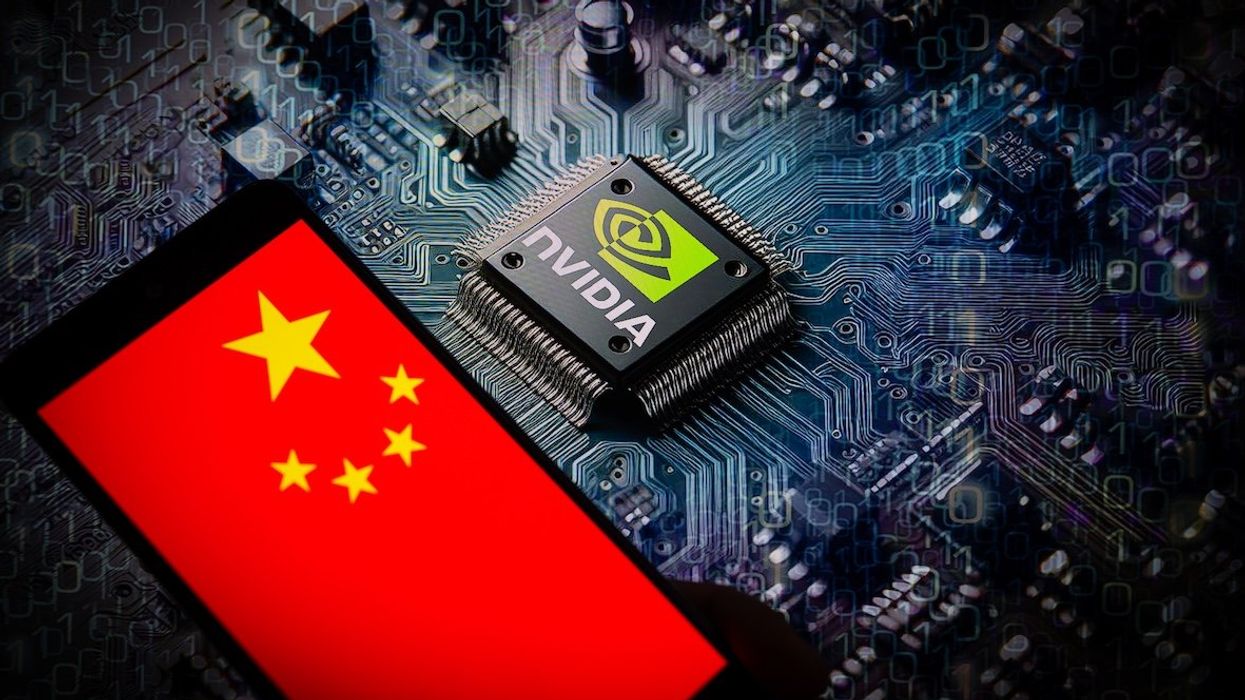
Why is this so unusual? The financial sector is heavily regulated; the tech sector less so. While the government has taken exceptional steps to regulate the export of computer chips needed to power and run AI software, it's more challenging to regulate software and cloud services because they are globally accessible via the internet. The proposed rule would shift the burden of regulation to the software and cloud providers themselves.
“It turns out that Russian cybercriminals and Chinese spies, you name it, use American cloud services for their cyber activities,” says James Andrew Lewis, senior vice president and director of the strategic technologies program at the Center for Strategic and International Studies.
The measures are also aimed at preventing foreign adversaries, namely China, from using AI to strengthen their military capabilities, but it’s a half-measure.
“The long-term [view] is that the Chinese will figure out a way around this,” Lewis says. “This buys us a few years, but it’s not a permanent solution.”