The 54th annual meeting of the World Economic Forum will begin in Davos, Switzerland, tomorrow, bringing together 2,800 of the world’s most powerful people, including 60 or so heads of state and government.
This year’s theme, as declared by Klaus Schwab, is to “rebuild trust” in a fractured world. The WEF founder was talking about trust in a more certain and optimistic future for people around the globe. But the forum has its own credibility issues that have led many to question whether it is a malign, even malevolent, institution.
On the left, it is pilloried as a gathering of billionaires who have plundered the world and destabilized democracies. In his book “Davos Man: How Billionaires Devoured the World,” New York Times economics correspondent Peter S. Goodman depicted a group of rootless, self-interested internationalists, whose wealth and power are so vast that they believe they are entitled to write the rules for the rest of us.
On the right, Schwab’s idea of a “Great Reset” after the pandemic, which promoted the idea of “stakeholder capitalism,” has been viewed with increasing hysteria. On Fox News, right-wing commentator Ned Ryun said the WEF wants to “create feudalism 2.0, in which we are serfs and they are the lords ruling over us. You’ll have nothing and be happy,” he said, riffing off an essay written by Danish politician Ida Auken for the WEF in 2016, in which she suggested the forum has a goal of limiting ownership of private property.
Davos Man – the perception is that the summit is overwhelmingly attended by men over age 50 – needs a makeover, and the forum could do worse than point to its own history as a constructive force for peace and stability.
In 1988, Greece and Turkey were pulled back from the brink of war to sign the Davos Declaration; in 1989, North and South Korea held their first ministerial meeting in the Swiss Alps, while East German Prime Minister Hans Modrow and West German Chancellor Helmut Kohl met to discuss reunification. In 1992, F.W. de Klerk and Nelson Mandela came together in Davos for the first time outside of South Africa, a visit Mandela later said changed his perception of the world.
The world is in dire need of more exchanges like that – more truth and reconciliation.
Before this year’s meeting, the WEF released its latest Global Risk Perception Study (more on this later). Spoiler alert: The outlook for the world is negative and is expected to get worse over the next decade. Two-thirds of the respondents to the study predict a multipolar world will dominate global affairs over the next 10 years, as the great powers set and enforce, but also contest, rules and norms.
But this is Davos’ secret sauce: Everyone is there (except the Russians, who were not invited). Attendees share meals and build personal relationships. Those behind-the-scenes conversations go unseen by the public but can pave the way for future compromises and agreements.
The formal themes of the forum revolve around four pillars: security and cooperation; growth and jobs; artificial intelligence; and, longer-term strategies for climate change.
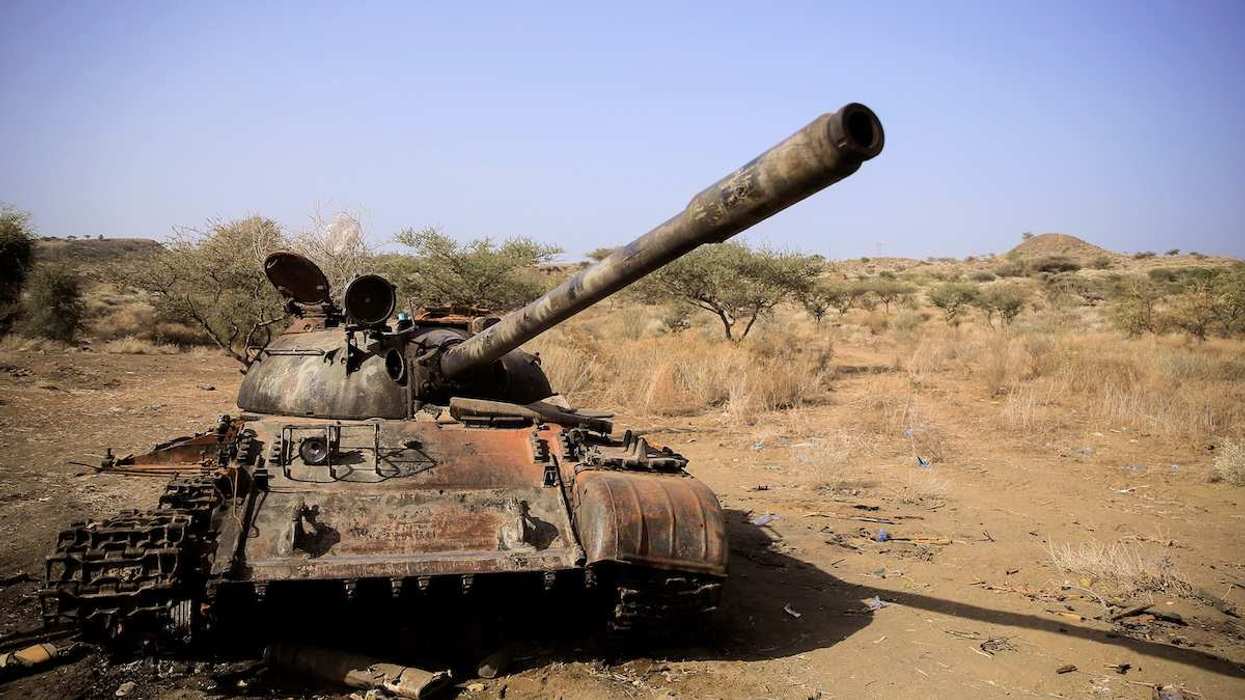
But WEF President Børge Brende, a former Norwegian foreign minister, was clear that much of the focus will be on high-level diplomatic talks on wars in the Middle East, Ukraine, and Africa.
“We will make sure we bring together the right people … to see how we can solve this very challenging world,” he said.
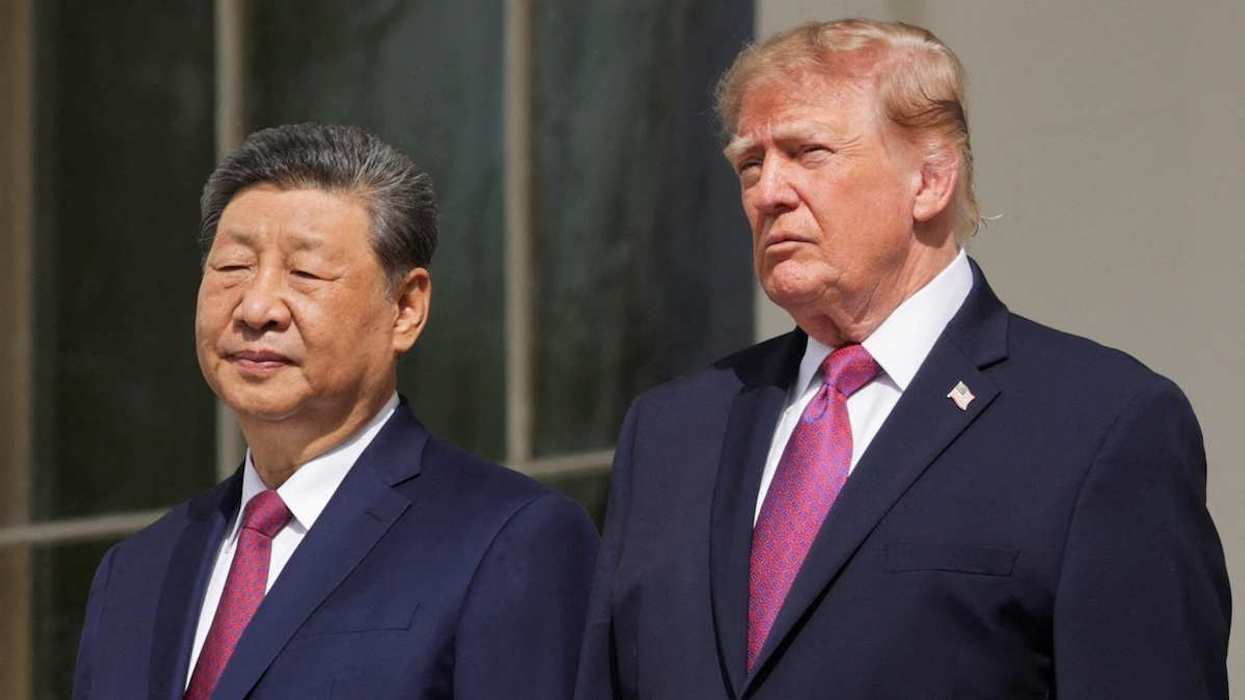
This year, the Chinese are back with their biggest delegation since Xi Jinping addressed the forum in 2017, when he portrayed China as a responsible nation and a leader on environmental causes. Premier Li Qiang will lead a large delegation of government officials to send the message that China is open for business. (See Watching below).
Liming Chen, the WEF’s Greater China chairman, wrote in the China Daily this week that Davos acts as a window for Beijing to understand the world and the world to understand China.
US Secretary of State Antony Blinken and National Security Advisor Jake Sullivan will take part in talks on Gaza with Qatar, the United Arab Emirates, and Israeli President Isaac Herzog.
Other attendees will be French President Emmanuel Macron; European Commission President Ursula von der Leyen; and Ukrainian President Volodymyr Zelensky, who has invited representatives from more than 100 countries to a meeting on Sunday to increase support for Ukraine’s peace proposal.
In a world where transnational risks are increasing and global cooperation is eroding, Davos’ blend of bankers and businesspeople; journalists and academics; politicians and royalty (British princesses Beatrice and Eugenie are listed as delegates) is unique.
Follow this newsletter over the next couple of weeks and we’ll tell you how it unfolds.