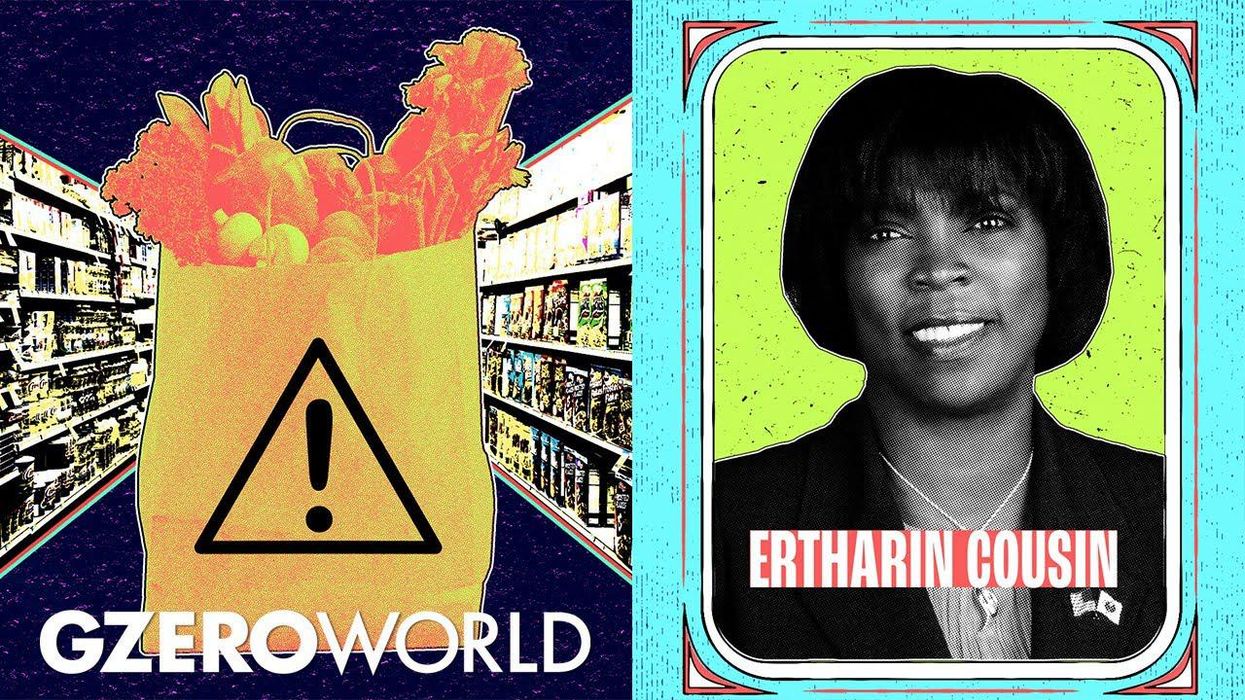
How Russia's war is starving the world: food expert Ertharin Cousin
May 01, 2022
Global Stage LIVE from United Nations WATCH REPLAY
Highlights from the GZERO World with Ian Bremmer weekly television show.
And it's not just that the prices of things like corn or wheat have doubled. Transport costs are up because gas is more expensive, while supplies of fertilizer are down for the same reason.
Who's most at risk? Developing countries that rely on those imports. The disruptions could double the number of people that went hungry due to the pandemic. Everyone will be affected because we're talking about global commodities, and the worst might be yet to come since agriculture is a seasonal business.
”This is a long, much longer-term potential food challenge,” Cousin says.
The conflict, she says, has put the international community in a tough spot. Sanctions will cause hunger, but otherwise, Russia will continue to profit from selling food to the world. And there's a growing divide between the West and non-aligned developing countries that can't afford to not import Russian food.
Conflict-affected nations are the most vulnerable, but many low-income nations will also struggle because they can't afford subsidies to feed their people.
"As a result," Cousin explains, "you'd have more people slipping into a position where food is maybe available, but inaccessible because they cannot afford it."
Cousin tells Bremmer the West should "move beyond platitudes" and offer developing countries financial support to deal with the food crisis because now with China, "we need to realize we're not the only game in town."
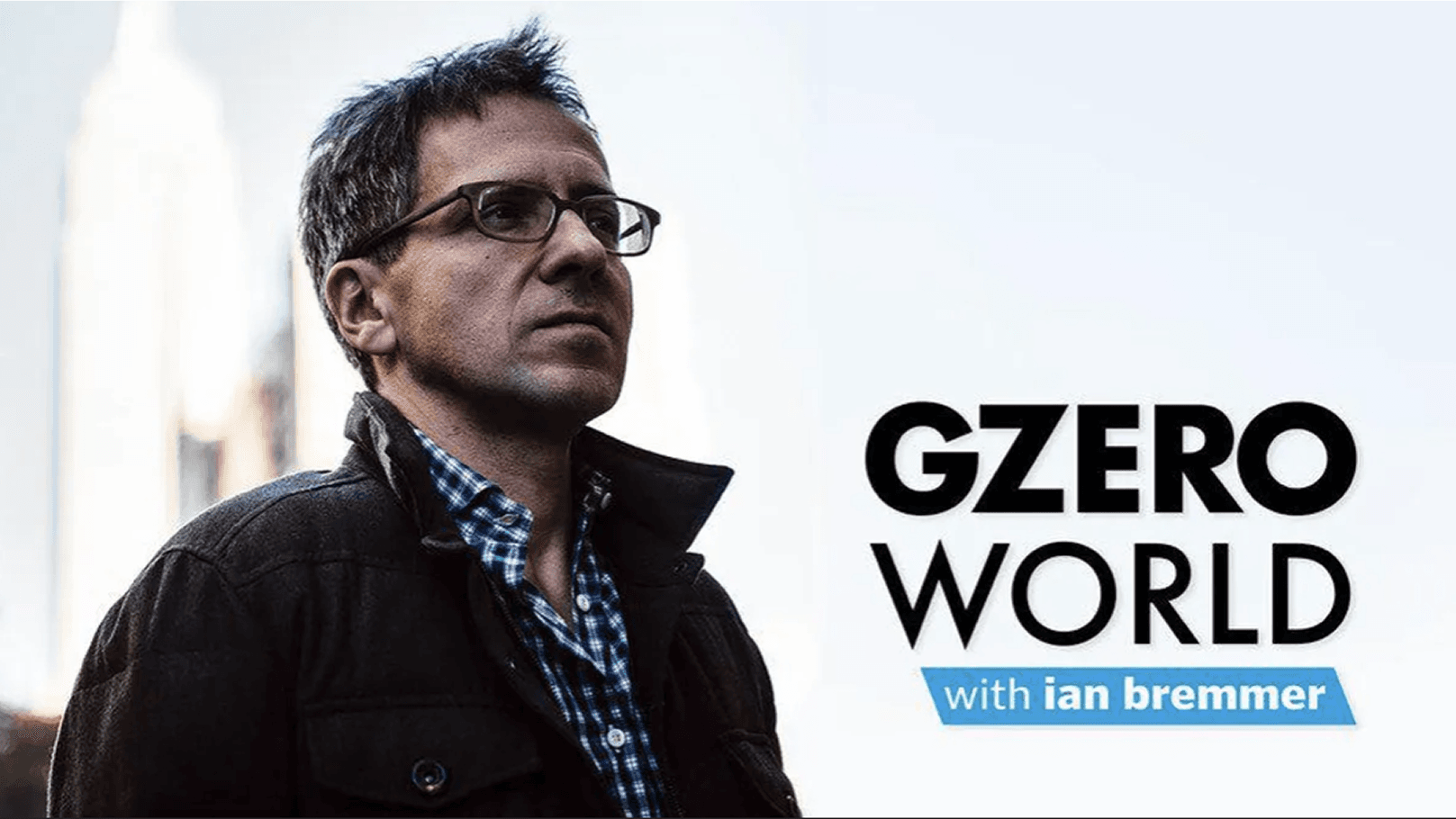
Every week on GZERO World with Ian Bremmer, Ian explains the key global stories of the moment, sits down for an in-depth conversation with the newsmakers and thought leaders shaping our world.
Watch GZERO World on US public television and on GZERO's YouTube channel. GZERO WORLD with Ian Bremmer is a local public television program presented by THIRTEEN PBS.
Funding for GZERO World is provided by:



Keep up with what’s going on around the world - and why it matters.