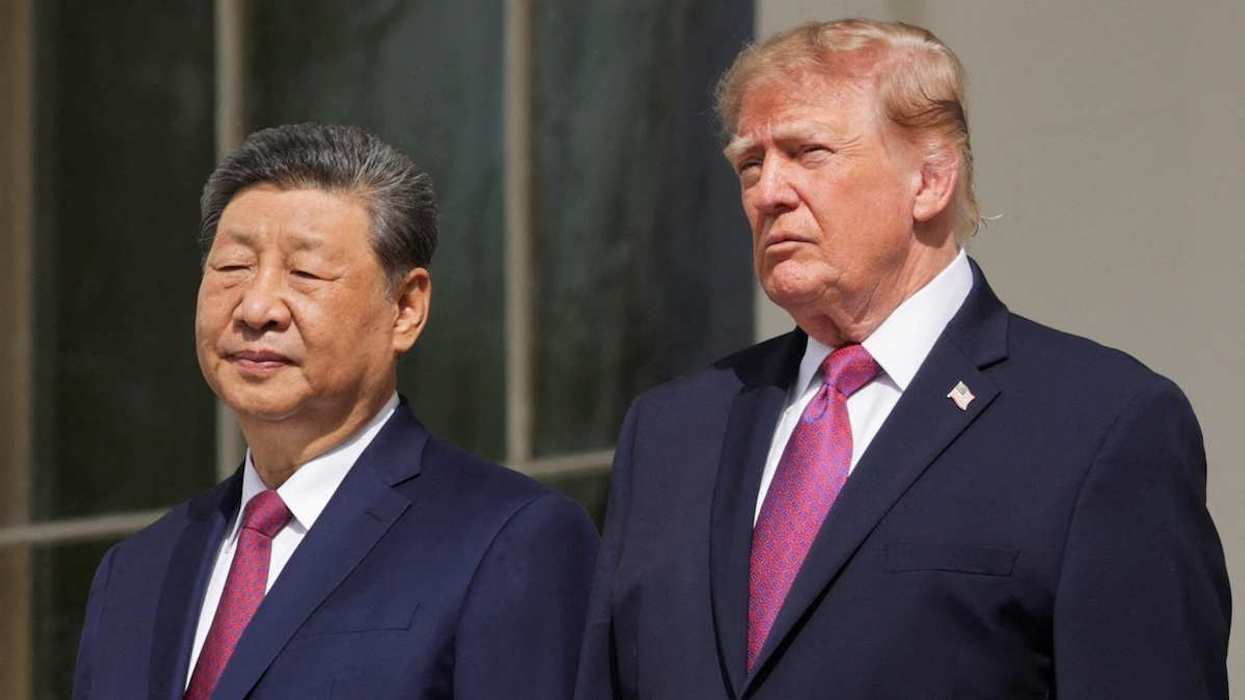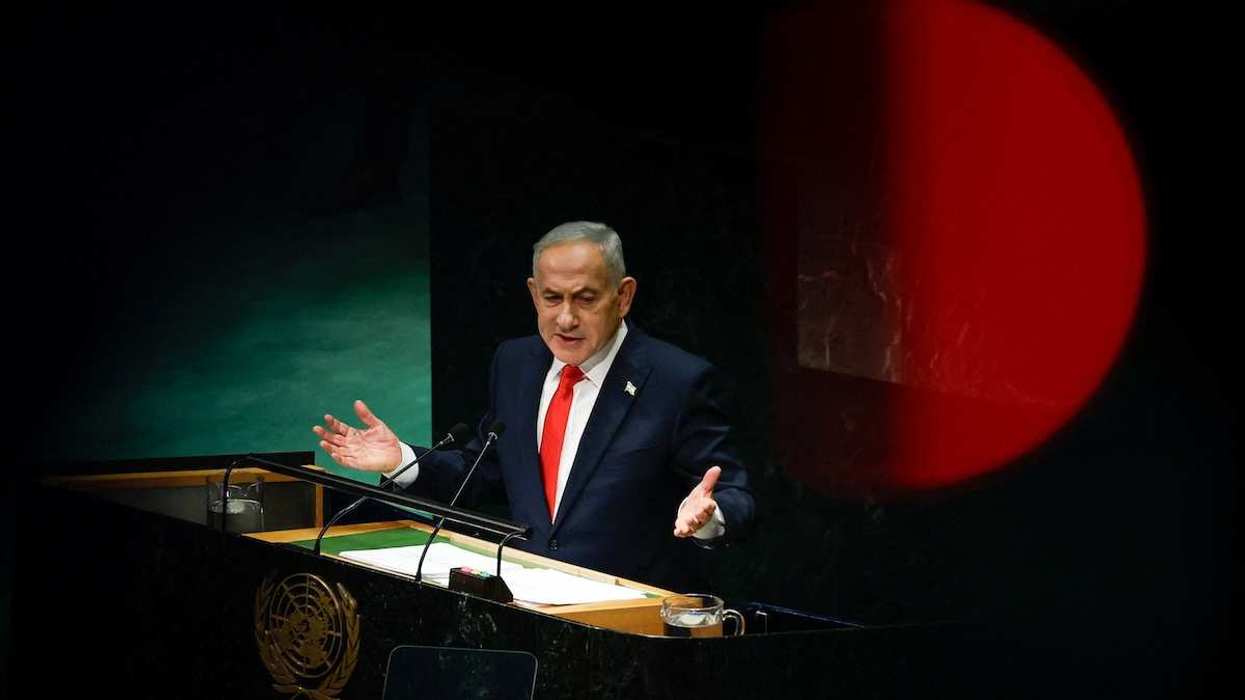
With world leaders descending upon Brazil this week for the annual G20 summit, the specter of Donald Trump’s return looms all around. The summit, along with this month’s COP29 climate summit, bookend the Biden interregnum - a period that opened with a deadly global pandemic and saw the start of two wars.
As we now know, foreign policy did not determine the 2024 election outcome. The pivotal question voters wrestled with was the one Trump put to them: “Are you better off now than you were four years ago?” A majority of voters across the electoral map answered this question in the negative. Despite the hyper-polarized political moment, and all the fault lines in US politics – gender, generational, racial, party identification – it was the economic one that proved most salient.
Yet, when Trump is inaugurated in January, he will take the helm of the United States at a moment of vast geopolitical uncertainty. By Trump’s own assessment, the world is on the brink of World War III. In an interview earlier this year, Yuval Noah Hariri suggested that WWIII may have already started with Russia’s invasion of Ukraine, and “we just don’t know it yet.” Certainly, reports of North Korean troop deployment to the Russia-Ukraine war theater do little to assuage these fears. Nor does US President Joe Biden’s late-in-the-game policy shift this weekend to allow Ukraine to deploy US-provided, long-range missiles to strike inside Russian territory.
Since his resolute victory two weeks ago, Trump has made quick work assembling the team he wants around him for the challenges ahead. It is a team of loyalists and Trump-world insiders (many Washington outsiders) tasked with preventing World War III, restoring peace in Europe and the Middle East, and putting the world together again.
With his cabinet and leadership selections, Trump makes clear that direction will come from the very top. Appointees will be expected to execute the president’s agenda. The pick of veteran and television host Pete Hegseth to lead the Department of Defense is perhaps the clearest indicator of the model to come.
With Europe deeply on edge about whether the US will remain steadfastly committed to the North Atlantic Treaty Organization, Ukraine, and Europe’s common defense, Hegseth’s bureaucratic inexperience offers little clarity or comfort. Known more for his television work and pardon advocacy than any particular security policy position, Hegseth’s promotion to American dignitary has left Europe scratching its collective head. It signals to European leaders that Trump’s transactional, unpredictable approach will dictate the next four years.
Elsewhere, in the Indo-Pacific, a giant question mark hangs over how the second Trump administration plans to engage with a host of partnerships and plans initiated by Biden. Outgoing Defense Secretary Lloyd Austin met with his counterparts in Australia and Japan this weekend for a Trilateral Defense Ministers’ Meeting. In a joint statement following the session, the leaders affirmed the longevity and enduring commitment of the partnership.
With the US-China relationship the essential quandary of our times, will Hegseth (and Trump) remain committed to these relationships? What happens to AUKUS, the trilateral partnership between Australia, the United Kingdom, and the US that’s viewed by Australians as so critical to their security? What about the Quadrilateral Security Dialogue with members of the same group plus India? Each of these pillars is viewed by Biden as foundational for the region’s geopolitics, and yet incoming Trump personnel have provided scant details of their plans.
While much is being made of Trump’s flashier picks – Elon Musk and Vivek Ramaswamy to lead a newly formed Department of Government Efficiency – it is the repeat performers who telegraph Trump’s policy priorities. As he said every day on the campaign trail, these are immigration, trade, and the economy.
The return of former Immigration and Customs Enforcement Director Thomas Homan, now as “border czar,” coupled with Stephen Miller as Trump’s deputy chief of staff, confirm Trump 2.0 will be ideologically tough and swift-acting on immigration. Trump implemented 472 executive orders on immigration during his first term. Homan and Miller will be hard at work over the next few months readying actions for Trump’s signature on his first day back in the Oval Office.
On trade, everyone overseas is on pins and needles over Trump’s tariff threats. European political leaders and business executives are kept up at night worrying over whether Trump will seek to impose a universal tariff of 10-20% on imported goods, and, if so, under what authority. Against this backdrop, the reported return of former US Trade Representative Robert Lighthizer to an expanded “trade czar” role is being closely watched. Both Section 301 of the Trade Act of 1974 and the International Emergency Economic Powers Act will be relevant channels for Trump’s tariff ambitions. Having Lighthizer by his side provides the president with a dedicated co-pilot.
Finally, that Trump has seemingly taken the most time to land on his picks to lead the Treasury and Commerce departments is unsurprising. Trump’s election, his mandate, and his plans both at home and abroad in his next term each depend on his administration’s ability to execute its economic vision. Trump’s tax extensions, corporate tax cuts, and economic tools of national security like tariffs and sanctions, must also take action on the pivotal question Trump asked voters in November – they must feel better in four years than they do today.
The pace of Trump’s appointment decisions is evidence that he is ready to get to work. The sooner he can roll back Biden’s initiatives and implement the policies he has been discussing again and again over the last four years, the sooner he can remake the US and America’s role in the world in his image.