Almost exactly a year ago, as the first anniversary of Vladimir Putin’s revanchist rampage into Ukraine approached, US President Joe Biden solemnly pledged to back Kyiv “as long as it takes.” Zelensky thanked him, saying “our common goal is victory.”
But the hole at the center of the kalach here has always been this: What does victory mean? In February 2022, merely surviving an onslaught by the world’s fifth-largest army was a major triumph itself. Then, as Western support cautiously expanded and Ukraine began to liberate more of its brutalized territory, the definition of victory grew apace: All of the Donbas. Crimea. Maybe even – “for God’s sake” – knock Putin out of power.
But now, after nearly two years and more than $100 billion in Western backing, grand ambition has given way to grinding stalemate. In 2024, the hard truth for Ukraine is that not losing is the new winning.
Let’s take a look at how things have gone over the past year. Notwithstanding the grit and bravery of Ukraine’s army, Kyiv’s highly anticipated counteroffensive failed to impress. Dug into trenches across the Donbas, Russia still occupies a fifth of Ukraine’s territory. While both sides ramp up their air war against each other, the trench lines in the steppe aren’t moving.
Putin, meanwhile, has dragged Russia onto a clumsy but brutally effective war footing that taps into its natural advantages in arms production and cannon fodd– I mean, manpower. Ukraine, by contrast, is struggling to keep its own ranks fresh. Zelensky is even weighing the wisdom (and legality) of a general draft – but to what end? Kyiv’s top general has already warned that without a major upgrade in Western support, his men can’t make progress.
And that support itself is evaporating. The online harvest of sunflower emojis is wilting fast as Western public opinion shifts elsewhere – to Gaza, to inflation, to culture wars, to elections. The Great Hungarian Holdout is hamstringing further EU aid to Kyiv, and US Republicans are doing the same: They have shrewdly assessed that in 2024, securing America’s borders may be more important to US voters than restoring Ukraine’s.
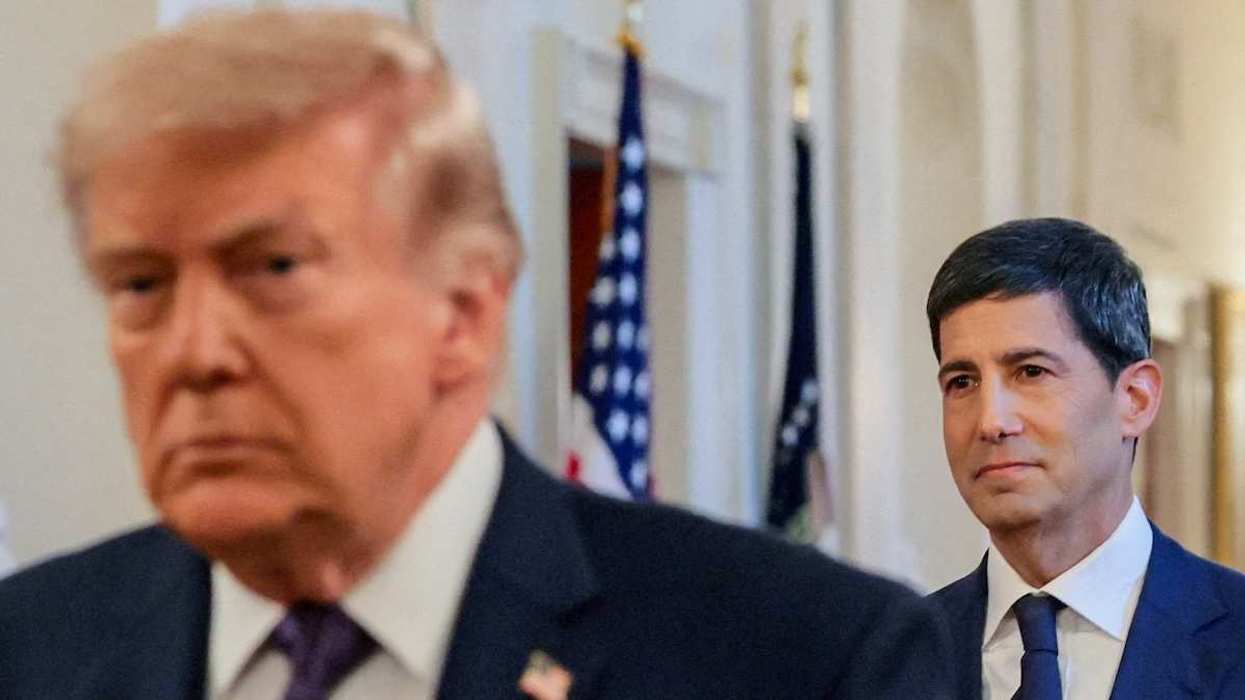
Looming over all of this, of course, is what happens in the US election, where Joe Biden is so unpopular – with 39% approval, the lowest of any modern president at this point in a first term – that he’s neck and neck in the polls with a guy who has been indicted 91 times, impeached twice, and who told half of America to “rot in hell” for Christmas.
For the aging and unpopular Biden, nosing out a victory against Putinophile-in-Chief Trump would itself be a kind of winning that looks a lot more like merely not losing.
Against this backdrop, US and EU officials are already said to be signaling, sotto voce, that their new aim is merely to bolster Ukraine’s defenses to help its negotiating position, rather than “win” the war. Not losing is the new winning.
The reality, for Kyiv, is that things can probably only get worse from here, not better. Some kind of negotiated cease-fire along lines that look a lot like today’s front lines feels almost inevitable this year.
Some people will naturally see that as a victory for Putin. A reward for needlessly smashing a neighbor out of pure post-imperial spite. Perhaps, but if six-figure casualties, an economy dramatically more isolated from the West and indentured to the East, and a NATO larger and more united than ever before are what constitutes “winning,” then that’s a kind of victory that would make Pyrrhus himself cringe.
The trick for Zelensky – and the former actor’s hardest political role yet – will be to convince his own people, particularly the more nationalistic-minded among them, that not losing more than a fifth of the country is actually, in the grander scheme of things, winning.
The task for Zelensky’s Western friends, meanwhile, will be to make it clear that this grander scheme of things involves a way for the remaining 80% of Ukraine to join Western blocs that will keep its people, and its land, safer from future Russian revanchism.
In other words, after two years of war, the earlier and more extravagant visions of “victory” are almost surefire losers. What’s it going to take for Ukraine to win? Not losing is a good enough place to start.
Written by Alex Kliment, a regular writer and editor of the Daily, He also directs Puppet Regime, GZERO’s award-winning political satire puppet series, and is a contributing correspondent to our nationally syndicated TV program "GZERO World with Ian Bremmer."