HTS appoints PM for Syria’s transitional government
The Shura Council of Hayat Tahrir al-Sham, or HTS, has appointed Mohammed al-Bashir as interim prime minister of its proposed 18-month transitional government of Syria.
Who is Mohammed Bashir? Born in 1983 in a village in Jabal Zawiya, an area of Idlib province, Bashir graduated from Aleppo University in 2007 with a bachelor's in electrical engineering, and from Idlib University with a degree in Sharia and Law in 2021. He also worked as an engineer for a gas plant affiliated with the Syrian Gas Company. Bashir is proficient in English and has been conducting press conferences for the SSE for the past year, as well as speaking with the media during the recent HTS campaign. It is not known if he is a hardliner or more moderate in his views.
What were Bashir’s previous roles with HTS? Bashir served for a year as head of the HTS-linked Syrian Salvation Government, or SSG, in Idlib in northwestern Syria, as well as Minister of Development and Humanitarian Affairs for the SSG under his predecessor there, Ali Keda. Before that, he was the director of Islamic Education at the SSG’s Ministry of Awqaf for two and a half years. According to his SSG profile, in Idlib Bashir focused on modernizing government processes using technology, encouraging investment, strengthening the economy, and “meeting the humanitarian needs” of displaced persons.
Concern for the Kurds
Will Syria’s Kurdish minority face renewed persecution – and possibly lose its autonomy - under an HTS government? While many cheer the ouster of Bashar Assad, there is concern about how they will be treated under the new Turkish-backed regime.
Who are the Kurds? Syria’s 2.5 million Kurds, primarily Sunni Muslims, comprise about 15% of Syria’s population. A third live in the Taurus Mountains near Aleppo, another third along the Turkish border in the Jazirah, around 10% near Jarabulus northeast of Aleppo with the remainder residing on the outskirts of Damascus. The Kurds were nomadic until the end of the Ottoman Empire when their population was divided across several nation-states. The Syrian government began stripping the Kurds of their Syrian nationality in 1962 and has conducted a systematic campaign of ethnic cleansing designed to erase their culture and identity.
In neighboring Turkey, Kurds comprise about 18% of the population and have been severely oppressed by successive governments, including the current administration of President Recep Tayyip Erdoğan. Armed resistance by the Kurdistan Workers’ Party has resulted in over 40,000 deaths since the 1980s.
What is the Kurds’ geopolitical significance? The US supported the Kurds – and relied on them – in its fight against the Islamic State in the 2010s, and according to senior government officials, will continue to do so under the new regime. However, since the defeat of ISIS in 2019, the diminished US presence left many Kurds at the mercy of Turkish troops. Now, Turkey has announced that it will be reopening its border with Syria, to facilitate the return of Syrian refugees. An estimated 3 million refugees are currently living in Turkey – and facilitating their return could also provide an opportunity for Erdogan to eliminate the Kurdish presence on the border.
Israel’s buffer raises Egypt’s ire
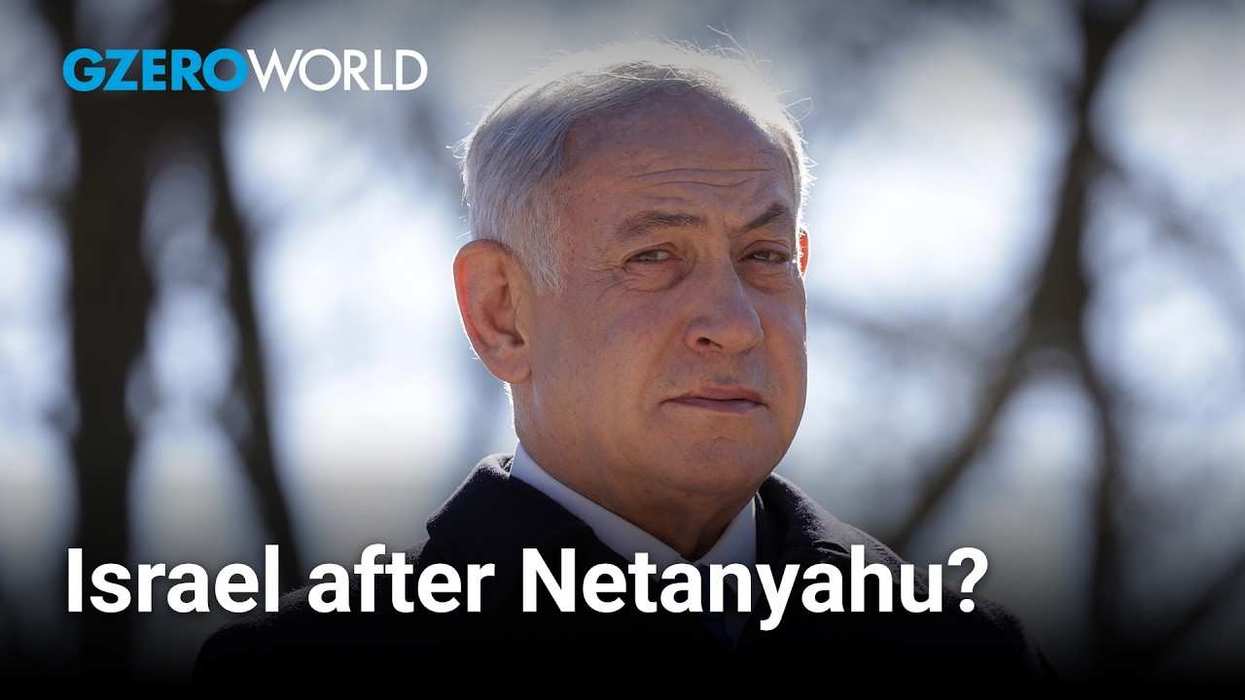
On Sunday, Israel seized Syrian land near the Golan Heights, citing security concerns as Assad’s forces vacate the area and the new HTS government takes shape. Israel claims that its 1974 Separation of Forces Agreement with Syria is no longer in force with Assad’s ouster, creating a power vacuum in the area. Israel has sent tanks over the border into the buffer zone with Syria, calling the move temporary, limited, and aimed at ensuring Israel’s security. Prime Minister Benjamin Netanyahu said the move is necessary and that Israel “will not allow any hostile force to establish itself on our border.”
What is Egypt saying? In response, Egypt has denounced the move as an opportunistic land grab, accusing Israel of exploiting the situation “to occupy more Syrian territories” and calling on the UN Security Council to take “a firm position towards the Israeli aggression on Syria.”
Egypt considers Israel’s control over the Golan Heights, which it captured from Syria in the 1967 Six-Day War, an occupation. Israel annexed the Heights in 1981, a move that has only been recognized by the US.