Skip to content
Search

Latest Stories

Hard Numbers

Hard Numbers: Russia’s oil slump, South Africa mine rescue, Somaliland opposition wins election, Japan buys out workers

​Oil tanker SCF Primorye, owned by Russian state shipping company Sovcomflot, transits the Bosphorus in Istanbul, Turkey, April 29, 2024.

Oil tanker SCF Primorye, owned by Russian state shipping company Sovcomflot, transits the Bosphorus in Istanbul, Turkey, April 29, 2024.

REUTERS/Yoruk Isik
Make us preferred on Google

3.28 million: Russian exports of crude oil fell to an average of 3.28 million barrels per day in the four weeks leading up to Nov. 17, with shipments from western ports mostly serving Turkey and India falling by nearly 30%. Russia has been trying to restrict flows of oil in coordination with OPEC standards to buoy prices and has pledged further production cuts between March and September of next year.


350: South African authorities are mulling whether to try rescuing at least 350 illegal miners who are hiding in underground shafts at the Stilfontein mine to the southwest of Johannesburg. The miners have remained underground to avoid arrest amid a crackdown on artisanal mining, which is often controlled by gangs. A court order on Monday instructed police to allow those within the mine to leave. Locals say there may be as many as 4,000 miners in the shaft, and authorities are not sure it is safe to send a mission. Some miners have emerged looking frail and malnourished.

63.92: The opposition leader of Somaliland, Abdirahman Mohamed Abdullahu — better known as “Irro” — won the presidency of the quasi-independent state with 63.92% of the vote, a clear mandate over incumbent Muse Bihi. Irro is promising to boost economic opportunities in Somaliland, especially for women, and hopes to persuade incoming US President Donald Trump to recognize his government independently of Somalia.

9,219: Over four dozen of Japan’s largest companies have paid out 9,219 employees with early retirement and voluntary severance in 2024, roughly triple last year’s numbers. Japanese corporations are historically very reluctant to fire workers, but the yen’s weakness and sluggish growth are forcing companies to streamline with buyouts.



More For You

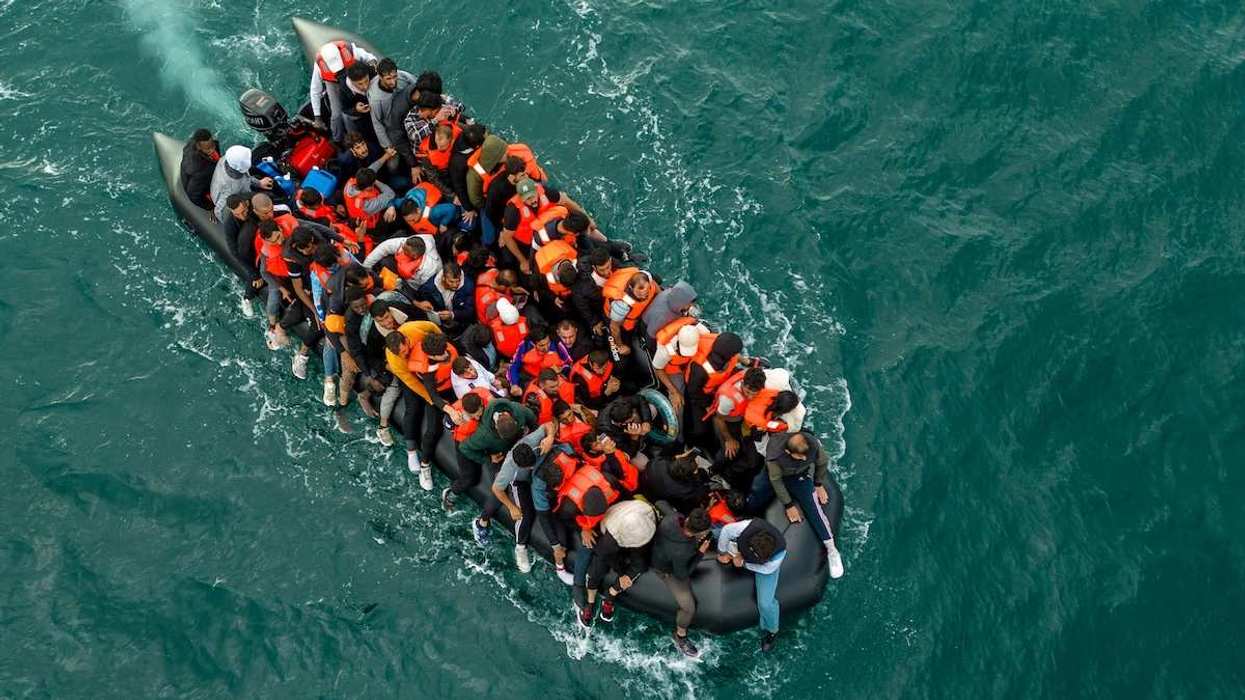
Over a million migrants seek legal status in Spain
Farida Dowidar
Spain has taken a very different tack from other European countries toward migrants, with Sánchez welcoming them into the country and pledging to grant legal status to half a million undocumented migrants under a new program. However, the PM underestimated how many people would apply: his government had expected 750,000 applications. With [...]
Ebola’s economic side effects
Natalie Johnson
In addition to the health concerns from the Ebola outbreak, the UN is sounding the alarm on a potential development crisis in Africa sparked by the disease. The intergovernmental body warns that it could cost billions of dollars of the continent’s GDP, and that roughly 328,000 jobs stand to be lost if the disease spreads to countries like Rwanda [...]
The EU steels itself for tariffs
Farida Dowidar
The trade bloc is also reducing its quota of tariff-free steel imports, as trade tensions mount with Beijing. The EU’s goal is to reduce its near-$400 billion annual trade deficit with China. However, the move could hurt other steel exporters with whom the EU has solid relations, including the UK, Ukraine, and Japan. Brussels isn’t the first to [...]
Sri Lanka launches drones against… mosquitoes
Farida Dowidar
Sri Lanka is facing one of the worst outbreaks of the mosquito-borne dengue virus in years. Amid energy shortages sparked by the war in Iran, dengue cases are straining hospital resources. In a bid to eliminate mosquito breeding grounds, the Sri Lanka Air Force has launched drones to detect sites where the insects breed across the country’s [...]