Skip to content
Search

Latest Stories

News

The tentacles of a global energy crisis

The tentacles of a global energy crisis

The stovetop.

Reuters
Make us preferred on Google

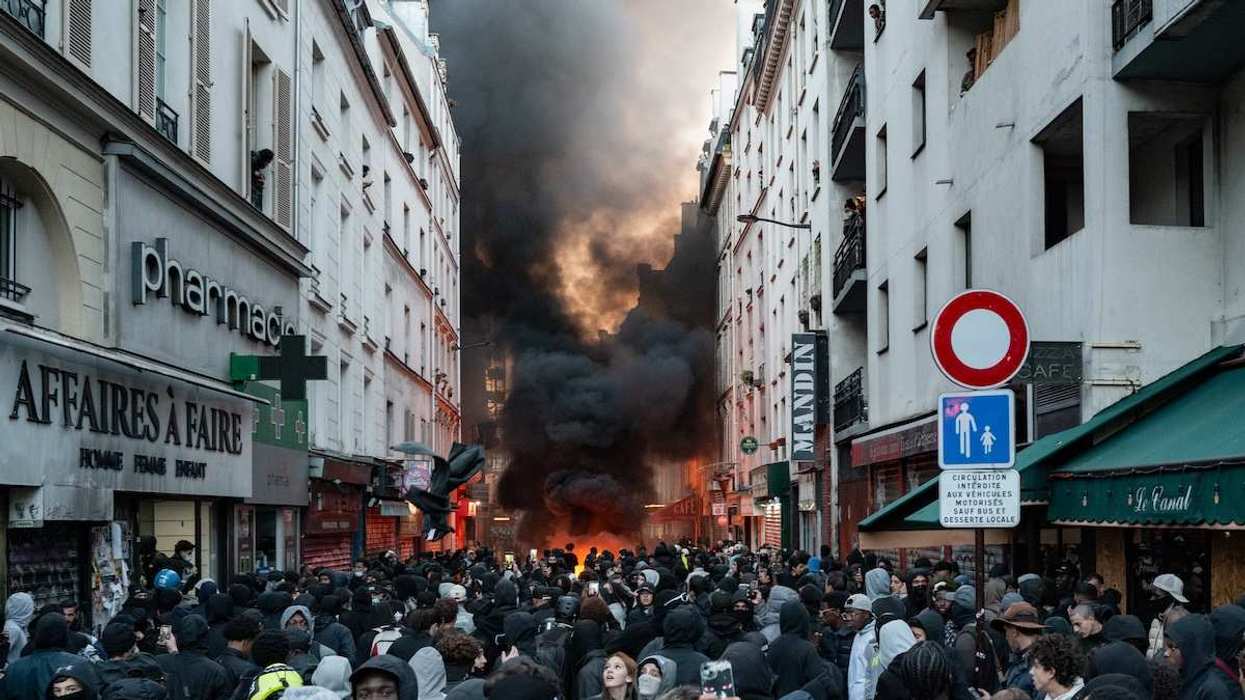
The global energy market has been volatile for months, but things got particularly dicey this week after Russia slashed natural gas supplies to Europe via the undersea Nord Stream pipeline. Moscow cut gas supplies to Germany by a whopping 60%, to Slovakia by 30%, and to Italy by 15%.


Russia’s state energy company Gazprom says the move, which sent Benchmark European gas prices soaring 24% on Wednesday, was a result of “technical issues,” but no one’s buying that excuse. Curiously, the gas shortfall came just as the French, German, Italian and Romanian heads of state touched down in Kyiv for a showy solidarity tour led by Ukrainian President Volodymyr Zelensky. (They went on to announce that they will support Ukraine’s EU candidacy.)

Simply put: the Germans are very jittery. In a desperate Twitter appeal, Deputy Chancellor Robert Habeck told Germans that the situation is “serious” and called on them to conserve energy wherever possible. Indeed, as Russia doubles down on its strategy of using energy exports as a weapon of war, there’s growing fear in Brussels that European states will be unable to find natural-gas alternatives to avoid a full-blown energy crisis next winter.

However, Europeans aren’t the only ones feeling the squeeze of a tight energy market. Australia, for its part, is also facing a massive pinch due to overlapping factors, including recent floods, planned maintenance at several plants, and global price pressures squeezing coal operators (around 75% of electricity Down Under is coal-powered). Coal prices have been soaring along with other commodities as the Ukraine war rages on, prompting the government of New South Wales to urge its 8 million residents to turn off the lights between 6-8pm.

Meanwhile, emerging market economies like Sri Lanka and Pakistan are also facing severe energy crises as a result of poor governance, reliance on shady Chinese loans, supply chain chaos, and the war in Ukraine. The combination of these factors continues to fuel sky-high inflation, rolling blackouts and … much misery.

This comes to you from the Signal newsletter team of GZERO Media. Subscribe for your free daily Signal today.
More For You

Peru's conservative presidential candidate Keiko Fujimori addresses the media in Lima, Peru, on June 11, 2026.

Peru's conservative presidential candidate Keiko Fujimori addresses the media, as vote counting continues in a tight presidential race between Fujimori and leftist candidate Roberto Sanchez, in Lima, Peru, on June 11, 2026.

REUTERS/Alessandro Cinque/File Photo
Eight presidents, one of whom lasted five days. A plethora of attempted impeachments – including four successful ones. Several ex-leaders jailed. Eighteen different finance ministers. A litany of publicly-financed projects that are unfinished. Protests prompting a state of emergency declaration. An absence of trust in government. Election count [...]
Canada shows another red card at the border
Will Fitzpatrick
While the US has drawn attention for blocking fans, coaches, and referees from entering the country for the World Cup, co‑host Canada has also denied entry into its country for two players. Ahead of Ghana’s opening match against Panama in Toronto, midfielder Thomas Partey was denied a visa to travel from the US to Canada. And just yesterday, [...]
Iranian President Masoud Pezeshkian displays a memorandum of understanding after signing it in Tehran, Iran, on June 18, 2026.

Iranian President Masoud Pezeshkian displays a memorandum of understanding after signing it in Tehran, Iran, on June 18, 2026, after the document was signed by US President Donald Trump.

Iranian Presidency via ZUMA Press
What does the US-Iran deal mean for Tehran? The interim agreement to end the war, signed by both sides on Wednesday, appears to tilt toward Iran: it lifts the US naval blockade of Iranian ports, grants sanction waivers for Iranian oil products – meaning Tehran no longer has to sell oil at a discount – and gives the Islamic Republic access to [...]
People walking along the Dubai Creek Harbour

People walk along Dubai Creek Harbour, amid the U.S.-Israel conflict with Iran, in Dubai, United Arab Emirates, March 6, 2026.

REUTERS/Amr Alfiky/File Photo
Will the Gulf pay for its own protection from Iran? Iran could reportedly receive up to $300 billion in a reconstruction fund for its battered economy as part of its interim peace deal with the US, which is expected to be formally signed in Switzerland on Friday. While the structure and management of the potential fund are unclear, US President [...]