Central banks unite vs. inflation
On Wednesday, the US Federal Reserve raised interest rates by 75 basis points — the biggest hike since 1994 — as it scrambled to contain runaway inflation. What's more, new projections show that the Fed plans to hike rates by an additional 1.75 percentage points until the end of the year — the most aggressive pace since Paul Volcker engineered a recession with double-digit interest rates to tame sky-high inflation in the early 1980s. Just hours before the Fed concluded its meeting, the European Central Bank unveiled a new bond-buying tool to protect the Eurozone's weakest economies from higher borrowing costs, as the ECB gets ready to fight inflation by jacking up interest rates next month for the first time in 11 years. In recent days, rising premiums on Italian and Spanish bonds compared to German ones had rung alarm bells throughout the Eurozone, with painful memories of its debt crisis in the early 2010s. The twin announcements sent shockwaves through global financial markets, with investors already panicking that a recession might be unavoidable to ease out-of-control prices due to a combination of the war in Ukraine, pandemic-related supply chain snarls, and massive stimulus spending on both sides of the Atlantic.
Want to stop a bank run? Try zero-COVID
This week, multiple residents in the Chinese province of Henan were surprised when their status on the official COVID app turned red. That means they either tested positive or were suspected of carrying the virus and must quarantine for 14 days. Turns out, most of them were customers of four rural banks that froze a combined $6 billion in deposits a couple of months back, sparking angry protests. Is China weaponizing zero-COVID to keep protesters at home? Well, the ruling Communist Party is certainly very worried about the health of its often fraud-ridden, over-leveraged rural banks. These small lenders account for just 1% of total assets in China's banking system, but pose a systemic risk because a run on them could quickly spread to other financial institutions — potentially unleashing a nationwide credit crunch and social unrest. Will the state let them fail or bail them out? Expect something in between, similar to how the government handled the debt crisis of real-estate behemoth Evergrande late last year.
Pakistan suffers energy crunch
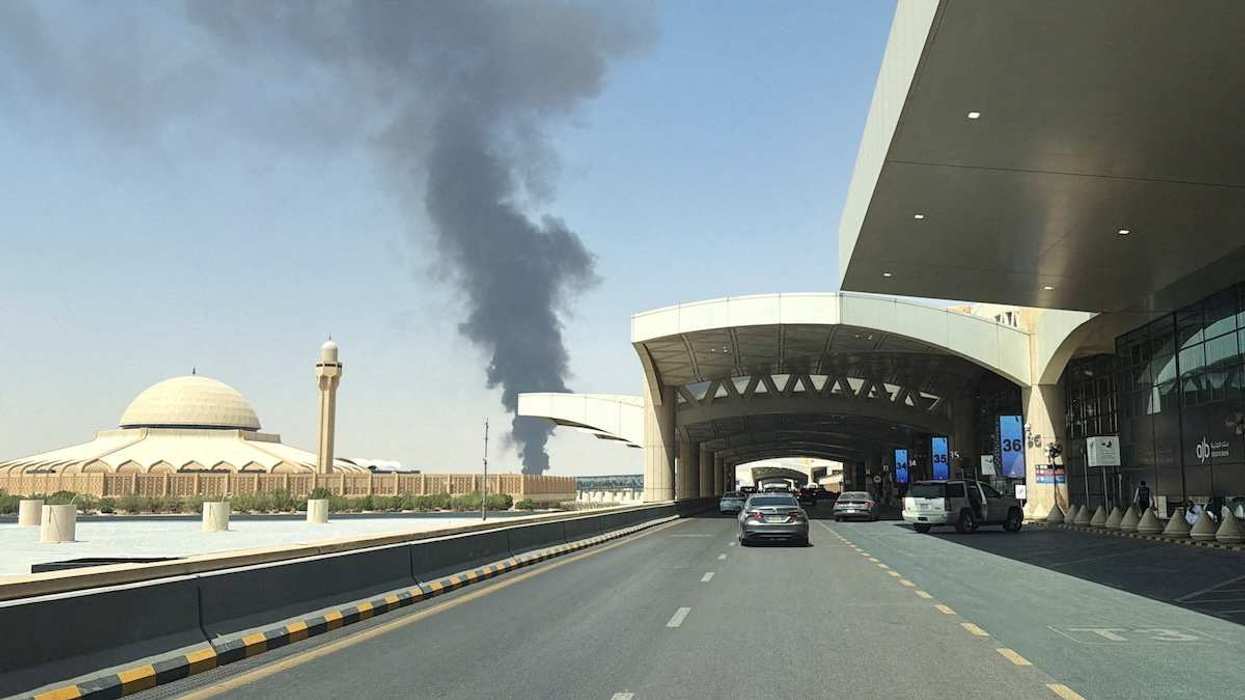
The people of crisis-ridden Pakistan can’t seem to catch a break. After months of political turmoil, the country is now facing a severe energy crunch, with power going out in some places for up to 8 hours a day as blackouts roll across the country. Energy prices had already been rising for some time as a result of soaring inflation, which currently tops a whopping 13%. Even before Russia’s invasion of Ukraine sent the global economy into a tailspin, political mismanagement and poor governance under former Prime Minister Imran Khan — who was ousted in April — caused a painful financial squeeze in Pakistan. The current crisis is largely a result of the fallout from Islamabad’s deal with Beijing under the China-Pakistan Economic Corridor initiative. China has shut down multiple power plants recently because Pakistan has failed to make good on its repayments totaling around $1.5 billion. Interestingly, this crunch comes just weeks after Pakistan wrapped up a round of talks with the IMF in hopes of unlocking $6 billion worth of aid. Islamabad says that an unforeseen series of global crises – the pandemic, supply chain chaos, war in Ukraine – have meant that the IMF deal, negotiated in 2019, is now “outdated.” But the IMF is standing firm, saying that to access the cash, Pakistan must implement key reforms — like lifting fuel subsidies — that would be suicidal for the nascent government.
What We’re Ignoring: St. Peter, the Not-So-Great in Russia
For years, the St. Petersburg International Economic Forum (SPIEFF), aka the Russian Davos, was a must-attend event for world business leaders. It was a slickly produced annual schmooze-fest of global and Russian elites. With ambitious if clunky themes like "Efficient Economy! — Decent Life!" or "Emerging Leadership for a New Era!" or "Sustaining Confidence for a World in Transition," the SPIEFF was a chance for the Kremlin to present Russia, however improbably, as something more than a giant gas station: a dynamic, exciting, and innovative economy. Well, dosvidaniya to all that, friends. This year, in the wake of Russia's invasion of Ukraine and the Western sanctions response, almost no one is attending the 25th installment of the forum. The highest-profile foreign guests are Belarusian President Alexander Lukashenko, a smattering of Donbas separatist representatives, and — checks notes — the Taliban.This comes to you from the Signal newsletter team of GZERO Media. Subscribe for your free daily Signal today.