Gulf grows between UAE and Saudi Arabia: Global oil prices surged this week to a six-year high after talks between the world's biggest oil-producing countries broke down. So what happened exactly? Saudi Arabia and the United Arab Emirates, usually close allies, are at loggerheads over how to boost OPEC oil production in the wake of the pandemic-induced economic crisis: the Saudis, along with the Russians, have proposed extending curbs on oil output levels for another eight months — a proposal vehemently rejected by the Emiratis. Abu Dhabi, for its part, has invested a lot to boost its output capacity, and now that global demand is up again it wants to renegotiate its production quotas within the OPEC framework. Riyadh, on the other hand, wants to cut supply levels so that prices remain high. It's a rare public spat between the two countries, whose leaders — Saudi Crown Prince Mohammed bin Salman and Emirati Crown Prince Mohammed bin Zayed — enjoy a close personal bond, though a rivalry has been deepening in recent years as both try to establish their kingdoms as the top economic hub — and regional power — in the Gulf region.
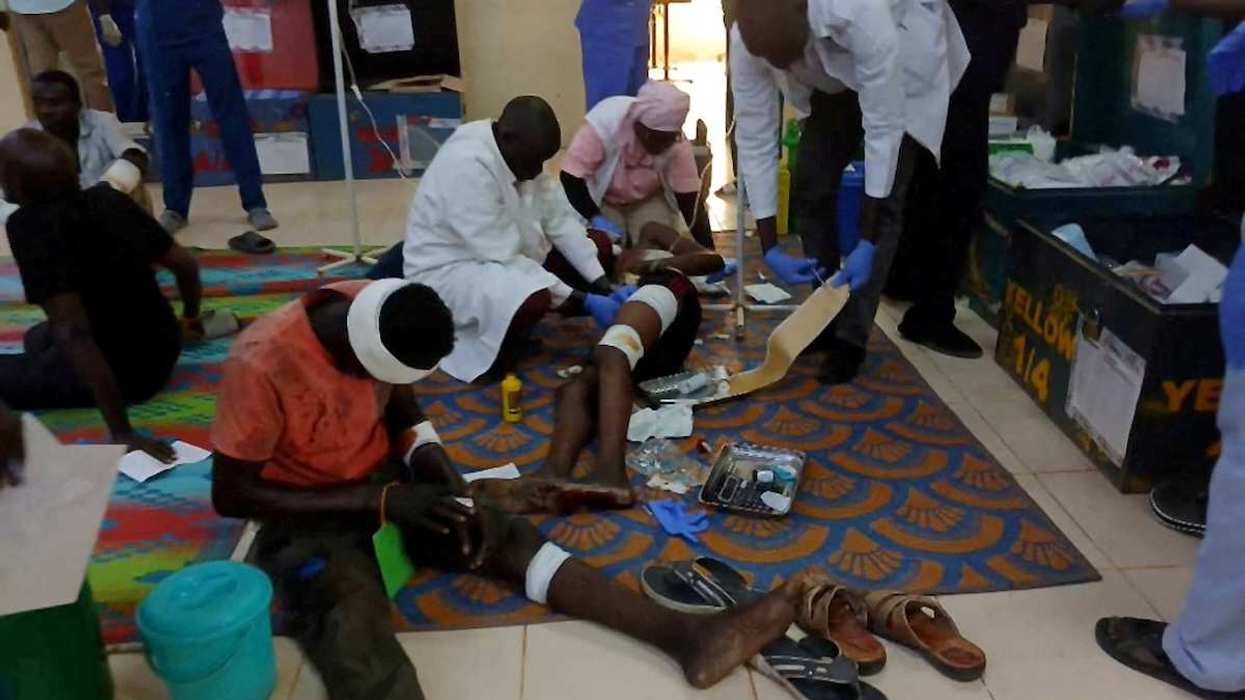
South Sudan's bitter anniversary: July 9 marks 10 years since South Sudan gained independence from Sudan, becoming the world's youngest nation. At the time, hopes were high that the turmoil of Africa's longest civil war between Sudan's mostly-Muslim north and the Christian/animist south, would dissipate. But a decade later, many South Sudanese are still waiting for the good times to begin. Politically, the country is mired in instability as former rebel leaders who head the transitional government hold competing visions for the country's future. Meanwhile, inter-communal fighting between different ethnic groups has soared, showing the fragility of the nascent peace accord. Episodes of violence combined with drought and other extreme weather events have fueled a humanitarian disaster: the UN says that 2 out of 3 children in South Sudan are in desperate need of humanitarian support, while millions of people displaced by war remain stuck in refugee camps, with limited access to food, water and basic medical care in one of the UN's top 10 projected global hunger hotspots for this year. What's more, parts of the decade-old peace agreement have still not been implemented. Elections are supposed to be held in 2023 but many are calling for President Salva Kiir and his deputy Riek Machar, a former rebel leader, to step down because they have failed to effectively govern and provide basic services.
Malaysian PM under pressure: Malaysia's biggest political party has withdrawn its support for the fragile coalition government led by Prime Minister Muhyiddin Yassin. The United Malays National Organisation — which dominated the country's famously complicated politics until its shock election defeat three years ago — wants Muhyiddin to step down over his handling of the pandemic. (Malaysia is the third worst hit country in Southeast Asia). Yassin had declared a draconian state of emergency in January, which closed parliament for months, allowing the PM to govern by decree and diminishing UMNO's influence over policy. Without UMNO's votes, Muhyiddin now heads a minority coalition in parliament, which means he could be ousted without holding new elections through a no-confidence vote. Still that's unlikely because the only other politician capable of cobbling together a coalition is Muhyiddin's rival and anti-UMNO opposition leader Anwar Ibrahim, who's spent many years — including a few in jail — waiting to become Malaysia's prime minister. Meanwhile, the PM has agreed to partially suspend the state of emergency so lawmakers can return to parliament for a few days to discuss the country's political crisis.