Macron’s narrow escape
It came down to the wire, but Emmanuel Macron’s government narrowly survived a no-confidence vote in France’s National Assembly on Monday, with 278 voting to topple the government, nine votes shy of the threshold needed to pass.
Quick recap: The motion was triggered after Macron used a constitutional provision last week -- bypassing a vote in the lower house -- to pass a controversial pension reform despite weeks of protests (more on that here).
Not only do 70% of French adults abhor Macron’s plan to raise the retirement age to 64 from 62 by 2030 – which he says is necessary to plug the growing debt hole – but the French electorate, which has long had a libertarian streak, is also furious that the government used what it says is an anti-democratic loophole to pass the measure.
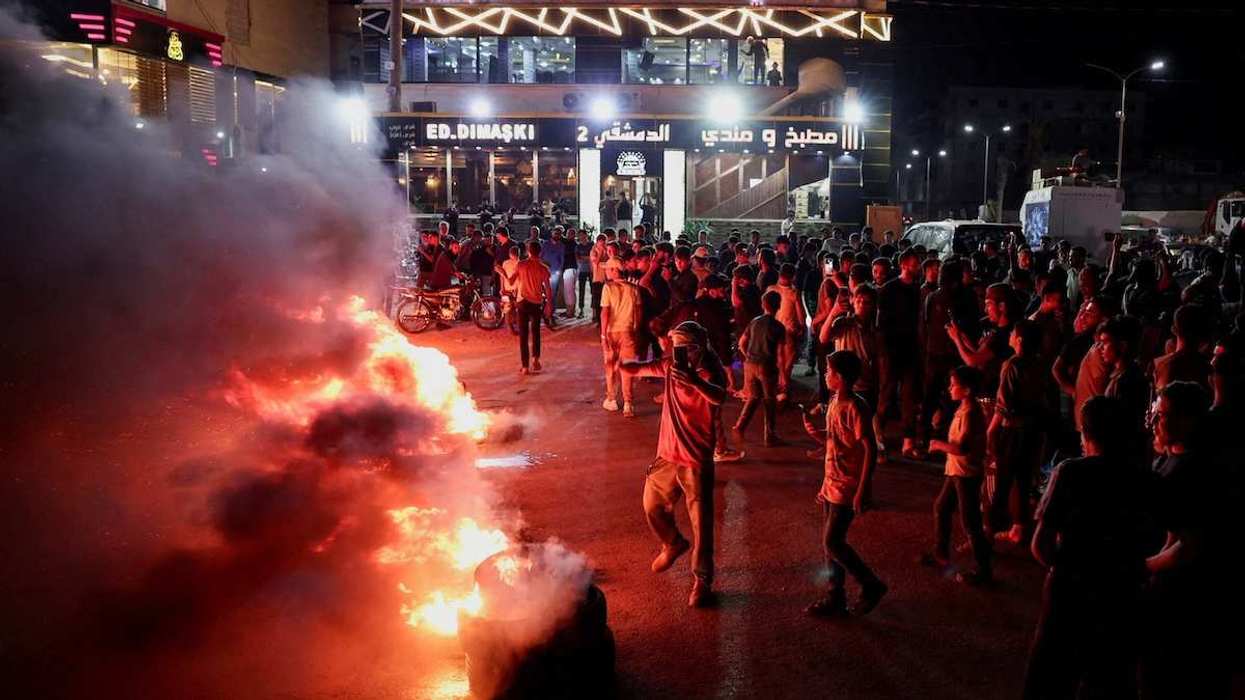
Macron’s troubles are only just beginning. Hundreds were arrested in Paris over the weekend and on Monday as anti-government protests turned violent and smelly. Unions have called for nationwide demonstrations and strikes in a bid to pressure the government to roll back the measures (which will never happen).
Prime Minister Élizabeth Borne will likely take the fall and resign. Still, Macron, already unpopular before this debacle, will emerge a diminished political figure. After previously saying he understood that people were “tired of reforms which come from above,” it will be very hard for the ideological chameleon to regain the trust of vast swathes of the population.
South Africa’s day of demonstrations
Amid rolling blackouts and a slumping economy, the Marxist-linked Economic Freedom Fighters Party called for a national day of protests Monday, putting law enforcement on high alert.
The EFF, the country’s third-largest party led by longtime leader Julius Malema, is largely backed by poor Black South Africans, many of whom live in townships, as well as younger voters who feel they haven't benefited from the ruling African National Congress Party’s tenure in the post-apartheid era. Indeed, around one-third of South Africans are out of work and the economy is slated to grow by just 0.3% in 2023, down from 2.5% in 2022.
President Cyril Ramaphosa mobilized more than 3,000 troops nationwide in anticipation of mass protests. But turnout was lower than expected, prompting Malema to claim that the government was blocking buses transporting protesters.
The EFF “will still claim the wall-to-wall media coverage around the protests as a victory,” says Ziyanda Sturrman, a South Africa expert at Eurasia Group.
None of this is good news for Ramaphosa, who, after a series of political scandals, looks set to lose his parliamentary majority in next year’s general election. Still, Stuurman notes that if the ANC falls just below the 50% threshold, several small parties have already put their hands up to join an ANC-led coalition.
Trump vs. prosecutors
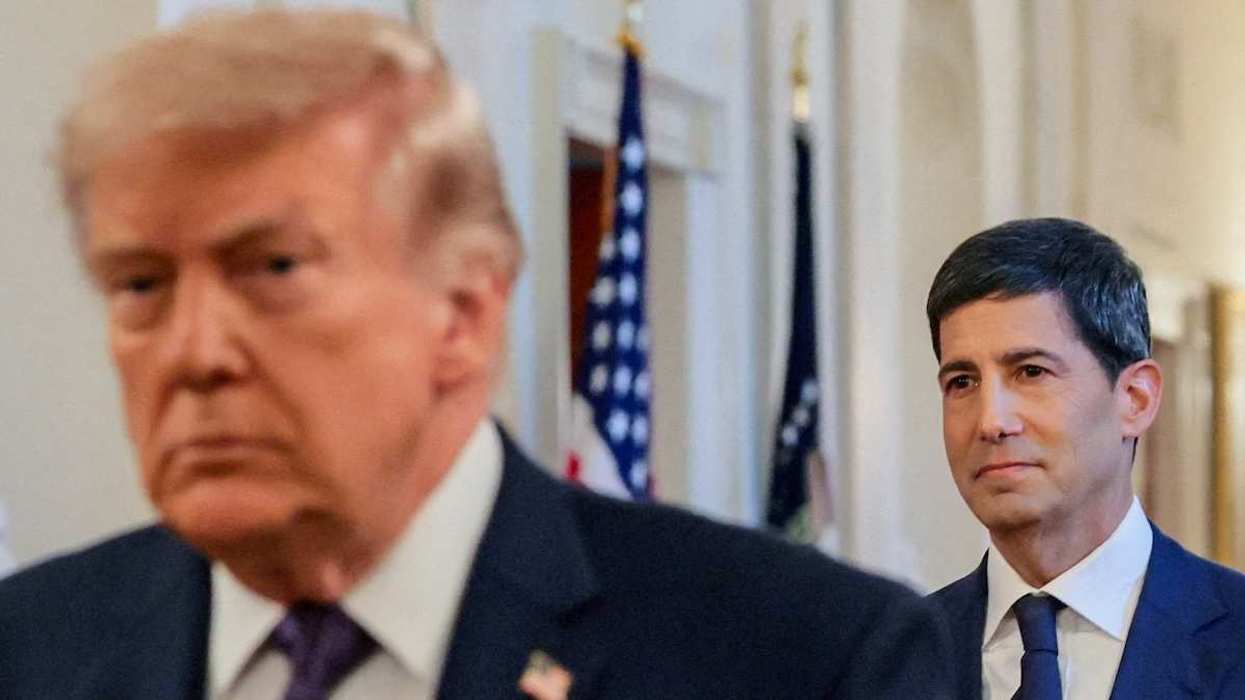
Former US President Donald Trump faces possible legal challenges on multiple fronts. The state of New York could charge him with fraud for alleged hush money payments to a porn star. The Justice Department could charge him with many suspected crimes related to efforts to overthrow the result of the 2020 election as well as the misuse of hundreds of classified documents recovered by the FBI from his Florida home. Prosecutors in Georgia could charge him with election fraud as part of his alleged effort to overturn that state’s 2020 election result.
If Trump is indicted, he’ll likely present himself for charges, while also calling for protests. He would then be released on bond pending trial, and it’s unlikely that any trial in any of these potential cases would take place in 2023.
Trump would continue his campaign for the Republican presidential nomination. There’s nothing in the US Constitution to prevent him from being elected president. His fate would remain with voters. If elected, his presidency would begin in court. In theory, a president could pardon himself for federal crimes. That would have to be tested. But no president can pardon state-level crimes, like those he might be charged with in New York and Georgia. In short, prosecutors and Trump may be about to steer American politics into uncharted waters.
Colombia: Is Petro’s “total peace” going to pieces?
Colombia’s President Gustavo Petro took office last year pledging to reach a negotiated “total peace” with the country’s various armed and criminal groups. But on Monday that strategy took a big hit when he was forced to suspend a three-month-old ceasefire with the fearsome Clan del Golfo (Gulf Clan), the Andean region’s most powerful narco-trafficking outfit. The Clan had allegedly attacked an aqueduct and opened fire on police officers.
The move puts Petro in a tough spot — ramping up military action risks escalating a conflict he was elected in part to end peacefully. But allowing cartels to run riot isn’t an option either.
The setback comes amid a broader season of discontent for Petro: a corruption investigation of his son, the departure of several key coalition ministers, and an approval rating that is net-negative barely six months since he took office.
Petro, a former guerilla who is the country’s first left-wing president, has made an effort to build bridges across the political spectrum so far. But his critics worry that if the going gets tougher, he might resort to a more populist style that could be explosive in a country as polarized as Colombia.