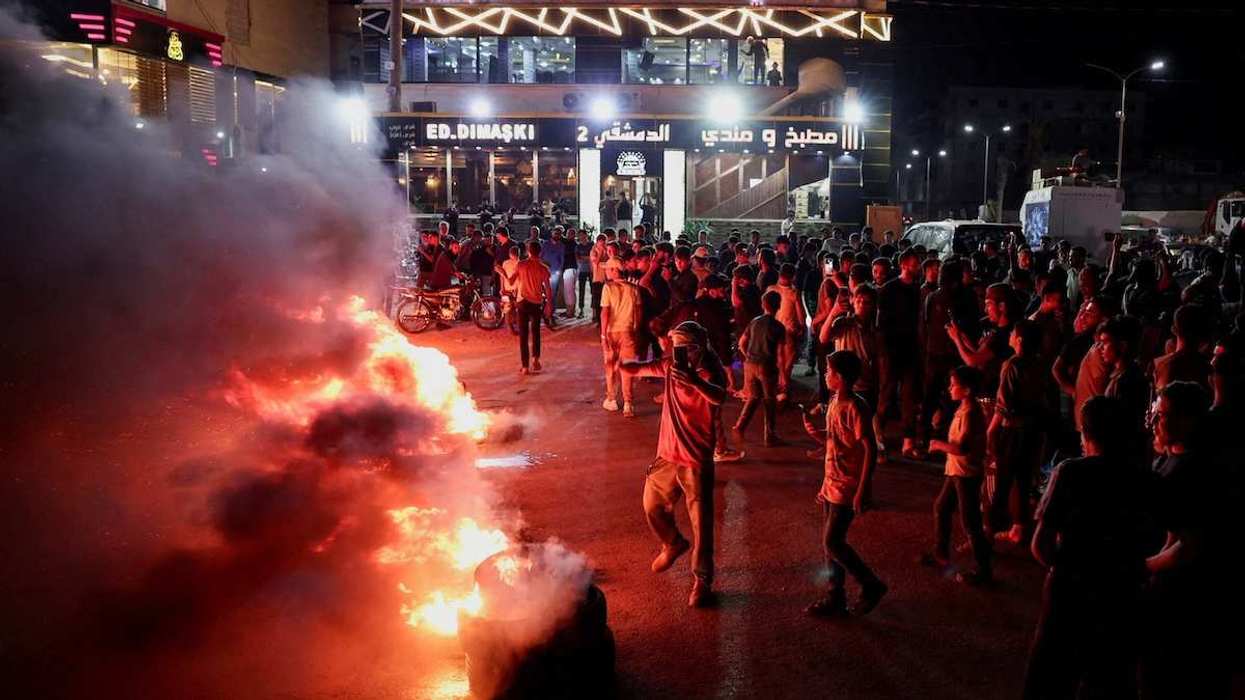
Over the weekend, protesters demanding the return of democracy in Myanmar burned down and looted Chinese-owned businesses in Yangon, the country's main city. China's embassy then asked the junta to restore order. In a few hours, the generals obliged: soldiers killed scores of demonstrators, and martial law was declared.
The anti-China riots add a fresh international dimension to Myanmar's political crisis. The protesters are angry not only at the military rulers, but increasingly at China's thinly veiled support for the junta. This backlash is a big test for Beijing. As a rising global power and regional heavyweight, is China going to simply look the other way as its interests in Myanmar literally go up in flames?
China's stakes in Myanmar. China has always been upfront on what it wants from its southern neighbor: a piece of its natural resources and waterways. Beijing wants the generals to restart long-shelved plans for a controversial hydropower dam to generate electricity for China, which locals fear will damage the environment and force thousands to relocate. Beijing is likewise hungry for Myanmar's rare earth metals (production has dropped significantly since the coup, which probably influenced Beijing's recent threat to stop exporting rare earths to the US.)
China also needs Myanmar to continue building a natural gas pipeline linking China's Yunnan province to the Kyaukpyu deepwater port in Myanmar's Rakhine state to gain access to the Indian Ocean, where China is competing for maritime supremacy with India.
Beijing in the hot seat. Since the February 1 coup, Chinese interests have come under fire in Myanmar. A lot of the buzz is on social media, which has been rife with rumors that China — the new regime's most prominent international ally — helped the military seize power. Pro-democracy activists also suspect Chinese cybersecurity experts are helping the junta develop internet censorship technology similar to China's own Great Firewall.
Despite its long history of shady activity in the country, China has dismissed such claims as fake news, and pushed back against protesters' calls to boycott Chinese products and sabotage the Kyaukpyu pipeline. But Beijing, as always, is worried about instability on its border, and frustrated with the generals' failure to end the post-coup unrest.
What will China do? China is in a bind on how to respond. On the one hand, it could just wait for the protests — and attacks on Chinese-owned businesses — to subside following a sustained bloody crackdown by the junta. That's precisely what China did following the 2014 and 2019 pro-democracy rallies in Hong Kong, where Beijing now rules with an iron fist.
On the other hand, if the rising anti-China sentiment turns more violent, China could feel compelled to do something a bit more radical. Direct military intervention, however, would be anathema to China's longstanding policy of non-interference in domestic political affairs.
Non-interference vs Wolf Warrior. Right now, the Hong Kong scenario is more likely. One reason is that China is deeply concerned about its own reputation as a powerful yet benevolent Asian superpower, the main raison d'être behind its COVID vaccine diplomacy. The other is that China has no fond memories of the last time it deployed combat forces abroad. (That was in 1978, when China lost a brief war with Vietnam.)
But if Chinese businesses continue being singled out, Beijing will be wary of looking weak in the face of rising anti-China sentiment on its border. Further unrest could force Beijing's hand and unleash the "Wolf Warrior" — a new, more aggressive brand of Chinese diplomacy that draws it name from a blockbuster film depicting an extreme version of China using military muscle to defend national interests in Africa.