Search
AI-powered search, human-powered content.
scroll to top arrow or icon

No internet, no education, says Vickie Robinson

The pandemic accelerated the shift to digital. But that left behind those offline, widening the digital access gap — with big implications for education.

Vickie Robinson, general manager of Microsoft's Airband Initiative, recalls how she dealt with school closing as a mother.

Having in-home connectivity helped her children transition from middle to high school with some sense of normalcy. But two-thirds of school-aged kids around the world didn't have that opportunity, she says during a Global Stage livestream conversation.


What's more, offline kids mostly come from marginalized backgrounds, which for Robinson makes the case for closing the digital access gap even more urgent.

More from Global Stage

How can AI enhance human progress?

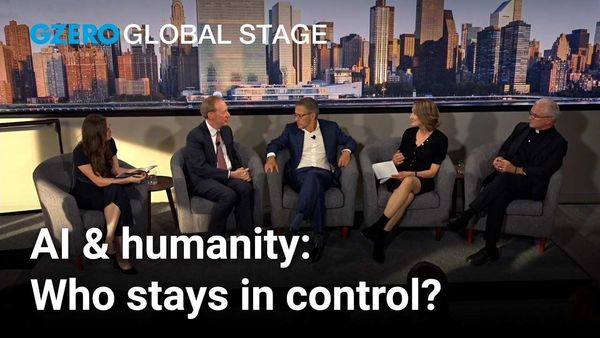
As artificial intelligence becomes more powerful and more deeply embedded in everyday life, how can we ensure it remains a tool for human progress, and under human control?

The real risk of AI is how humans use it

As the US and China race to develop and deploy AI, the biggest risks may come not from the technology itself, but from how humans choose to use it. Speaking on a Global Stage panel during the 81st UN General Assembly, Ian Bremmer examines how the AI race is reshaping geopolitics and changing perceptions of the technology.

AI’s role in wildfire detection, healthcare, and education

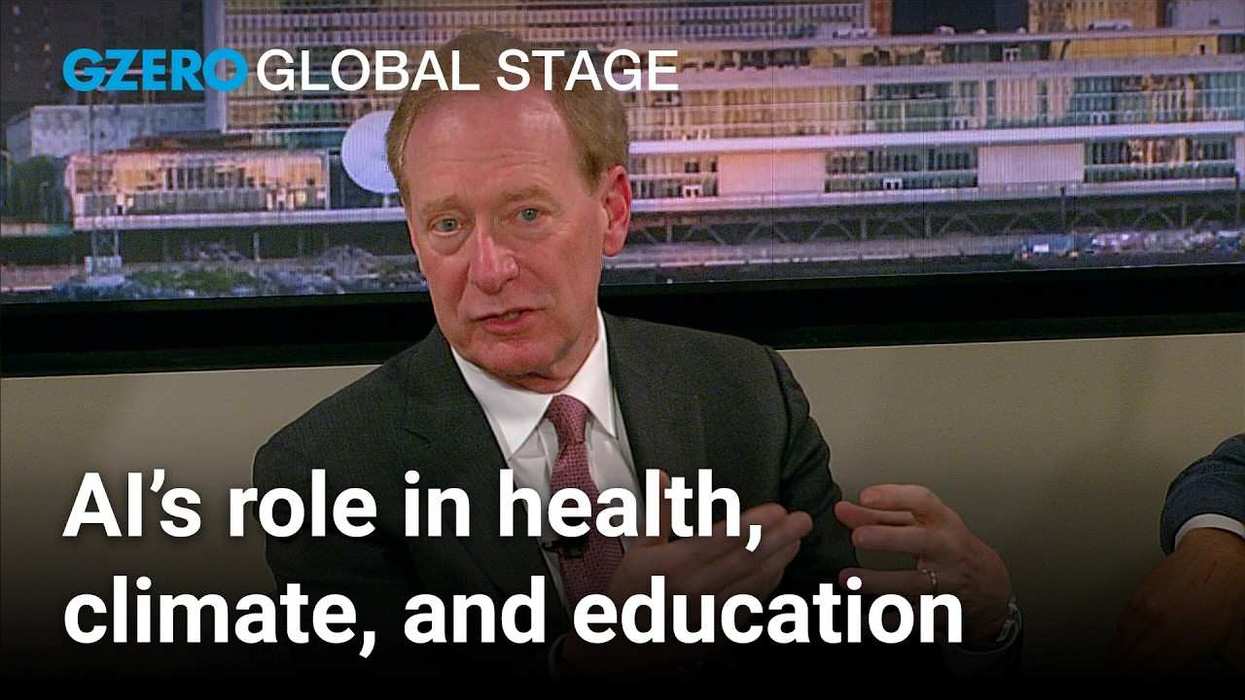
From detecting wildfires before they spread to giving doctors more time with patients, AI is opening new possibilities for how technology can serve the public good. Speaking on a Global Stage panel during the 81st UN General Assembly, Microsoft Vice Chair and President Brad Smith explores how AI is being applied across climate, health care, and education.

Can AI work for everyone? ITU’s Fred Werner on closing the global AI gap

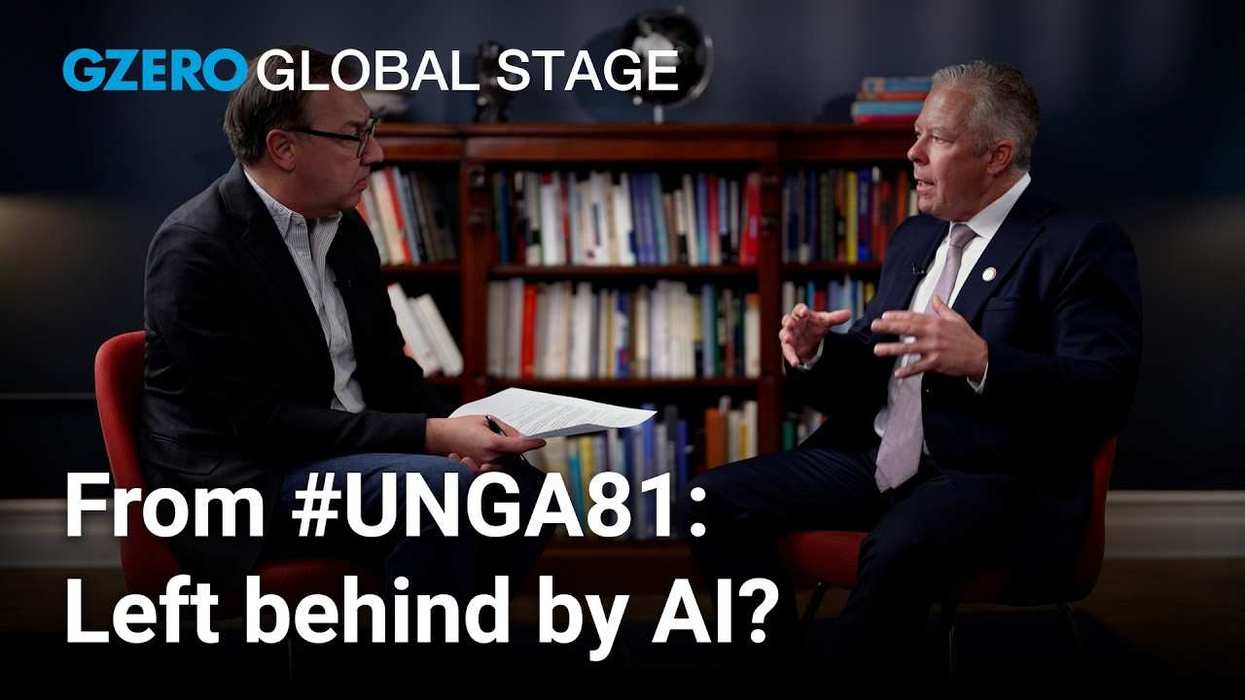
On the sidelines of the 81st United Nations General Assembly, GZERO Media’s Tony Maciulis sits down with Fred Werner of the International Telecommunication Union (ITU) to discuss the opportunities and risks shaping the next phase of artificial intelligence.

How AI speeds up disaster relief efforts

Artificial intelligence is becoming an increasingly powerful tool for disaster preparedness and emergency response. Speaking at the 2026 AI for Good Global Summit in Geneva, Microsoft Vice Chair and President Brad Smith explains how AI combines predictive modeling, satellite imagery, and public data to help governments identify vulnerable communities before disasters strike and respond more quickly when they do.

Can AI help solve global crises? Live from the AI for Good Global Summit 2026

As artificial intelligence rapidly reshapes the global economy, one question is becoming increasingly urgent: who will actually benefit? Recorded at the 2026 AI for Good Global Summit in Geneva, this special Global Stage conversation brings together leaders from the United Nations, Microsoft, and the scientific community to examine how AI can help tackle some of the world's biggest challenges, from disaster preparedness and climate resilience to humanitarian response and sustainable development.