
Skip to content
Search

Latest Stories

GZERO AI

Senators push bipartisan AI bill for increased transparency, accountability

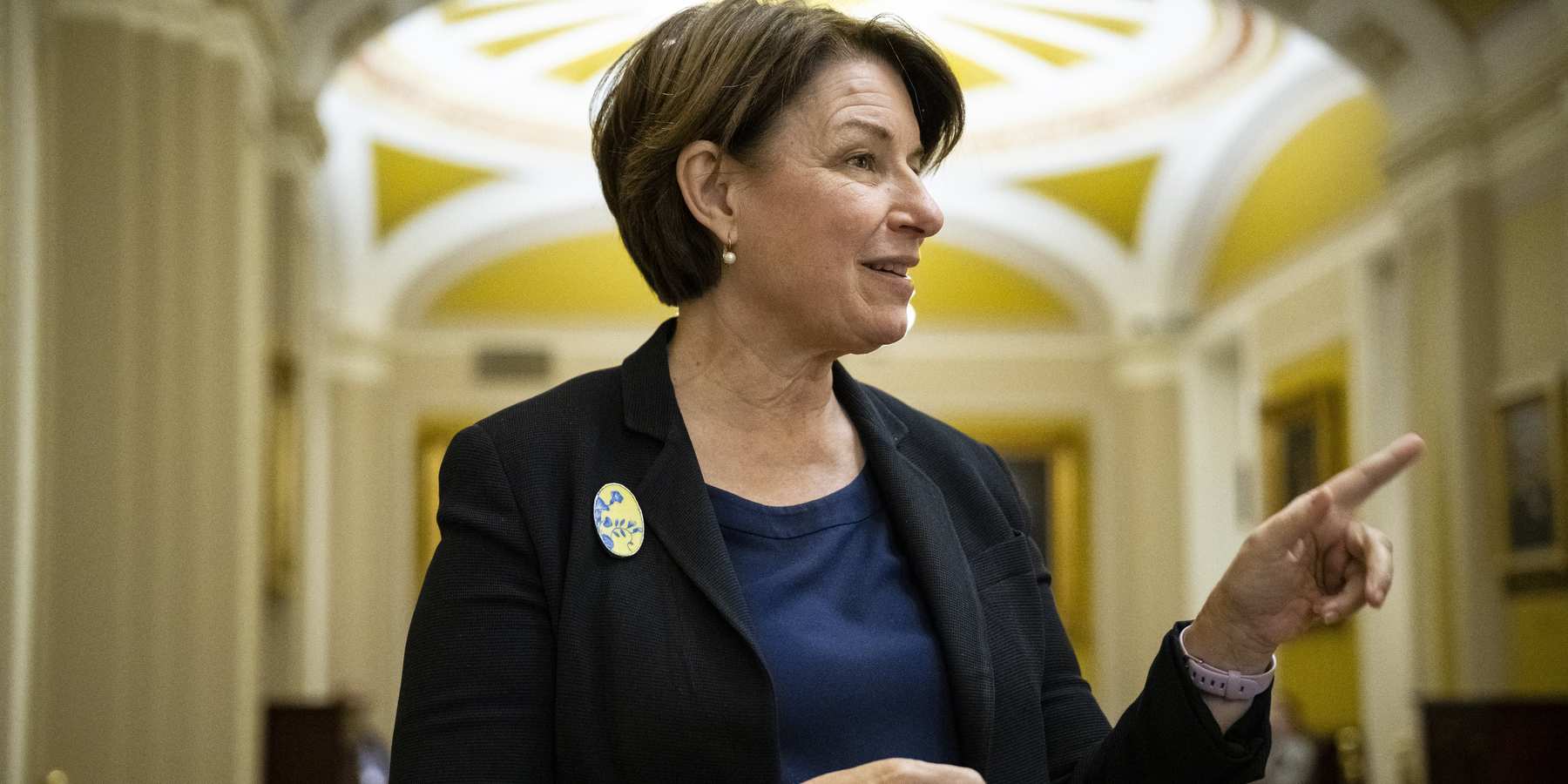
​Sen. Amy Klobuchar (D-MN) speaks to media near the Senate Chamber during a vote at the US Capitol, in Washington, D.C., on Wednesday, Nov. 15, 2023.

Sen. Amy Klobuchar (D-MN) speaks to media near the Senate Chamber during a vote at the US Capitol, in Washington, D.C., on Wednesday, Nov. 15, 2023.

Graeme Sloan/Sipa USA via Reuters

GOP Sen. John Thune of South Dakota and Democratic Sen. Amy Klobuchar of Minnesota last Wednesday unveiled bipartisan legislation – the Artificial Intelligence Research, Innovation, and Accountability Act of 2023 – that aims to establish basic safeguards surrounding the use of AI systems and tools.


The bill would provide definitions for different AI systems — including “critical impact” systems — and direct the Commerce Department to develop a five-year plan for testing and certifying critical-impact AI, per an overview from the lawmakers. Companies or organizations employing critical impact systems would be required to self-certify compliance with standards determined by the Commerce Department.

The legislation would require the National Institute of Standards and Technology to conduct research with the goal of creating guidelines for providing information on the authenticity and origin of online content. The bill would also require large internet platforms to let users know when they are interacting with content produced via generative AI.

Light-touch: In comments to Politico in September, Thune referred to the legislation as a “light-touch” approach to governing AI that avoids what he described as harmful, heavy-handed regulation. Last week, he explained that the bill was designed to help identify “basic rules of the road” to “protect consumers, foster an environment in which innovators and entrepreneurs can thrive, and limit government intervention.”

Congress, which is not exactly known for being particularly tech-savvy, has ramped up efforts over the past year to address the rapid development and expansion of AI. Senate Majority Leader Chuck Schumer has held a series “AI Insight Forums” aimed at educating lawmakers, for example.

Between challenges in understanding the technology and deeply entrenched political divisions, however, Congress seems unlikely to pass any major AI laws in the near future — particularly as the country enters an election year.


More For You

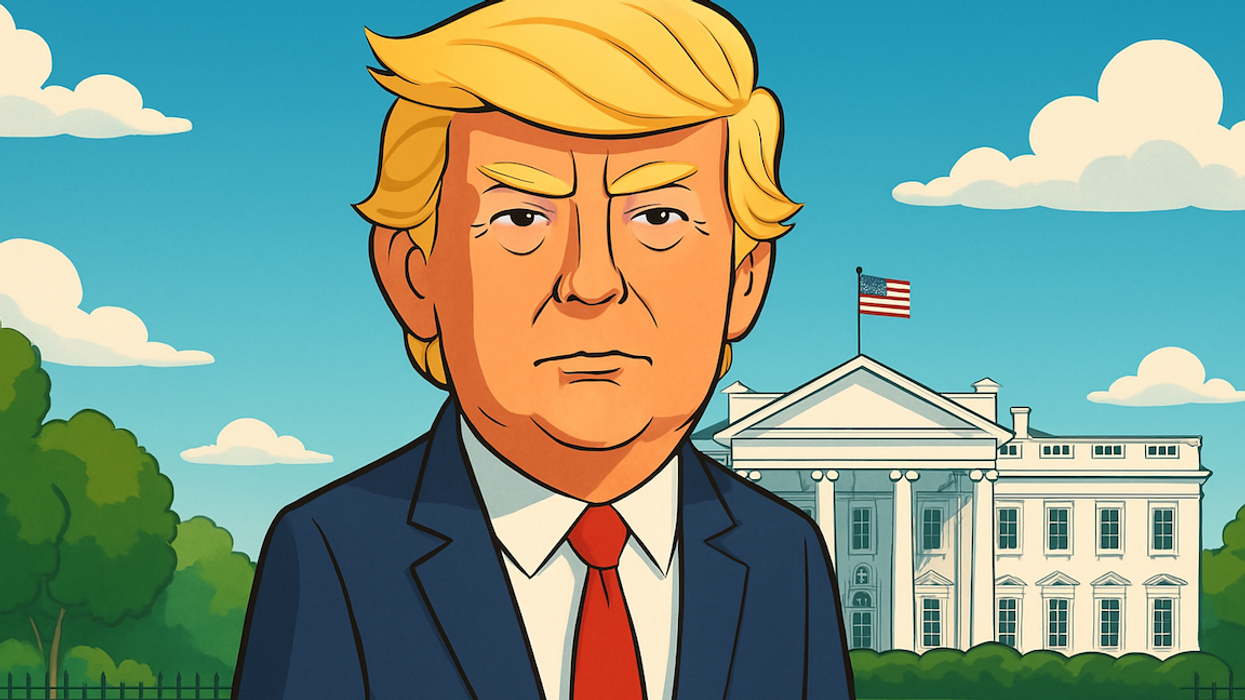
What we learned from a week of AI-generated cartoons
Courtesy of ChatGPT
Last week, OpenAI released its GPT-4o image-generation model, which is billed as more responsive to prompts, more capable of accurately rendering text, and better at producing higher-fidelity images than previous AI image generators. Within hours, ChatGPT users flooded social media with cartoons they made using the model in the style of the [...]
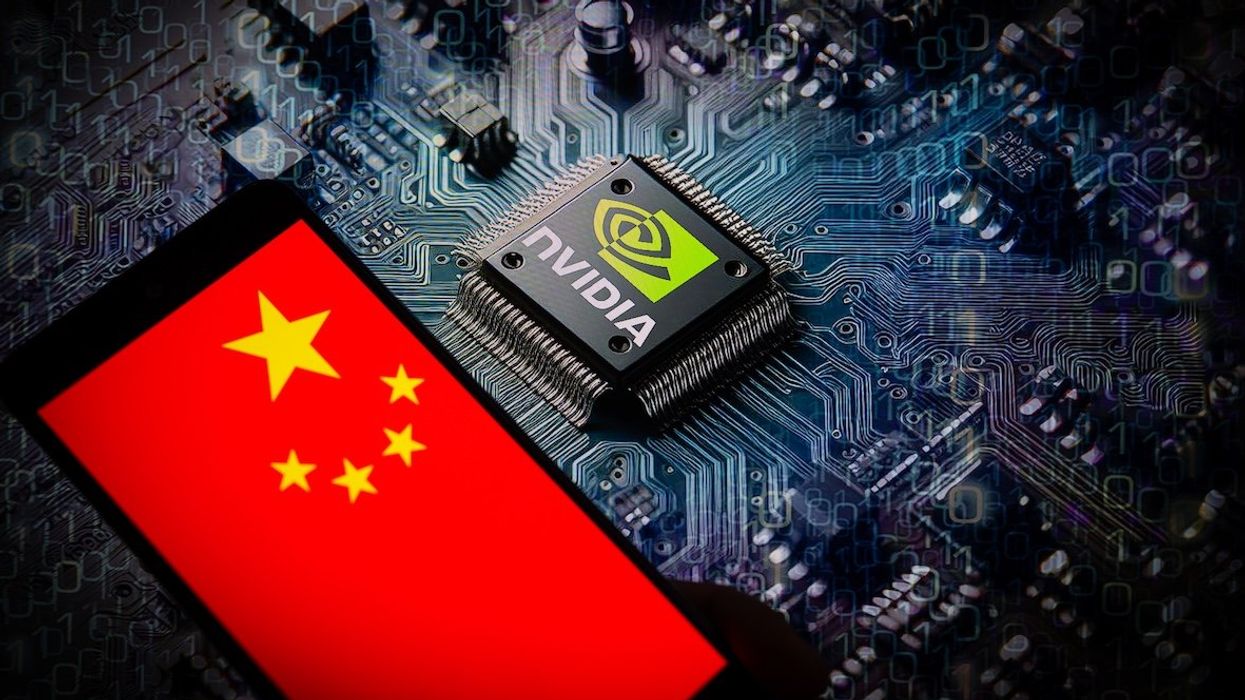
The flag of China is displayed on a smartphone with a NVIDIA chip in the background in this photo illustration.

The flag of China is displayed on a smartphone with a NVIDIA chip in the background in this photo illustration.

Jonathan Raa/NurPhoto via Reuters
H3C, one of China’s biggest server makers, has warned about running out of Nvidia H20 chips, the most powerful AI chips Chinese companies can legally purchase under US export controls. [...]
​North Korean leader Kim Jong Un supervises the test of suicide drones with artificial intelligence at an unknown location, in this photo released by North Korea's official Korean Central News Agency on March 27, 2025.

North Korean leader Kim Jong Un supervises the test of suicide drones with artificial intelligence at an unknown location, in this photo released by North Korea's official Korean Central News Agency on March 27, 2025.

KCNA via REUTERS
Hermit Kingdom leader Kim Jong Un has reportedly supervised AI-powered kamikaze drone tests. He told KCNA, the state news agency, that developing unmanned aircraft and AI should be a top priority to modernize North Korea’s armed forces. [...]
The logo for Isomorphic Labs is displayed on a tablet in this illustration.

The logo for Isomorphic Labs is displayed on a tablet in this illustration.

Igor Golovniov/SOPA Images/Sipa USA via Reuters
In 2024, Demis Hassabis won a Nobel Prize in chemistry for his work in predicting protein structures through his company, Isomorphic Labs. The lab, which broke off from Google's DeepMind in 2021, raised $600 million from investors in a new funding round led by Thrive Capital on Monday. The company did not disclose a valuation. [...]