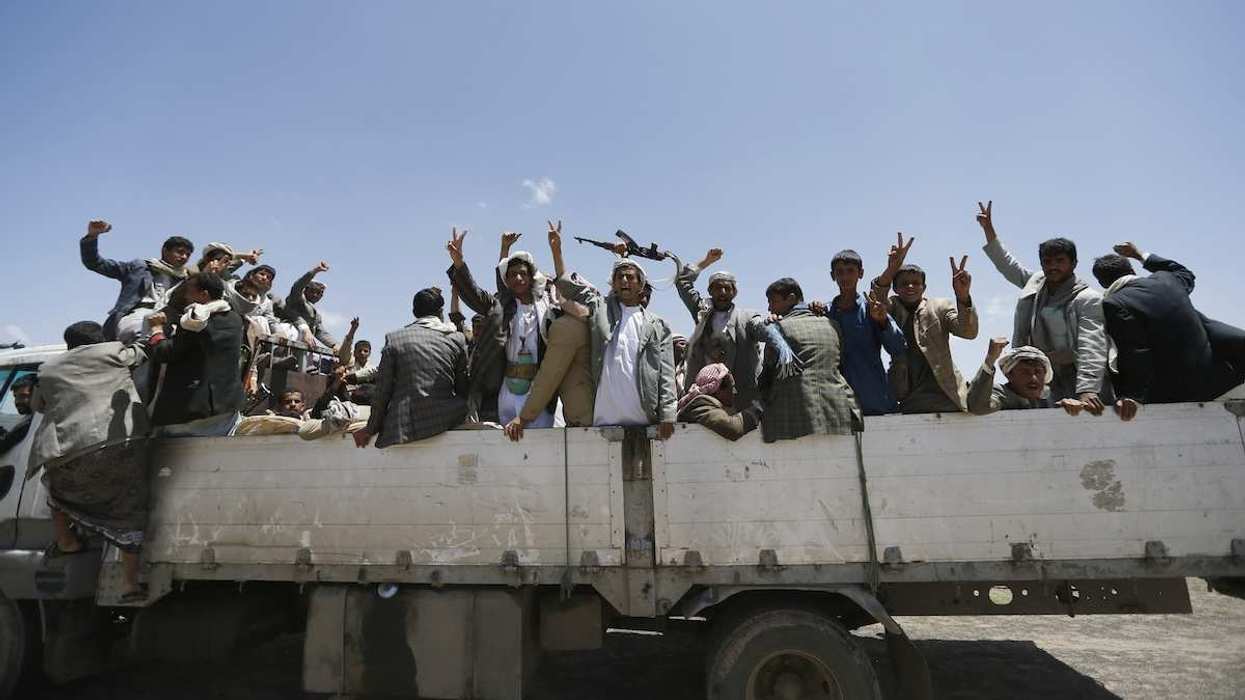
Burst of violence tests Iran ceasefire
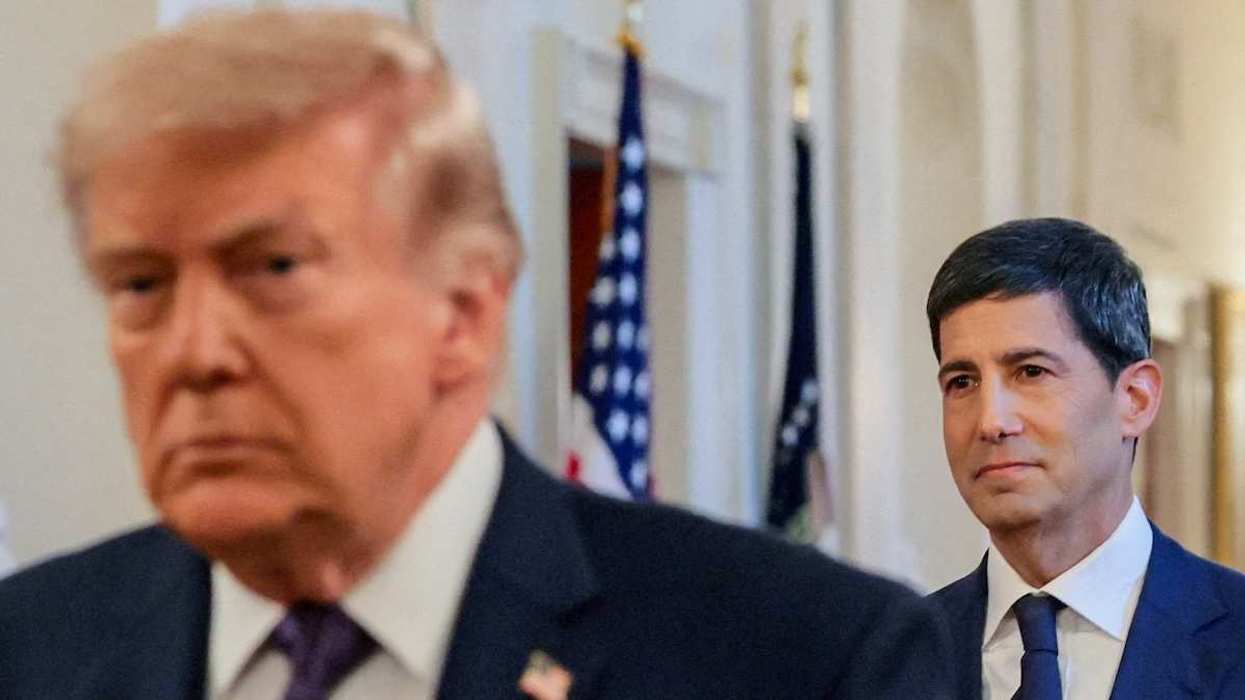
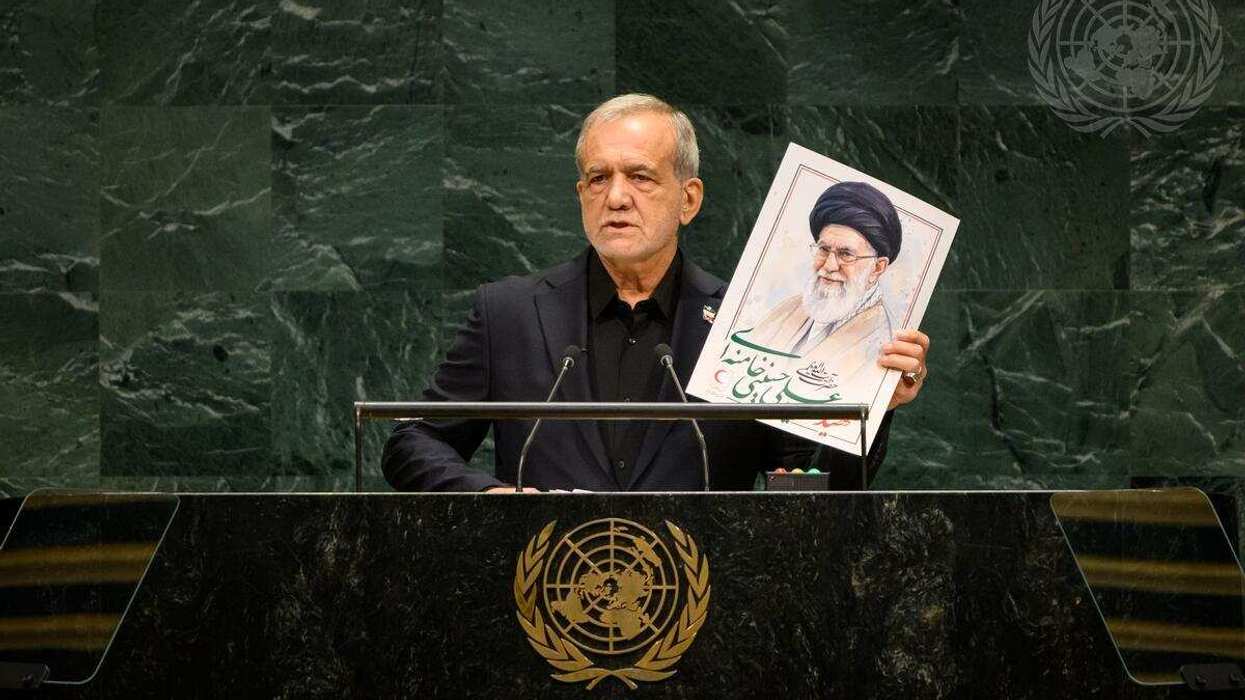
Both the United States and Iran accused the other of violating the truce on Thursday. The US said it thwarted attacks on three Navy ships in the Strait of Hormuz, while Iran accused the US of firing on an oil tanker attempting to pass a US blockade. But US President Donald Trump dismissed the exchanges as a “trifle,” and Iran’s foreign minister suggested today that Tehran does not believe the ceasefire is dead. The two sides are still debating a proposal to reopen the waterway and negotiate a longer-term deal. Will diplomacy work? As Eurasia Group’s Head of Research Jon Lieber argued in a recent episode of “The Debrief,” both Washington and Tehran have strong incentives to negotiate. The war is unpopular for Trump at home, while Iran’s economy is in shambles, and the country is eager to move toward a new status quo.
Venezuelans souring on Don Presidente
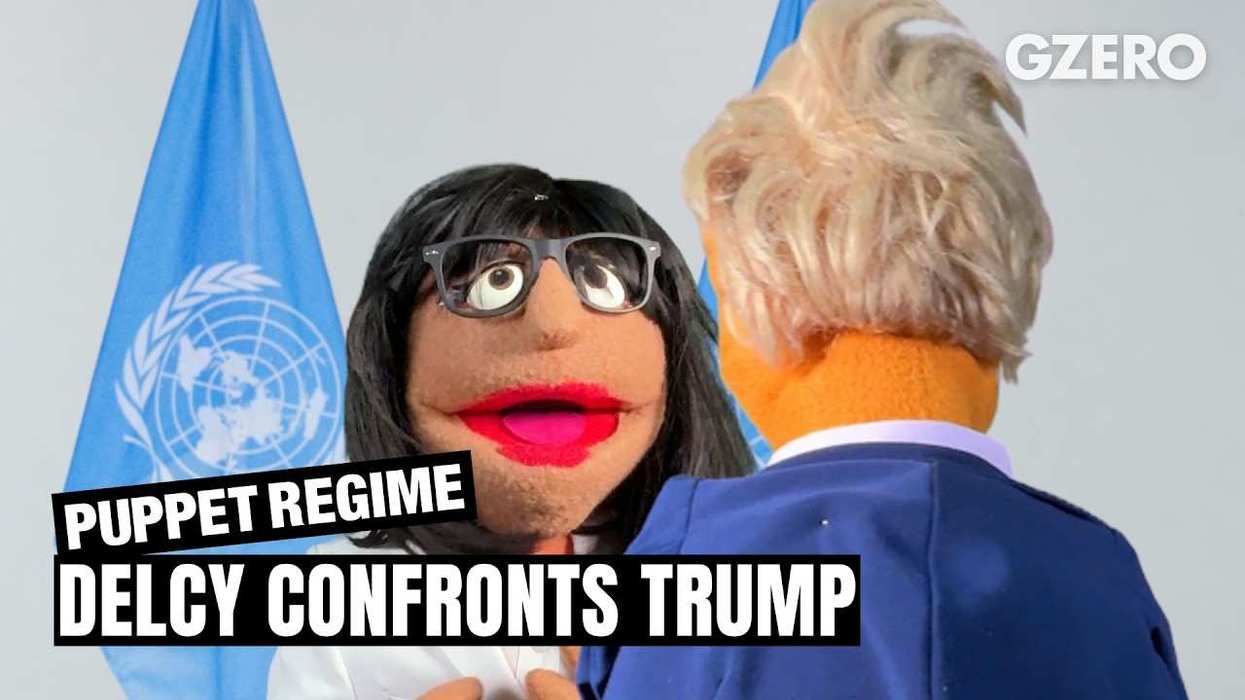
When US forces abducted and deposed Venezuela’s unpopular strongman Nicolás Maduro back in January, most Venezuelans were elated. A study by local pollster Meganálisis showed 92% were “grateful” to the US president. But five months later, that number has plummeted to 47%. Why? The political change that many expected hasn’t materialized. Rather, the US has simply installed Maduro’s former deputy, Delcy Rodríguez, as a modern-day viceroy, advancing US interests in the oil sector but mostly leaving the structure of Maduro’s repressive regime untouched. Nearly 90% of Venezuelans oppose Trump working with Rodríguez like this, and a similar percentage want elections to be held by the end of this year. If they were, the study predicts an overwhelming victory for opposition leader María Corina Machado, whom Trump has so far sidelined.EU blocks funding for Chinese solar tech
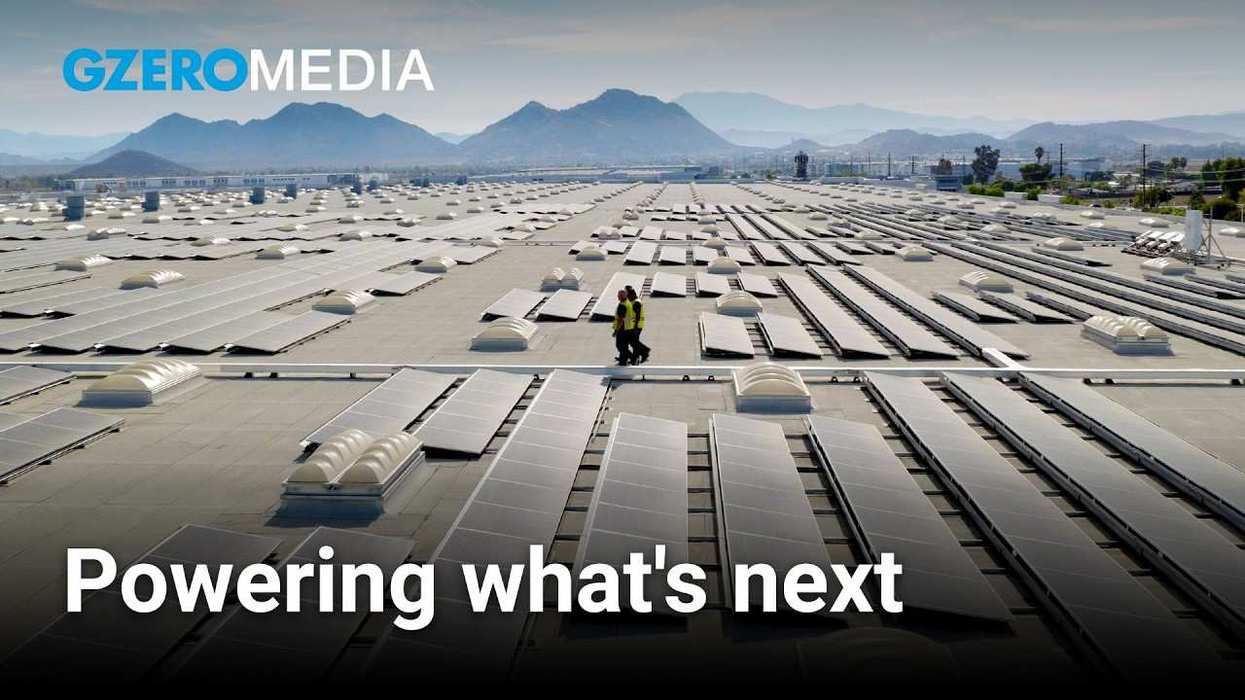
The European Commission this month formalized a decision to block EU funding for projects using Chinese-made inverters, which convert energy from solar panels into electricity. But Brussels fears the technology — which can connect to the internet and be remotely operated — could leave Europe vulnerable cybertattacks and blackouts by rival powers. China denounced the action on Thursday, arguing the EU’s designation of Chinese companies tech giants like Huawei as a “high risk” supplier was made without evidence and will destabilize trust, trade and supply chains. The EU’s decision raises the specter of more restrictions, notably on the import of Chinese EVs, which are effectively banned in the US out of concern for data security and American jobs. Europe currently buys $20 billion of Chinese EVs and hybrids – a third of China’s EV exports – and has already tried to curb their appeal with 35% tariffs imposed in 2024, though they haven’t appeared to be successful.