Trump suspends “Project Freedom” as Iran reviews new peace proposal
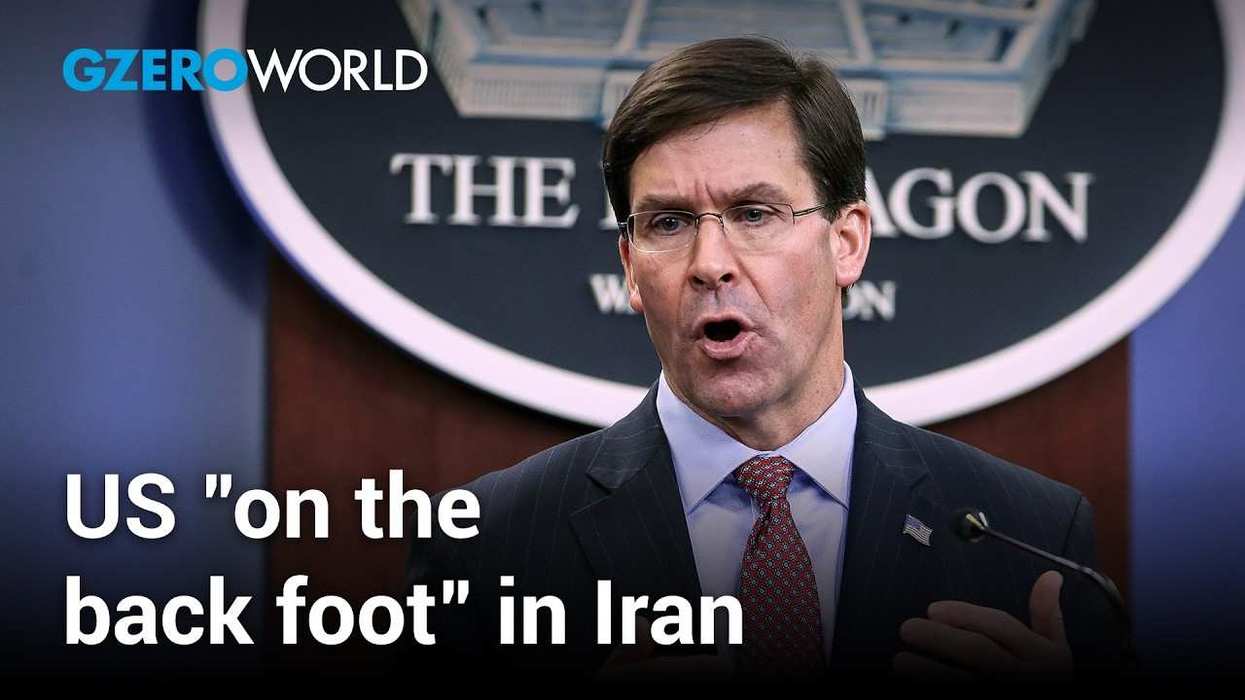
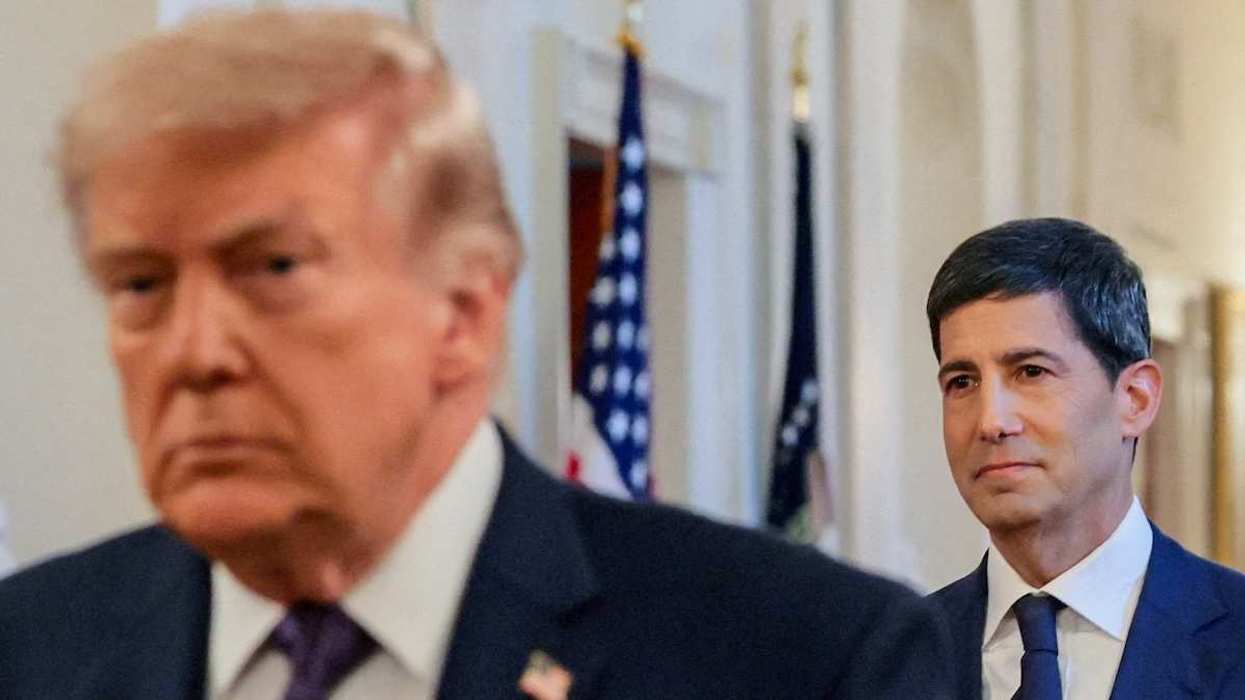
The United States has paused its 72-hour old mission to “guide” ships through the Strait of Hormuz, as Tehran reviews a US-proposal under which Iran would accept some limits on uranium enrichment, the US would lift sanctions, and both sides would agree to reopen the waterway. US President Donald Trump has warned that without a deal the US would attack Iran again “at a higher level” than before. Iran’s Tasnim news agency has quoted an official saying the proposal contains “unacceptable provisions.” Both sides seem confident they have the upper hand, while also facing constraints. Tehran has weathered two months of assault from the world’s most powerful military, but is under growing economic pressure from the US blockade. Trump can maintain that blockade on Iran for a long period of time, but having so far failed to achieve the various stated objectives of the campaign, he appears reluctant to resume a war that is deeply unpopular at home.
US to refresh ties with one of world’s most repressive countries
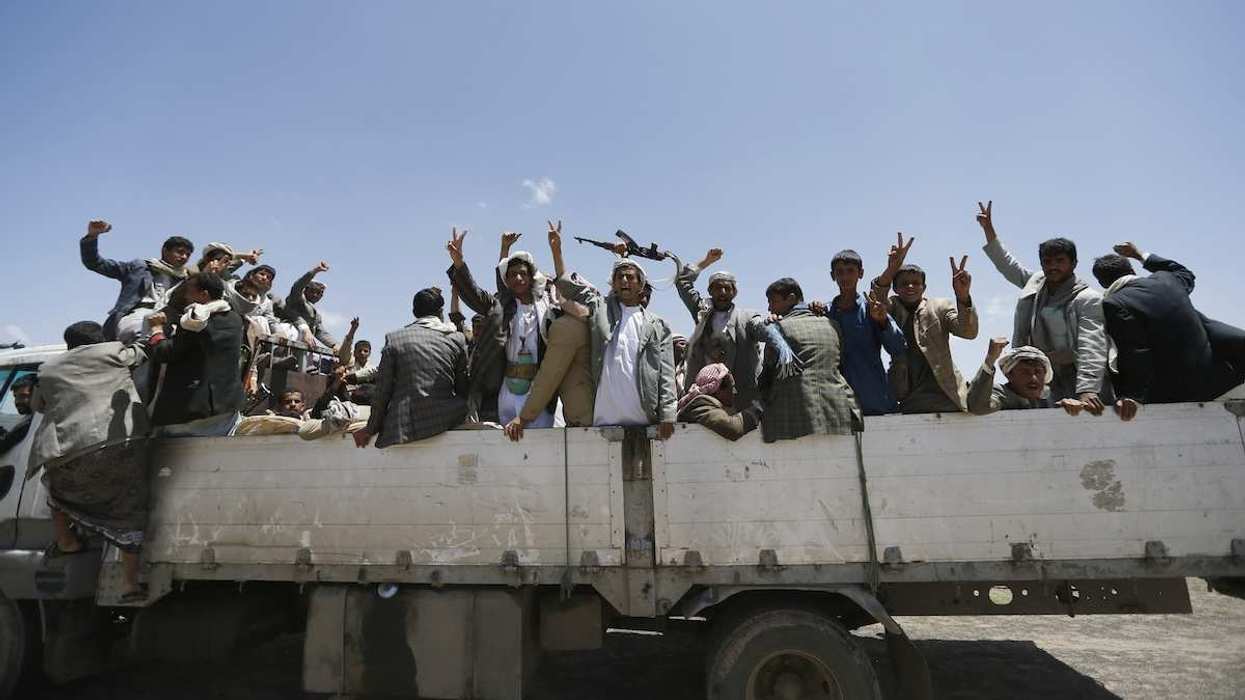
The Trump administration reportedly plans to drop sanctions against the East African country of Eritrea, which is strategically located along the Red Sea. Eritrea has been run by a ruthless military dictatorship ever since gaining independence from Ethiopia in 1993 after a decades-long conflict. In 2021, the US sanctioned Eritrea for entering and committing war crimes in Ethiopia’s more recent civil war. But with the Strait of Hormuz now effectively closed as a result of the US-Israel war with Iran, Washington wants to ensure that the other key Middle East shipping route (which links Europe to Asia via the Suez Canal) stays secure and clear. Eritrea, which borders war-torn Sudan, has roughly 1,000 miles of Red Sea coastline, and is located across the water from US-ally Saudi Arabia and Yemen, which is largely controlled by Iran-backed Houthi rebels.
Political showdown in the Solomon Islands
The Pacific archipelago’s appeals court ordered Prime Minister Jeremiah Manele to reconvene the island’s legislature by tomorrow for a non-confidence vote on his minority government. The Solomons have been gripped by a political crisis since March, when 19 members of Manele’s ruling coalition defected to the opposition over what they characterized as internal divisions and concerns about the government’s direction. One long-simmering issue is China’s influence: it has accelerated under Manele and his predecessor Manasseh Sogavare, who shifted the islands’ diplomatic recognition from Taiwan to Bejiing’s “One China” policy in 2019 and signed a security pact in 2022. This raised security concerns in the US and Australia due to the islands’ strategic location on sea lanes connecting the two countries. If Manele’s government falls, the Solomons will hold elections, though it’s not clear how much Beijing's influence will diminish even if the opposition comes to power, as the coalition includes both pro and anti-China members.