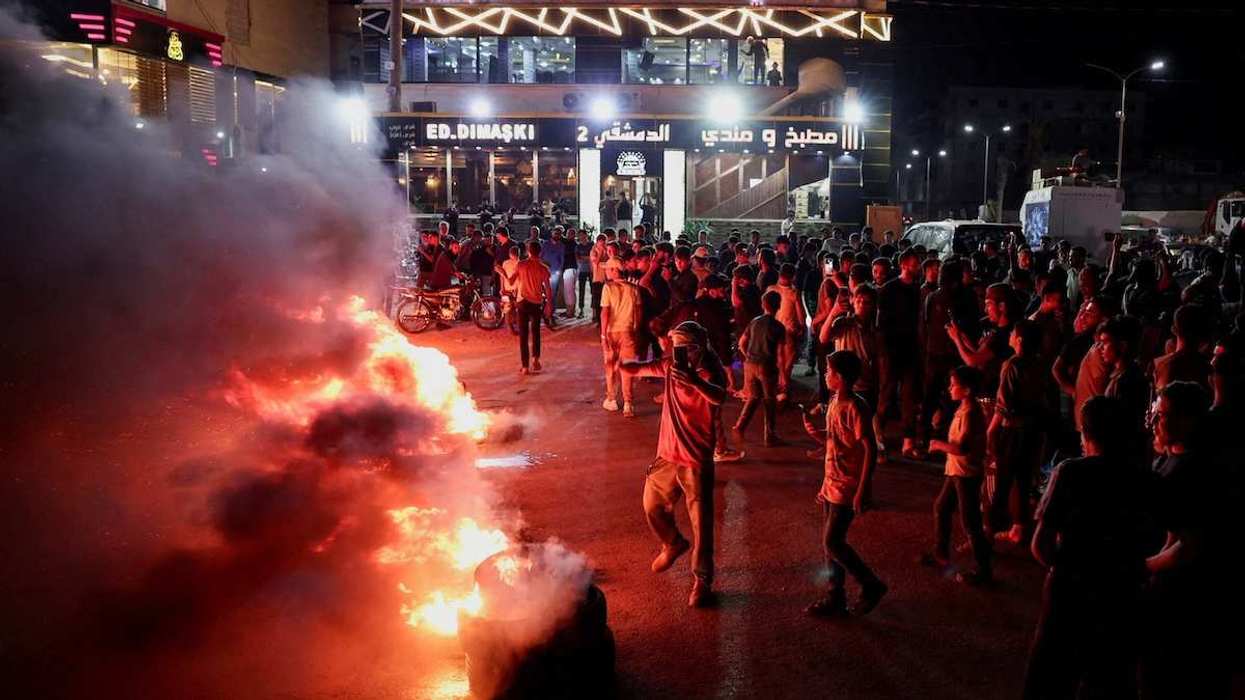
Ian explains that Iran’s swift retaliation in the Strait of Hormuz, including targeting ships and launching drones and missiles at the UAE, wasn’t just about disruption. It was a calculated signal: Tehran is prepared to escalate to keep the strait closed unless a deal is reached, while also deepening divisions among Gulf States.
Ian highlights a growing split in the region. The UAE, aligned with Israel, favors continued pressure on Iran, while Saudi Arabia is pushing for de-escalation and regional stability. “These are very different models,” Ian notes, underscoring how diverging interests are reshaping alliances.
For the US, the options are narrowing. A military response risks broader regional damage, while inaction could fuel further instability and rising oil prices. Ian argues the “least worst outcome” is to wind down the conflict and pursue global negotiations, but he warns that political pressure and sunk costs may push Washington in the opposite direction.
“The likelihood that this ceasefire… breaks down and leads to another round of very serious fighting… looks more likely today,” Ian says.