Russian President Vladimir Putin wants to kill the internet. Well, sort of. Russia is taking steps that would enable the government to unplug the country from the world wide web and fall back on its own, internal Russian network. A Russian agency plans to perform tests on a prototype of the "RosNet" (our coinage) soon.
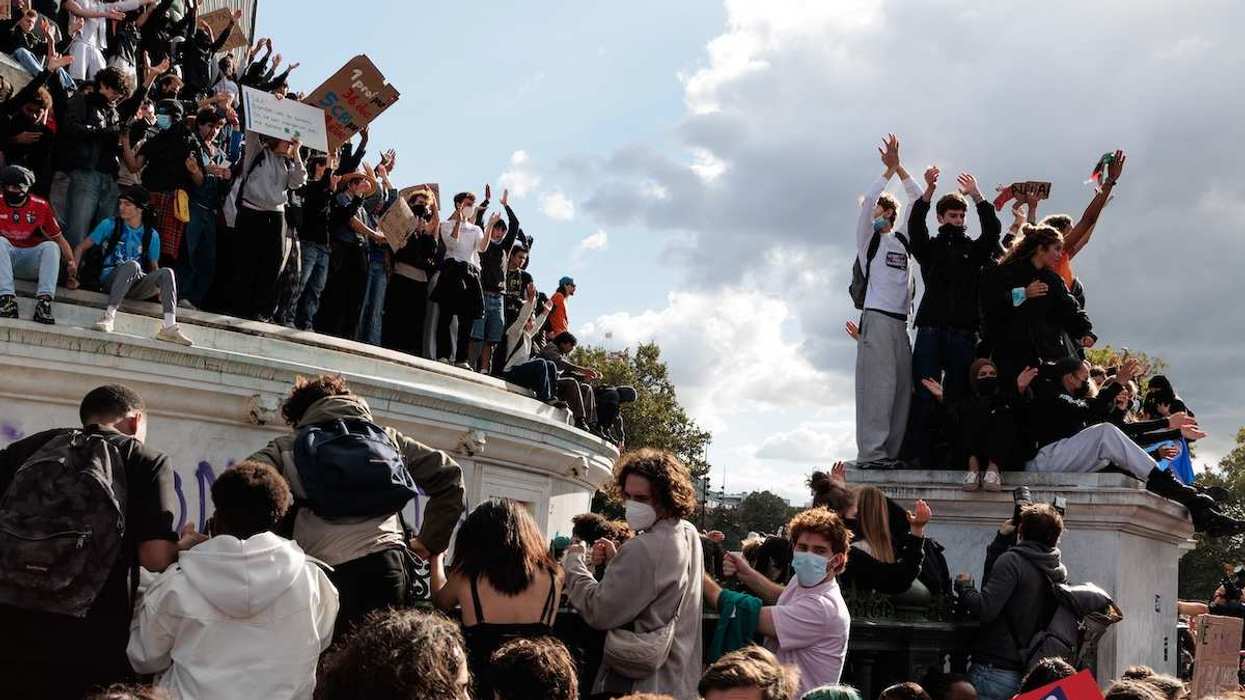
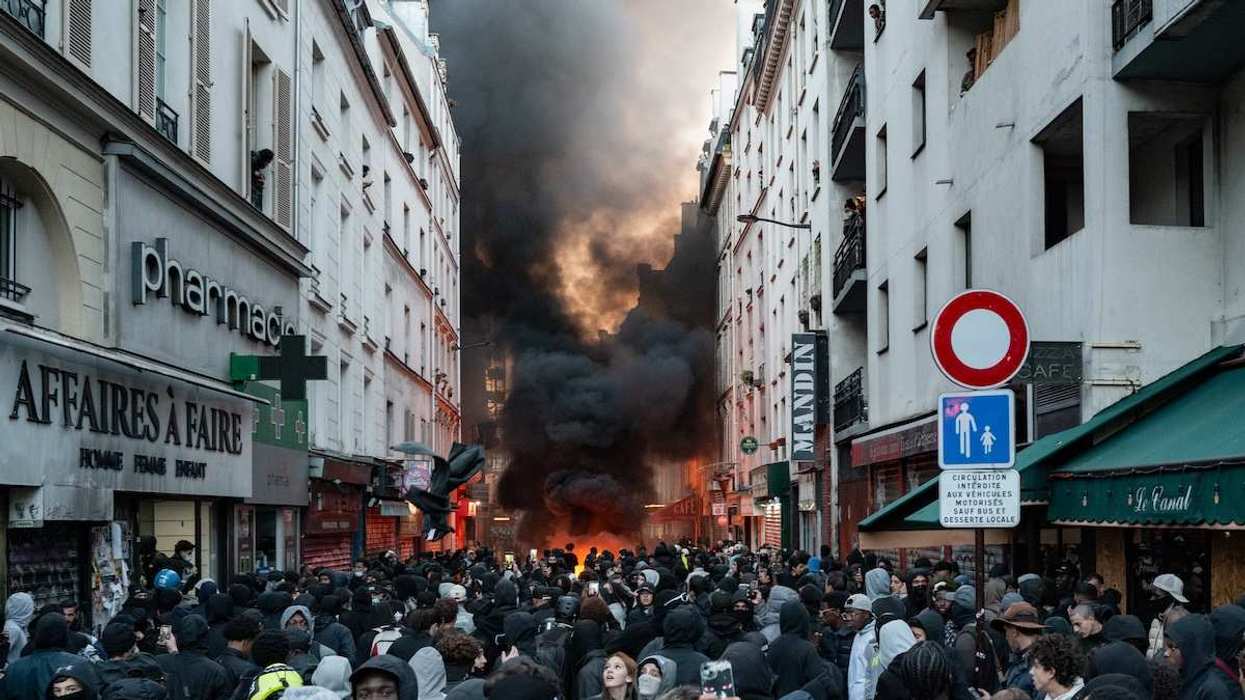
That would be a boon to Vladimir Putin's ongoing bid to tighten control over the online realm, an obsession rooted in the anti-Putin protests of 2011-2012, and the Snowden revelations about massive US online snooping in 2013. The system is meant to be a temporary emergency measure, according to the Russian press – in case of hostile cyberattacks, or serious internal protests.
But Russia's president has a problem: ordinary Russians are accustomed to relatively unfettered access to the global internet. If Putin really pulled the plug during a bout of unrest, or if he tried to clamp down too hard on the global internet in other ways, he could face a popular backlash.
But Russia's experimentation here got us thinking: what are governments' different strategies for controlling cyberspace? Some do it for national security reasons, others are responding to consumer concerns about privacy. In all cases, what governments can and can't do is a product of the prevailing political, technological, and economic forces in their countries.
Here are a few basic approaches we've noticed:
Build your own: That's China's approach. Around 800 million people in the country surf the web, buy stuff and find love over a sanitized version of the internet that's been engineered to block or stamp out information that could threaten political stability or the legitimacy of the Communist Party. That seems to suit China's millions of internet users just fine. It easier to tolerate being disconnected from the global internet when you've already got domestic internet services and apps that are easily as innovative, and in some cases even more influential, than foreign ones. But that's a model that other governments – even technologically sophisticated ones like Russia's – will struggle to replicate.
Cut it off, and damn the consequences: Governments that lack the resources and knowhow to develop sophisticated censorship systems like China's or a backup domestic internet like the one Russia hopes to build still have options for controlling cyberspace. When governments in Cameroon or regional states in India were worried about protests or other social unrest spreading via social media, they just cut the internet off. There are two big problems with this approach: one, it's expensive – and will only grow more so as a bigger chunk of the global economy relies on online connectivity. Two, it's potentially politically explosive: when Egyptian strongman Hosni Mubarak cut off the internet to try to stamp out protests that were being organized on social media during the Arab Spring, it only solidified popular opposition to his regime.
Tighten up the rules, but don't close the road: No country has benefited more from the global internet than the United States, and you won't see the US talking about cutting off US citizens anytime soon. Still, Washington is increasingly concerned about cybersecurity threats and the national security implications of foreign (read: Chinese) equipment suppliers. The Trump administration is more aggressively confronting foreign hackers and trying to push China's huge tech companies out of next-generation 5G networks around the world. The EU for its part, is also trying to assert more government control over the internet, by tightly regulating hate speech and setting stricter rules to protect users' personal data.
Which of these strategies do you think is most likely to succeed in the long run?