A year ago today, Hamas militants shot and paraglided their way out of the Gaza Strip and went on a rampage through southern Israel, murdering more than 1,200 people and taking more than 240 hostages.
The attack set off a geopolitical earthquake in a region that a top US official had described, just a week earlier, as “quieter today than it has been in two decades.”
The noise ever since has been deafening.
Israel responded by unleashing a ferocious air and ground campaign in Gaza that sought to destroy Hamas and liberate the hostages. About half of them have been freed, the majority of those in a prisoner swap deal. Ninety-seven hostages are still in Gaza.
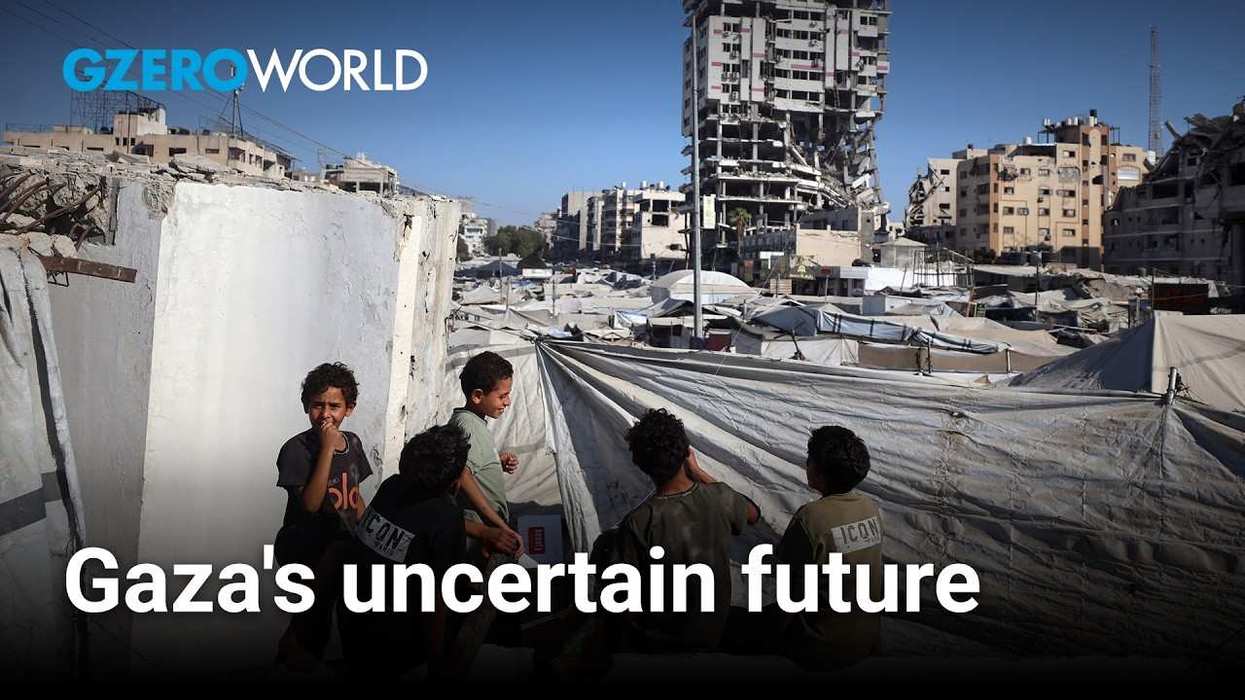
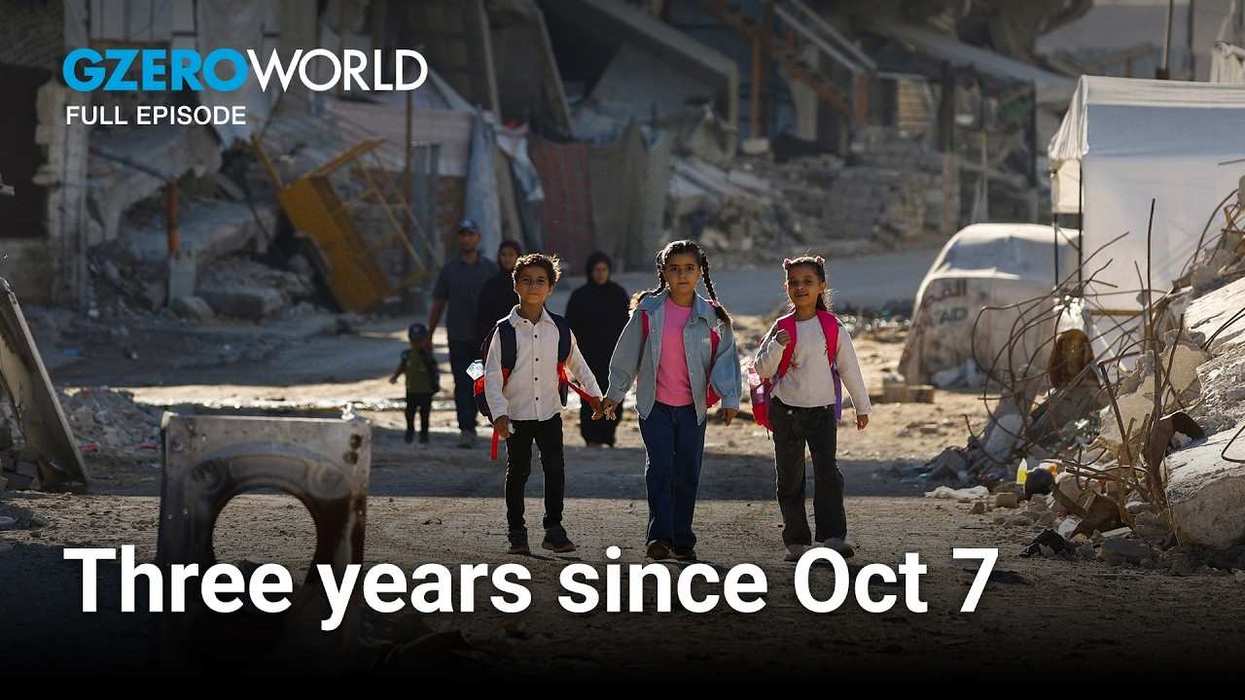
Israeli forces have weakened Hamas as a fighting force in a campaign that has killed more than 40,000 people in Gaza, according to local, Hamas-run health authorities. The dead include thousands of children. Close to two million Gazans, or nearly 90% of the pre-war population, have been displaced from their homes, and Israel has faced accusations of war crimes, including genocide, in international courts.
Meanwhile, months of cross-border clashes with Iran-backed Hezbollah in southern Lebanon have recently escalated – Israel last week assassinated the group’s leader and launched an invasion of Lebanon.
Tensions between Israel and Iran are reaching a crescendo as well. Iran recently fired hundreds of ballistic missiles at Israel, which has vowed to respond, potentially by striking Iranian oil facilities, in a move that could rock oil markets and the global economy.
We take a brief look at how the past year has shaped prospects for seven key players in this story:
1. The Palestinians. Their plight is most certainly back on the global agenda after years of being overlooked as Israel moved toward normalizing its relations with more Arab powers – especially Saudi Arabia – in deals that paid only lip service to eventual Palestinian statehood. Global sympathy for the Palestinian cause has risen, particularly among young people in the West. But Gaza has suffered immense destruction, and the occupation of the West Bank has only deepened over the past year. Support for a Palestinian state among Israelis, already waning in recent years, has plummeted, while the forces most hostile to that outcome in Israel are on a roll these days.
2. Benjamin Netanyahu. Before Oct. 7, 2023, the Israeli prime minister was on the ropes, facing corruption trials and mass protests over his judicial reforms. Then, the biggest massacre of Jews since the Holocaust occurred on his watch, cratering his support further. For months, he seemed to be on borrowed time, an unloved leader kept in power only by Israelis’ reluctance to change horses in mid-war. He faced criticism at home over failure to secure the release of more hostages, but also from far-right ministers who wanted to see even harsher reprisals in Gaza. Shifting the focus to defeating longtime foe Hezbollah, a policy 90% of Israelis support, has paid dividends: He is rising in the polls again. Just how far an emboldened Netanyahu is willing to go now is a big question in a region on fire.
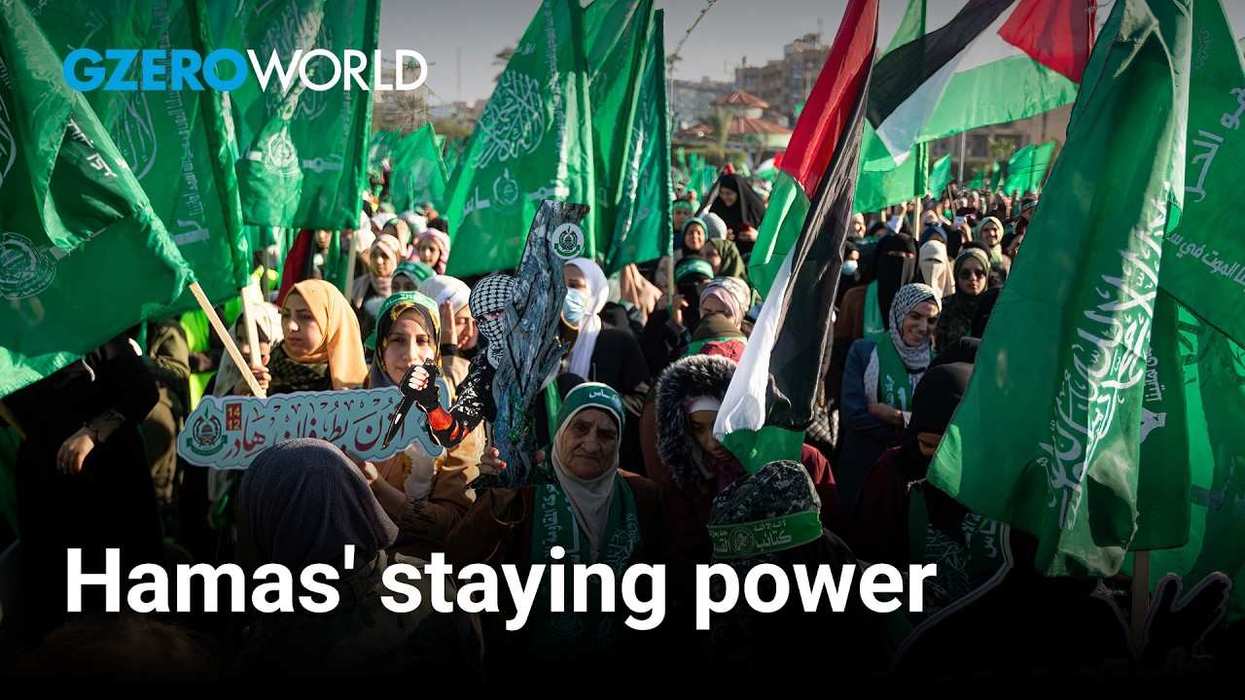
3. Hamas. The terror group has lost thousands of its fighters and two of its most senior officials over the past year. Hamas leader Yahya Sinwar may still be alive, likely confined to a tunnel beneath the rubble of Gaza. Still, he miscalculated if he thought that global pressure would force Israel to negotiate a cease-fire, or that Hezbollah’s attacks on Israel from the North would cause Netanyahu to ease up on Gaza in the South. Still, it’s hard to imagine that the idea of Hamas, as an ideology of armed resistance against Israel, has been defeated, especially after the destruction that the IDF has visited upon the Palestinians over the past year. Over the next year, it will be crucial to see if the remainder of Hamas can shape any aspect of a post-war Gaza and whether it reconstitutes itself in any way.
4. Iran. Did Iran miscalculate too? Surely in the days after Oct. 7, Tehran didn’t expect that a year later Israel would be going on an offensive like this, smashing Iran’s No. 1 proxy in the region (Hezbollah) and mulling a major strike on Iran itself. That puts Iran in a tricky spot. As the leader of the “axis of resistance” against Israel, it has to keep resisting via its proxies. But with those proxies getting rolled up by Israel now, “Iran is exposed,” says Cliff Kupchan, head of research at Eurasia Group. “Iran misjudged power dynamics and sentiment in Israel. The IDF killed Nasrallah and severely degraded Hezbollah. Iran’s forward deterrence is gone.” That, he says, means Iran is likely to lean more heavily into its nuclear program now. That program, of course, is something Netanyahu is famously eager to try to destroy.
5. United States. The Biden administration has been largely unwavering in its rhetorical, military, and financial support for Israel, although it has also occasionally angered Israel and Israel supporters by pushing – ineffectively – for a cease-fire, or by raising concerns about the civilian death toll in Gaza. Partisan splits over Israel’s action in Gaza won’t be central to the upcoming presidential election – it will be decided by concerns about the economy, abortion access, and immigration. But the issue could affect the vote at the very margins, with some progressives and Arab-American voters in key swing states pledging not to vote at all in protest of the Biden administration’s support for Israel. The outcome of the election itself will matter on the ground: Kamala Harris and Donald Trump are both strong supporters of Israel, but Trump would give Netanyahu a much freer hand in dealings with the Palestinians, with Hezbollah, and with Iran.
6. Russia. It certainly hasn’t hurt Vladimir Putin to see so much of the world’s attention drawn away from his invasion of Ukraine. And to the extent that the US gets wound into an intractable conflict in the Middle East, so much the better from his perch, especially if regional jitters push up oil prices. But the Kremlin has to be careful. If Israel severely weakens Hezbollah, it could shake things loose in Syria, where the group’s fighters are a major ground force for Russia’s protégé, Bashar Assad. And if a wider Israel-Iran war erupts, Moscow could get drawn more deeply into a messy situation than it likes – after all, Putin’s already fighting a war of his own closer to home.
7. The Arab world. Popular opinion is strongly critical of Israel and the US. That has been a particular challenge for regimes in Egypt and Jordan, which have peace treaties with Israel and are close partners of the US. In Jordan, for example, even in a recent tightly controlled election, Islamist opposition parties that support Hamas surged in the polls. Saudi Arabia, arguably the preeminent Arab power now, is warily watching as Israel-Iran tensions escalate. Saudi Arabia and Iran are longtime rivals, but ties have been improving recently, and Riyadh has no interest in a wider war as it tries to move ahead with an ambitious domestic economic and social modernization drive. But Israel may yet have other ideas.