Anti-immigration protests hit Northern Ireland
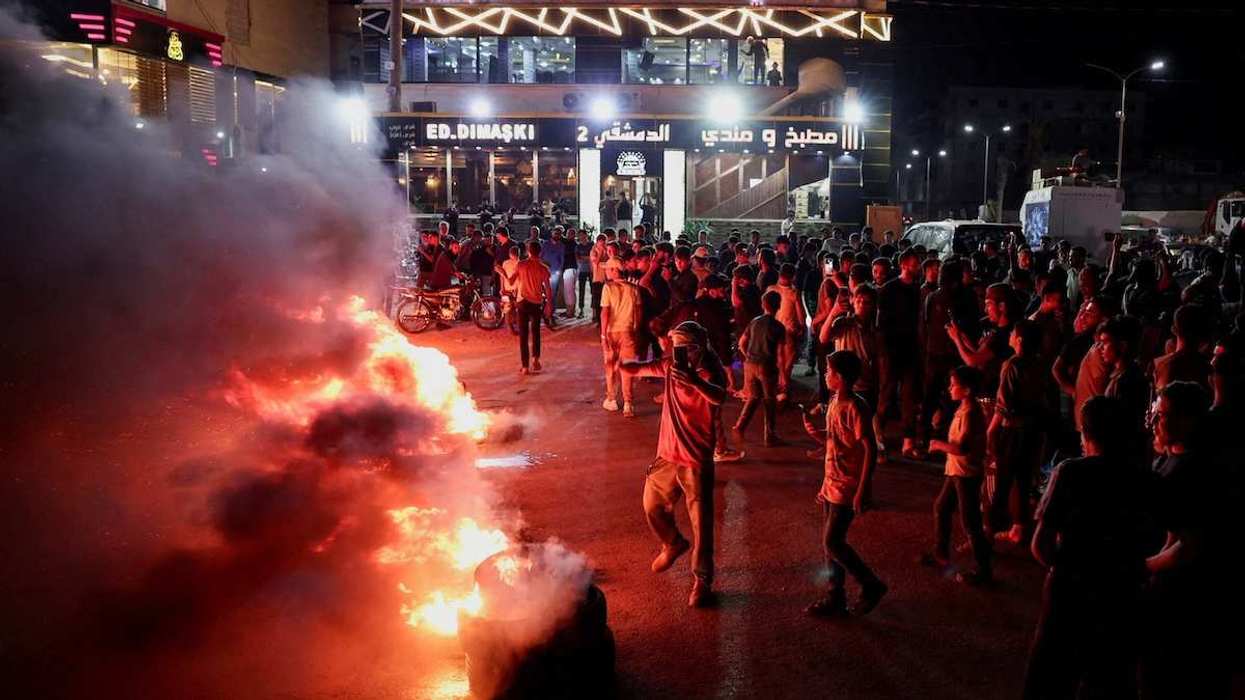
Violent demonstrations swept through Belfast last night following the stabbing of a local man on Monday, allegedly by a Sudanese asylum seeker. Protesters torched cars, targeted and raided immigrant‑owned businesses, and chanted “foreigners out” as they marched across the city. Authorities confirmed on Tuesday that the suspect had been granted permission to reside in the United Kingdom in 2023, but the announcement did little to calm tensions. The unrest was spurred on by several anti‑immigration figures, including far‑right Reform UK leader Nigel Farage. Northern Ireland is the least ethnically diverse region of the UK, with only 3.4% of residents belonging to minority communities, but migration has ticked up modestly in recent years. Last night’s violence marks the latest flashpoint in a growing wave of anti‑immigration sentiment within the UK, following recent protests in Southampton after the stabbing of a college student.
US-Iran ceasefire wobbles
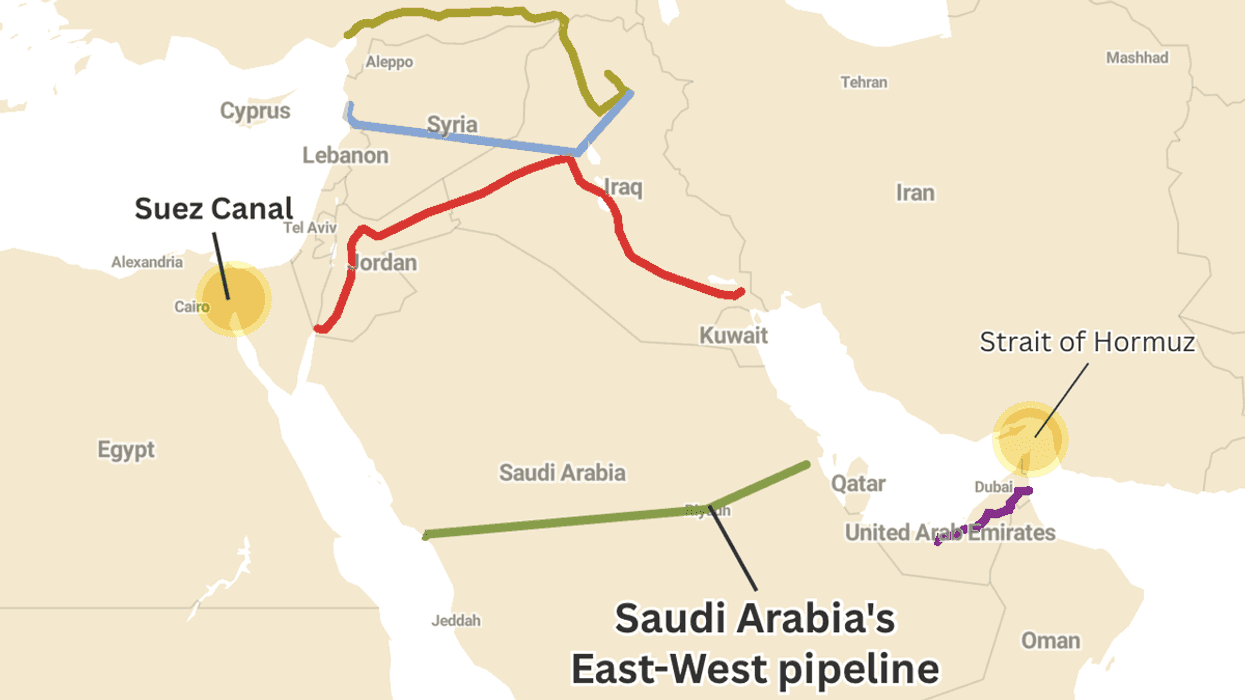
The US and Iran traded strikes again on Tuesday and into early Wednesday, undermining President Donald Trump’s claims that the two sides are “close” to a deal. It started with Tehran downing a US Apache helicopter on Tuesday near the Strait of Hormuz. Washington responded by striking Iranian air defense systems and radar sites. In turn, Iran’s Islamic Revolutionary Guard Corps said it launched strikes at US bases in Jordan and Bahrain. Kuwait’s army also intercepted an attack. For now, each side is refraining from a return to larger hostilities, but the strikes — as well as Israel’s continued strikes against Hezbollah in southern Lebanon — don’t bode well for reaching a deal to end the conflict soon.