Germany and EU to hit back at Russia over drone plot
The German government has formally accused Russia of orchestrating a failed drone attack at Leipzig airport last month. The drone, which approached a cargo plane that was taking weapons to Ukraine, failed to explode as planned. In response, Berlin will shrink Russia’s diplomatic presence in Germany and tighten visa restrictions. The EU, meanwhile, will hold a special meeting on countering increasing instances of Russian “hybrid warfare” and sabotage in Europe. Moscow denied the accusations and said it was “an unprecedented escalation in Russian-German relations.” Rising Berlin-Moscow tensions create an awkward split-screen inside Germany, as the Moscow-friendly rightwing populist AfD party, which is strongest in eastern areas of Germany that were once under Soviet domination, holds a commanding polling lead in two of the three key German local elections coming up this month.
Burnham sets out plan as PM
Britain’s new Prime Minister Andy Burnham on Tuesday addressed the House of Commons (the UK’s lower house) for the first time since taking power. In the speech, he set out his vision for his term, and blamed Brexit, deindustrialization, and the 1980s privatizations under PM Margaret Thatcher for the country’s current economic malaise. He called for reclaiming public control of services and utilities, decentralizing political power, addressing the climate crisis, and increasing defense spending, while also introducing measures to ease the cost of living. Despite being one of the UK’s most popular politicians (46% of Britons have a favorable opinion of him), he will quickly face tough tradeoffs as he seeks to advance an ambitious agenda without blowing out the budget. The global bond selloff is already reducing his room to issue more debt, and he’ll be in trouble fast if he reverses his predecessor’s pledge not to raise income taxes.
US and Iran trade big blows again
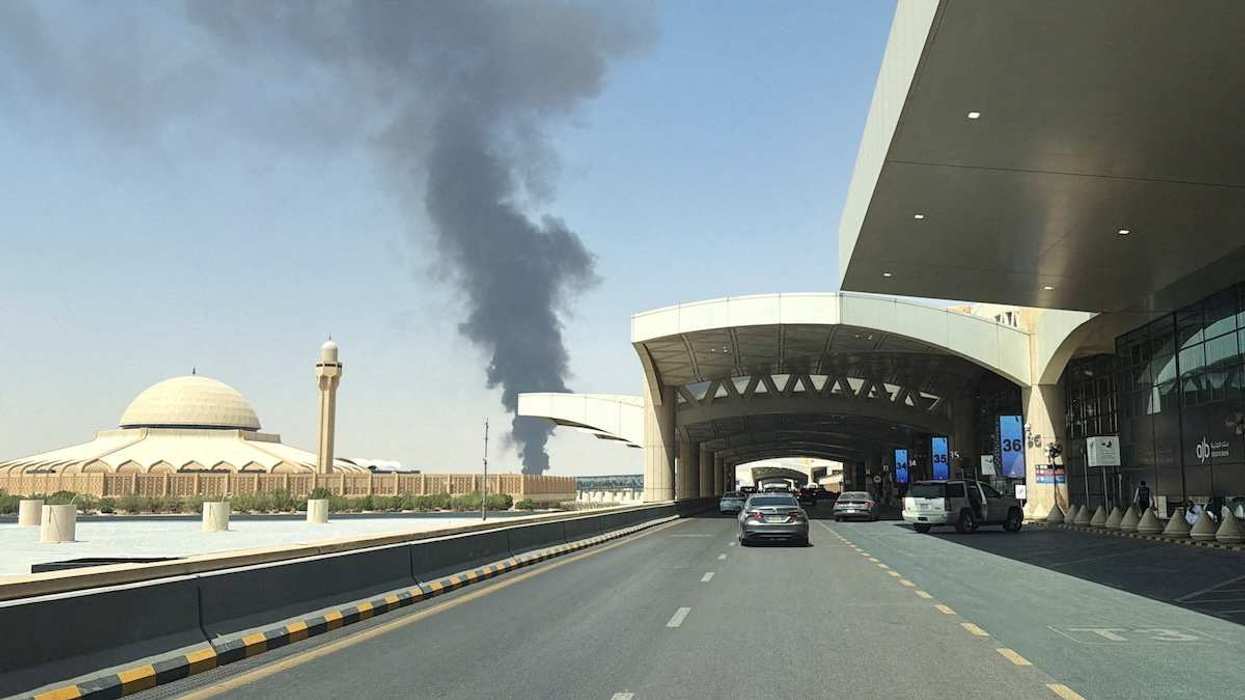
The US and Iran traded blows overnight in their biggest escalation since July. Iran launched missiles at US targets across the region while Tehran said a US strike had hit a wedding in Hormozgan province in southern Iran. Just last week, President Donald Trump said Washington would prioritize economic pressure to force Tehran back to the negotiating table, but Iran, which has signaled it believes it can wait out Trump’s presidency, has not moderated its positions since. Despite signing a memorandum of understanding in June, which envisioned a deal to reopen the Strait of Hormuz as prelude to a wider deal on Iran’s nuclear program and regional posture, the two sides remain deadlocked. Trump wants to reopen the Strait of Hormuz to ease inflation ahead of the midterms, but is reluctant to fully resume a deeply unpopular war. Iran seeks to avoid full scale war again, but wants to preserve its critical strategic hold over Hormuz.