Iceland votes on restarting EU accession talks
Polls remain tight as Iceland holds a referendum tomorrow on whether to restart EU accession talks. Membership has long been a divisive topic on the island, which gained independence from Denmark in 1944 and remains fiercely protective of its sovereignty. During previous talks, the bloc’s fisheries policy, which grants EU members access to each other’s waters, was a major sticking point: fisheries were worth around $8.8 billion in 2023, roughly a fifth of Iceland’s economy. But many Icelanders have a new concern. Threats from US President Donald Trump to annex Greenland, which he has previously confused with Iceland, revived interest in joining the union thanks to its shared defense agreement, as well as hopes that joining the Eurozone might help stabilize Iceland’s high cost of living. Unlike a Brexit-style vote, the referendum isn’t a final decision. Prime Minister Kristrún Frostadóttir characterizes voting “yes” as the chance to find out what kind of deal Iceland can get. Final terms would also be voted on by Icelanders.
Vaccines land in the DRC as outbreak continues at record pace
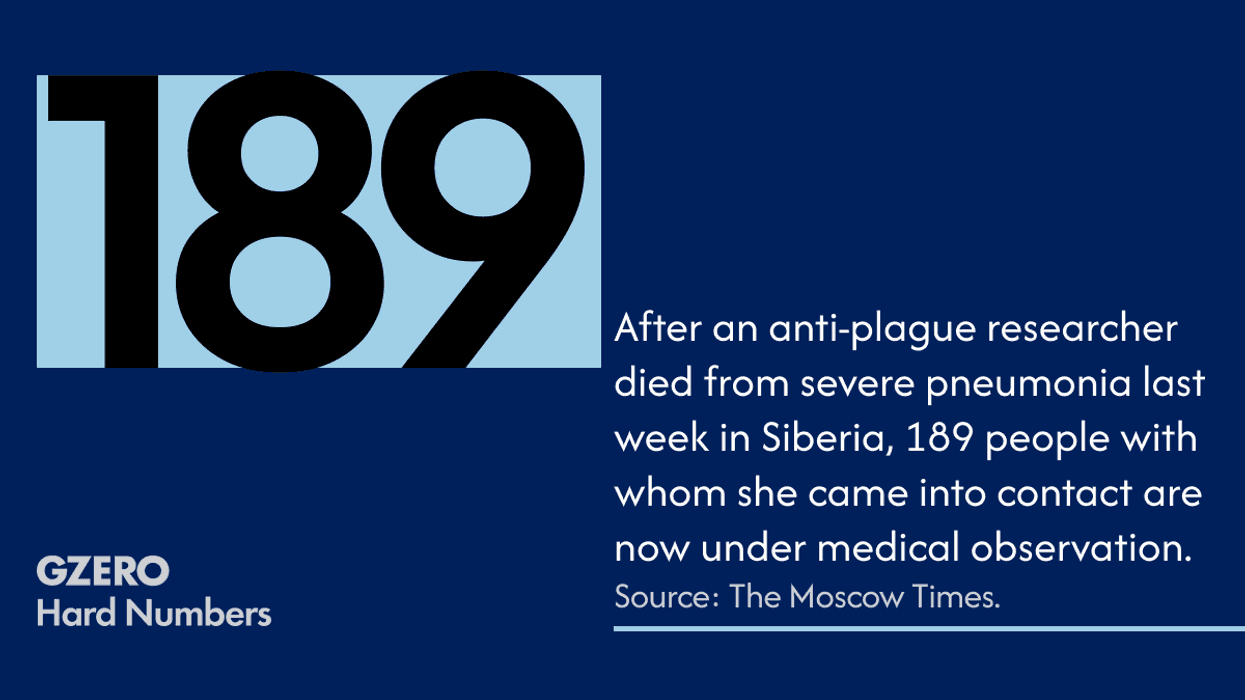
Vaccination efforts against the rapidly spreading Ebola outbreak in the Democratic Republic of the Congo kicked off on Thursday. The World Health Organization has approved 70,000 doses of the Ervebo vaccine, which was used during the 2014 to 2016 West African outbreak. While the vaccine has proved effective against Ebola in the past, it’s unclear how well it will work against Bundibugyo, the rare strain of Ebola driving the current outbreak. Of the available doses, 50,000 will be reserved for first responders and healthcare workers, while the remaining 20,000 will be used in a clinical trial to assess the vaccine’s effectiveness against the new strain. The stakes are high: The outbreak, already the deadliest the DRC has ever seen, is on pace to become the deadliest in the entire history of the virus, with the country reporting 2,744 deaths so far.
US aiming for direct stakes in Venezuela’s oil
The Trump administration has been angling for the US to take ownership of Venezuela’s oil reserves, according to a new report by Axios. Venezuela holds the largest proven oil reserves of any country on earth, though the oil is heavy and especially difficult to refine. The report doesn’t detail the precise mechanism of control — would Washington own the oil directly or perhaps create a consortium with public and private companies? The arrangement reportedly would last for 100 years and would vastly increase US energy security. But it could generate significant backlash from Venezuelans. There is little precedent for the government of one sovereign country to directly own the oil resources of another. (One close parallel is what the UK did in Persia in the early 20th century.) US Energy Secretary Chris Wright may be in Caracas as soon as next week to announce a deal.