Catastrophic flooding in Nepal tests its young, new leader
A massive wall of mud and rock crashed into a river along Nepal’s Himalayan border with Tibet on Wednesday, triggering catastrophic flooding that swept away bridges, destroyed buildings, and swamped roads. Over 300 people were killed, and over 1,000 remain missing – including hundreds of foreign tourists – with officials warning that the death toll is likely to rise. The disaster poses a daunting recovery challenge for Nepal, one of Asia’s poorest and slowest-growing economies, which is already struggling with high fuel costs driven by the war in Iran. It is also a major test for Balen Shah, the country’s 36-year-old prime minister, who took office just five months ago after a wave of Gen Z frustration with the political establishment. Shah is visiting Nuwakot, one of the hardest-hit districts, today, and floods will be an early marker of whether his political appeal is matched by his ability to steer through a crisis.
President and VP infighting threatens Tanzania’s political stability
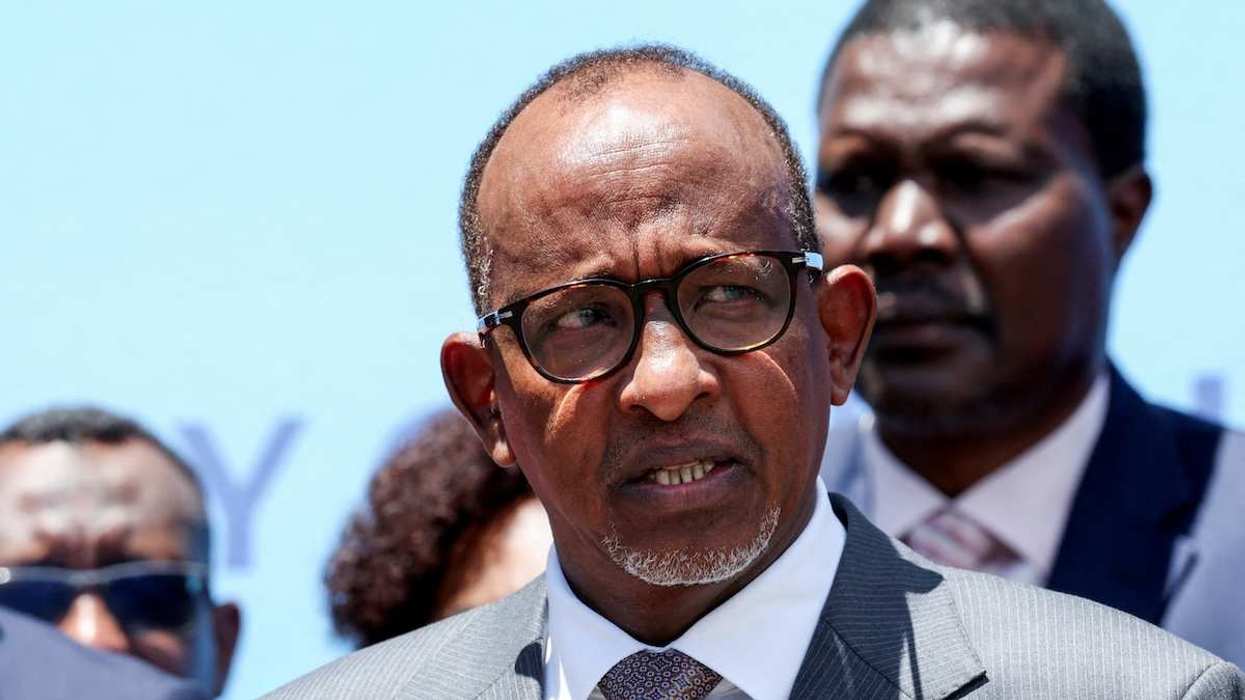
Tanzania’s reputation for political stability is being tested after former Vice President Emmanuel Nchimbi, who resigned earlier this week, was expelled from the ruling party in an apparent act of retaliation. Nchimbi stepped down amid continued fallout from President Samia Suluhu Hassan’s contentious election victory last October. Her government was accused of using security forces to suppress protests over the jailing of her main rival, Tundu Lissu, and 518 people were reportedly killed in the violence. Tensions between Nchimbi and Hassan’s ruling Chama Cha Mapinduzi (CCM) had escalated in recent weeks after he urged Tanzanians to “fight for a new constitution.” Tanzania is regarded as one of the most politically stable countries in East Africa and technically has a multiparty democratic system. In practice, the CCM and its predecessor have governed continuously since independence in 1961 and lacks strong opposition. Infighting within the CCM is rare, and human rights experts say the government is sliding towards repressive tactics.
With center caving, France holds first presidential debate
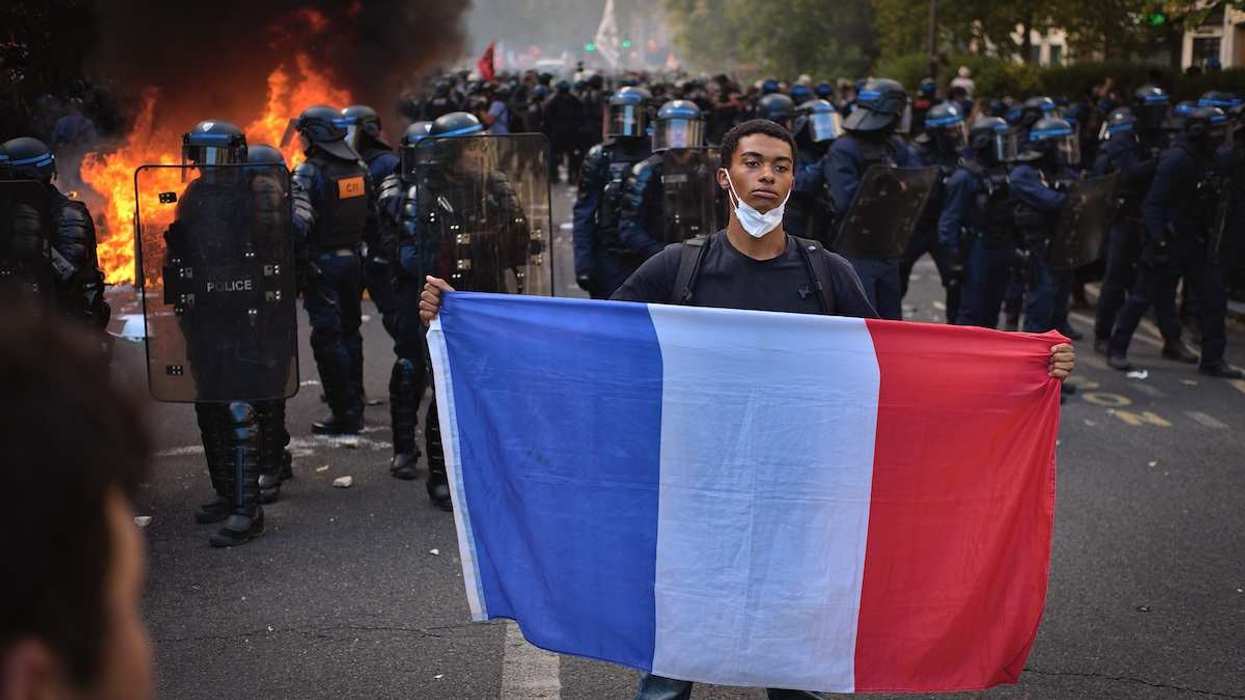
The country’s seven leading presidential hopefuls will answer questions about the economy today at the first debate ahead of the 2027 vote. The key issue? How to rein in France’s spiraling budget deficit and revive an increasingly moribund economy. Business-friendly centrists are flailing in the polls, which show right-winger Marine Le Pen with a commanding lead at nearly 40%, while far-left candidate Jean-Luc Mélenchon, at 16 to 17%, is increasingly likely to make it to a runoff against her. In most scenarios, Le Pen wins in the end. Tonight’s debate comes against the backdrop of Mélenchon’s popular call for the European Central Bank to stop receiving interest payments on its holdings of French sovereign debt, a plan which has spooked foreign investors in the EU’s second-largest economy.