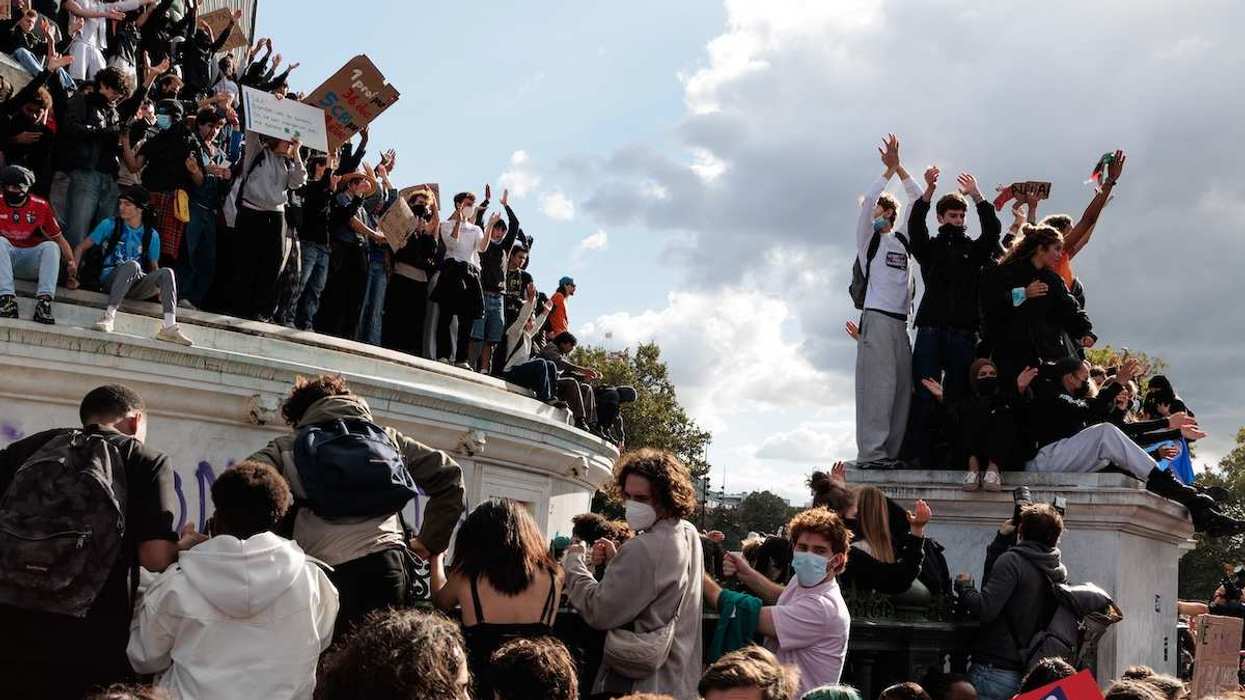
Belarus' post-election fire rages on: At least one person has died and over 2,000 have been arrested in violent protests that erupted in Belarus after strongman President Alexander Lukashenko claimed victory with about 80 percent of the vote — results deemed fraudulent by international governments. The opposition claims Sunday's election was rigged — as has regularly been the case in the country since Lukashenko, dubbed "Europe's last dictator," took over in 1994. Lukashenko, who some young people refer to as "Psycho 3%" for his denial of the coronavirus and low (unofficial) approval ratings, has shut down the internet and is blaming Russian agitators for the protests amid a recent fallout with Vladimir Putin, his long-time ally and fellow strongman. Putin wants to keep Belarus in Russia's sphere of influence and is wary of the country getting closer to his rivals in Brussels. Meanwhile, Svetlana Tikhanouskaya — the political unknown wife of a jailed opposition blogger who has defied Lukashenko's tight grip on power — has fled the country and is now in Lithuania. As the situation remains in flux, it's unclear how stability could return to Belarus anytime soon.
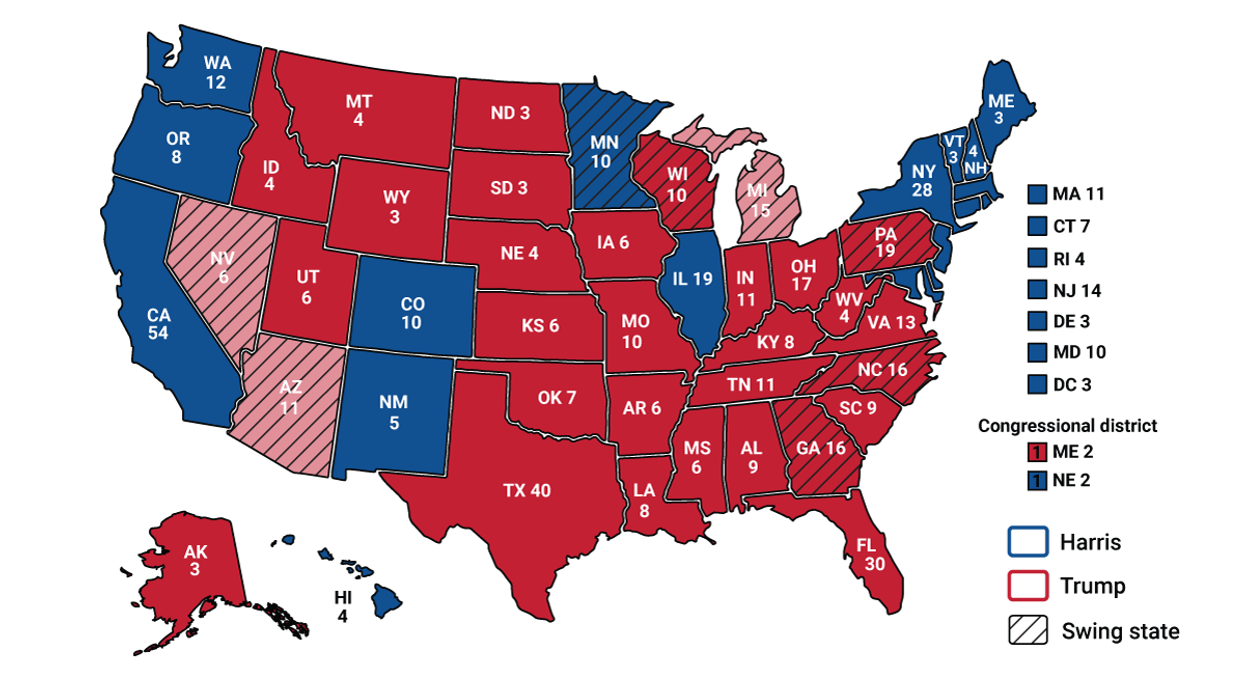
Kamala's the one: Democratic presidential nominee Joe Biden finally unveiled his choice for VP on Tuesday: California Senator and former California Attorney General Kamala Harris. The daughter of immigrants from Jamaica and India, Harris is the first Black or Asian-American woman to be on a US presidential ticket. The choice of Harris, who is perceived as a relatively middle of the road Democrat, shows that Biden is banking on winning the White House by attracting moderates and independents rather than playing for the more progressive vote, which may be suspicious of Harris because of her prosecutorial record as San Francisco district attorney. Is Biden right? As the campaigns enter the homestretch we are about to find out.
Bolivia at a standstill: Protesters aligned with Bolivia's former leftist leader Evo Morales, ousted last year by the military, have taken to the streets in recent days calling for an immediate election. Supporters of Morales' Movement for Socialism (MAS) party have set up roadblocks and clashed with authorities because they say the country's right-wing caretaker government, led by Jeanine Áñez, is using the COVID-19 crisis to stall elections scheduled for September 6. Áñez, who has increasingly cracked down on indigenous voters that form the bulk of Morales' base, now says that fresh elections will be held on October 18, but angry demonstrators — many of whom presumably participated in last year's protests after Morales' ouster that gripped the country — show no signs of backing down. Bolivia is already plagued by recession, deep political division, and an under-resourced medical system crippled by a massive COVID caseload. Áñez, meanwhile, says that roadblocks are preventing ambulances from reaching hospitals and that she will use force to crack down on protesters. Critics, on the other hand, say that protesters are in fact clearing the way for ambulances and trucks carrying supplies. We'll be watching this combustible situation in the days ahead.