On Tuesday, a major US intelligence report said the top threat to America right now is China. A day later, John Kerry, the Biden administration's "climate czar," got on a plane to... China.
Such is the drama of ties between the world's two largest economies these days.
Kerry is the first high-level Biden administration official to set foot in the country. He does so just a week ahead of a major global "climate summit" that his boss is hosting, and a month after top Chinese and US diplomats spent a day trashing each other in Alaska.
This is the peculiar challenge of a rapidly deteriorating US-China relationship. On the one hand, it's no secret that Beijing and Washington are at odds over a lot of issues: technological rivalries, human rights, Taiwan, Hong Kong, and the South China Sea.
On the other hand, both sides know that any serious plan to avert a global climate catastrophe requires cooperation between the world's number one polluter, China, and the US, which is number two.
What's more, time is running out: at the moment the world is hurtling towards a temperature rise of 3 degrees over pre-industrial averages. Far above the goal of 1.5 degrees that scientists say will avert the worst effects of the warming.
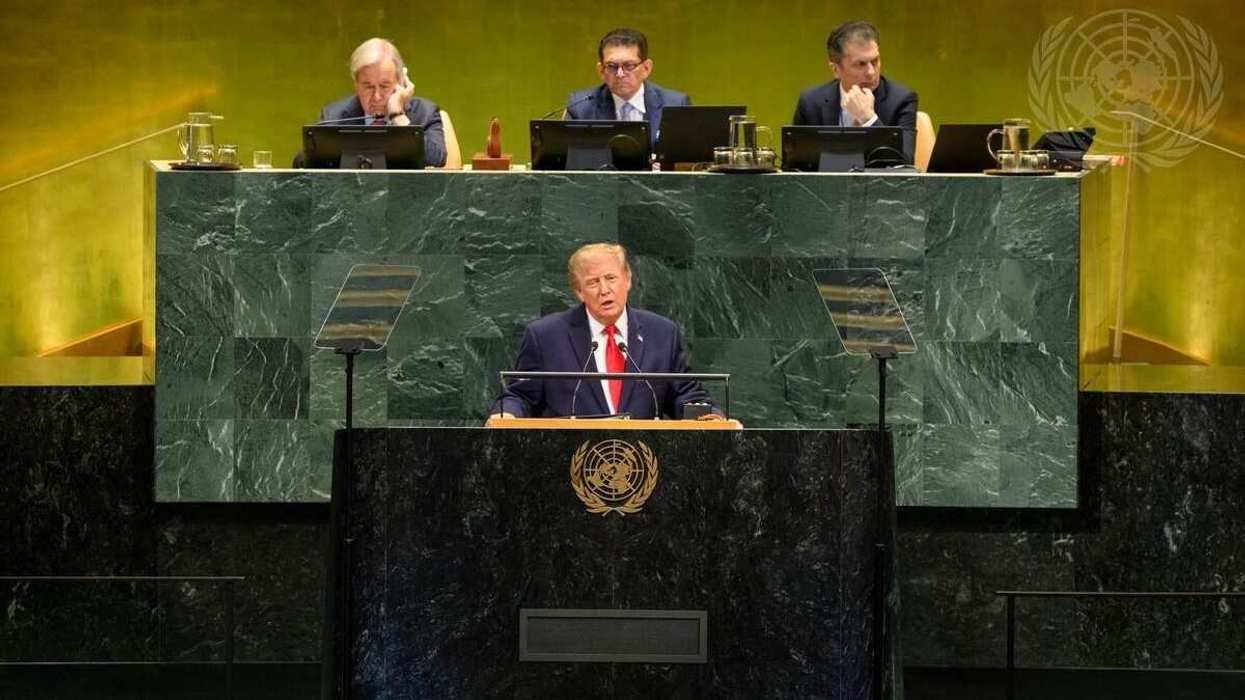
The good news is, climate change is a big deal for both sides. The Biden administration has made climate "an essential element of U.S. foreign policy and national security." One of the president's first moves after taking office was to rejoin the Paris Accords, which his predecessor, Donald Trump, had ditched.
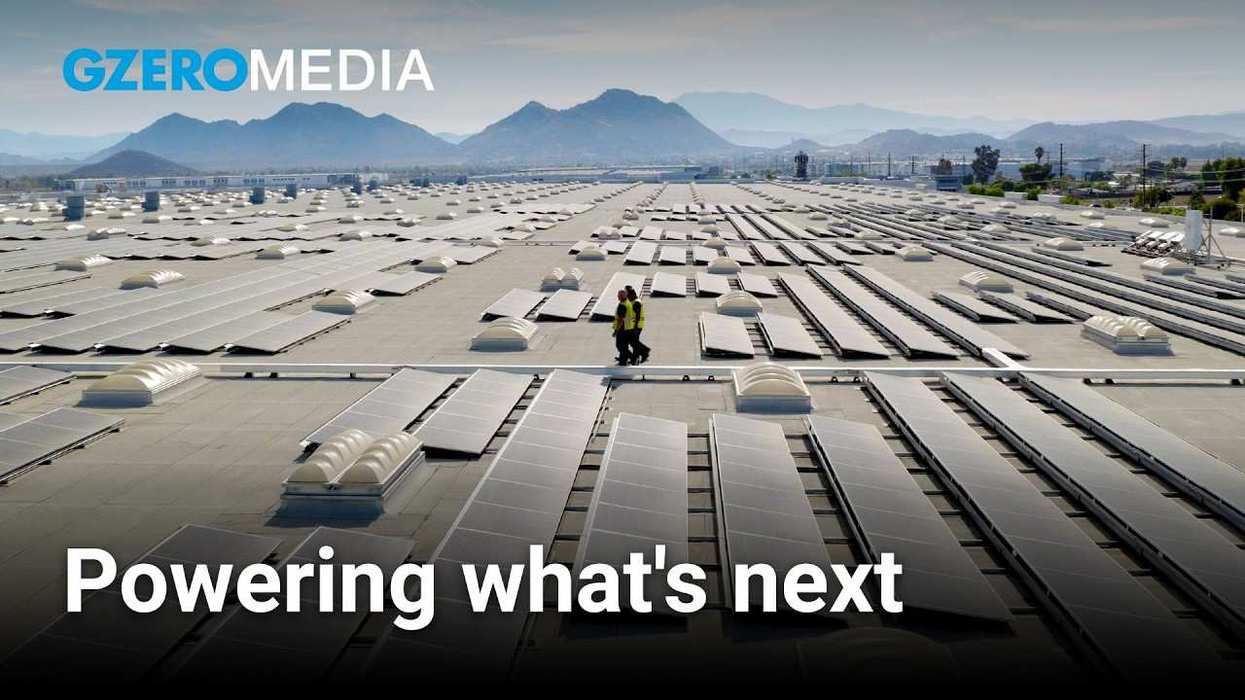
Meanwhile, although China continues to build lots of coal-fired power plants, it's also become a global leader in renewables like solar power and electric vehicles. Last fall, Beijing pledged to hit peak carbon output by 2030, and to reach carbon neutrality by 2060 (meaning its carbon emissions will be offset by equal amounts of carbon capture, either naturally or through technological means.)
So when Kerry walks into the room today, what is each side looking for?
The US wants China to show up. At a basic level, John Kerry wants China to attend his boss's climate summit next week. So far, the invitation has been languishing in Xi Jinping's inbox while Beijing decides what it has to gain or lose by attending a US-hosted climate event. Second, Kerry wants the Chinese to provide more detail on precisely how they plan to meet their emissions goals. The Communist Party of China's recent, highly anticipated 5-year plan didn't include much detail.
What does China want? A major aim is to agree with the US on how to provide financial assistance to developing countries that are worried about the economic and financial consequences of giving up on cheap fossil fuels. Beijing probably sees this as a win-win: helping to get more countries on board with climate goals, which the US wants, while also creating more global demand for the renewables technology that China is keen to sell.
But China also wants something else: to feel out whether the US is going to treat Beijing as a partner or as a subordinate. Beijing has made clear — rightly or wrongly — that it sees itself as Washington's equal on a whole host of global issues, including climate. The CCP will bristle at the notion that a US envoy has arrived simply to browbeat them about their climate commitments.
So can the US and China really work together on climate while fighting about everything else? This is the question of the century. In an ideal world, Beijing and Washington could build trust on climate issues that helps to moderate their clashes in other areas. In a less ideal world, climate cooperation continues even as the two sides exchange fire everywhere else. The worst outcome for both sides — and the rest of the world — is one in which climate cooperation itself falls apart.