On Sunday afternoon, thousands of Cubans did something remarkable in a police state: take to the streets in the biggest protest against the government in almost 30 years. Yet only dozens were arrested the next day. They are all risking lengthy jail terms to demand access to scarce food, medicine, and COVID vaccines.
How did we get here, and what might come next?
From COVID containment to economic tragedy. Cuba avoided the first wave of the pandemic by closing its borders and implementing tough restrictions. In the early stages, Havana was even sending doctors to help friendly nations in need. But stopping the virus came with a price: shutting itself off from the world killed the tourist industry, the main source of foreign cash for Cuba's state-run economy. That in turn hurt sugar, Cuba's top export, which last May had its worst harvest in over a century because growers can't afford to buy enough fertilizer and machinery.
Throughout 2020, the economic crisis was further aggravated by tougher US sanctions under the Trump administration — which made it virtually impossible for Cuban Americans to send remittances back home — as well as dwindling oil supplies from political bedfellow Venezuela. When Cuba's food rationing system collapsed a year ago, the regime had no choice but to bring back 1990s-era "dollar stores" (where foreign residents and locals with access to dollars can buy goods in foreign currency instead of worthless pesos) to pay for much-needed imports.
Things have since gone from bad to worse. GDP declined by 11 percent in 2020, and overall scarcity could make prices shoot up by as much as 900 percent this year. And COVID is now raging: authorities on Sunday reported almost 7,000 new daily infections and 47 deaths, the highest figures to date. (Cuba claims to have developed two highly effective homegrown COVID vaccines, but the vaccination campaign is losing steam because it's running out of needles.)
Tough choice for Havana. The latest protests are the most significant public display of discontent with the regime since the 1994 Maleconazo, when Cubans rose up to complain about shortages after Soviet subsidies dried up following the collapse of the USSR. Back then, all it took was a riveting speech by the charismatic Fidel Castro to end the demonstrations. But Fidel died in 2016, and last April his younger brother Raúl stepped down as head of the ruling Communist Party.
With both Castros gone, it's hard to predict how Havana will respond. Although Miguel Díaz-Canel is the president and leader of the party, it's unclear whether the powerful military would obey him if he orders a Tiananmen-style violent crackdown because he's not a Castro. On the other hand, caving to the protesters without putting up a fight would make Díaz-Canel look weak in the eyes of the army and the people, especially older Cubans who support the regime.
Miami and Washington are watching closely. Cuban Americans — most of them rabid anti-communists — are immensely influential in US politics through Florida, a known swing state which former president Trump won in 2020 by an even larger margin than in 2016. Trump courted the Cuban American vote there by designating Cuba a state sponsor of terror right before the election, while Biden oversaw Cuba's removal from the same list when he was Obama's VP.
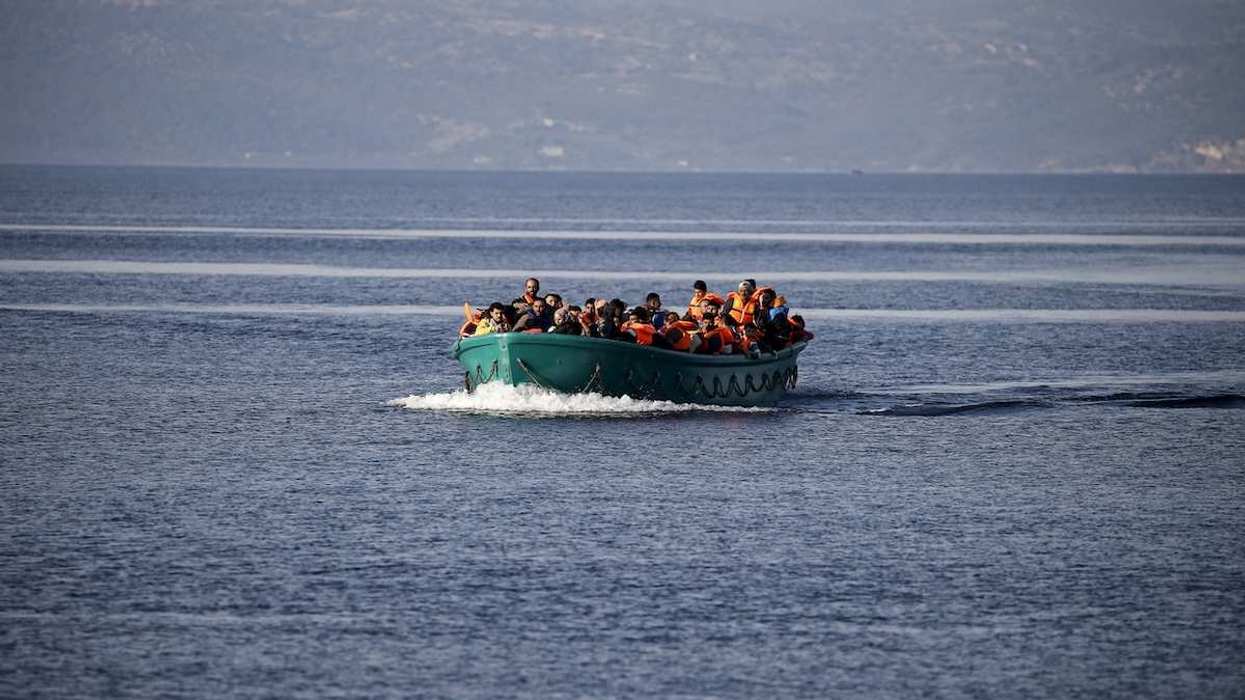
Biden is likely to face immense pressure by Republicans, (most of) his own party, and Cuban Americans themselves to get tough on the regime, perhaps by further tightening economic sanctions. But if he pushes Havana too hard, Biden risks thousands of Cubans getting on boats to Miami to flee the island's economic implosion — as they did in 1994. With migrant flows to the US southern border still high, in part because of more Cuban asylum seekers, the last thing the Biden administration wants is another immigration crisis.
Whatever happens in the coming days and weeks, Cuba's problems aren't going away. So far, the Cuban government has mostly shown restraint in dealing with the protesters, but it may change its tune if the rallies grow, as they probably will if tech-savvy young Cubans continue to mobilize on social media (despite frequent internet blackouts). What's more, the country's leaders find the protesters' demands reasonable — they just don't have money to pay for them right now. The regime is in survival mode, and needs time to weather the storm.