Skip to content
Search

Latest Stories

GZERO AI

Hard Numbers: Viruses everywhere, TikTok content moderation cuts, Nevada’s “at-risk” student saga, TSMC on the rise

​The H1N1 flu virus (red) is pictured in this handout photograph taken on July 9, 2009 and released on July 13, 2009. The new H1N1 influenza virus bears a disturbing resemblance to the virus strain that caused the 1918 flu pandemic, with a greater ability to infect the lungs than common seasonal flu viruses, researchers reported Monday.

The H1N1 flu virus (red) is pictured in this handout photograph taken on July 9, 2009 and released on July 13, 2009. The new H1N1 influenza virus bears a disturbing resemblance to the virus strain that caused the 1918 flu pandemic, with a greater ability to infect the lungs than common seasonal flu viruses, researchers reported Monday.

REUTERS/Image courtesy of Yoshihiro Kawaoka/University of Wisconsin-Madiso/Handout

70,500: Researchers used artificial intelligence to identify 70,500 new viruses using metagenomics, in which scientists sequence entire environments based on individual samples. This research, led by University of Toronto researchers, uses a machine learning tool developed by Meta to find new viruses and predict their protein structures.


700: TikTok reportedly cut 700 jobs, including many in Malaysia, and will transition much of its content moderation work to artificial intelligence. This change only affects .6% of the social media company’s 110,000-person global workforce. Social media companies have long used a mix of human and automated systems to monitor user-generated content posted on their platforms.

200,000: Last year, the state of Nevada used an AI system to help it better identify what students in the state are “at risk” for falling behind academically and socially. But the AI, run by an outside contractor, developed a much higher bar for that determination, incorporating factors far beyond income levels, formerly the most important metric, and the number of “at-risk” students plummeted by about 200,000, leading the state to cut funding to many districts in need.

40: Stock analysts expect Taiwan Semiconductor Manufacturing Company to report a 40% profit increase when the chip fabrication giant reports its third-quarter earnings on Oct. 17. TSMC’s stock has already surged 77% this year due to surging demand from chip designers hungry to sell their products to AI companies.


More For You

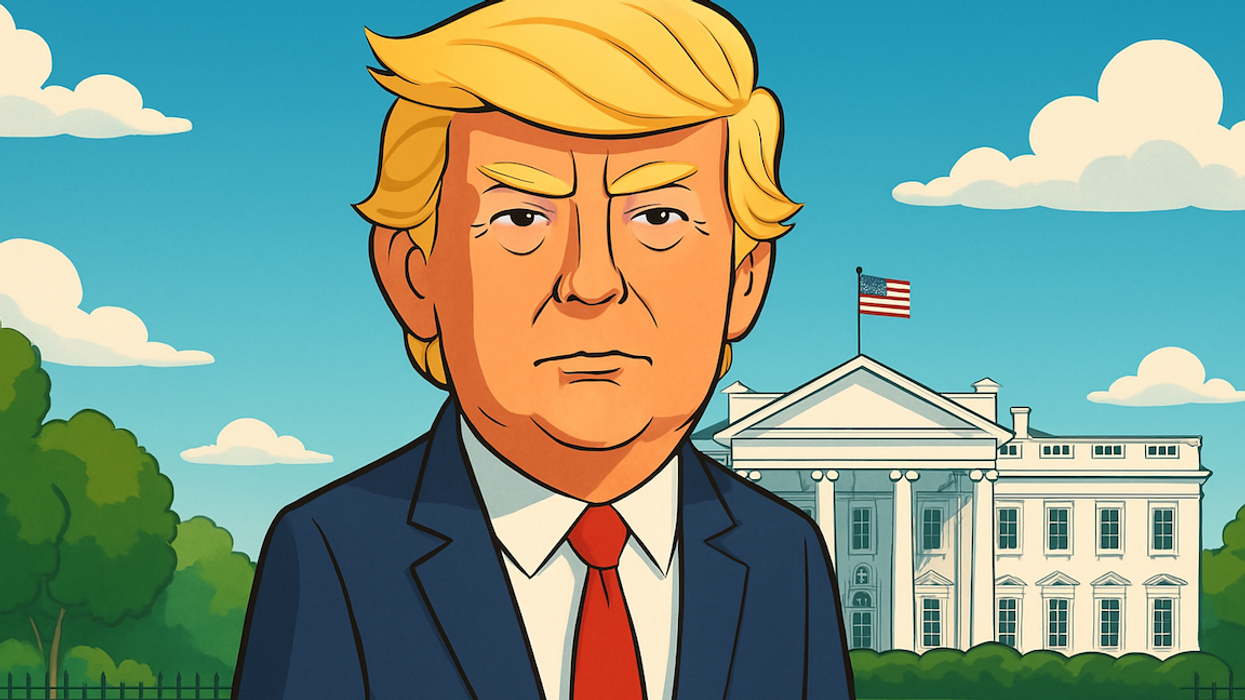
What we learned from a week of AI-generated cartoons
Courtesy of ChatGPT
Last week, OpenAI released its GPT-4o image-generation model, which is billed as more responsive to prompts, more capable of accurately rendering text, and better at producing higher-fidelity images than previous AI image generators. Within hours, ChatGPT users flooded social media with cartoons they made using the model in the style of the [...]
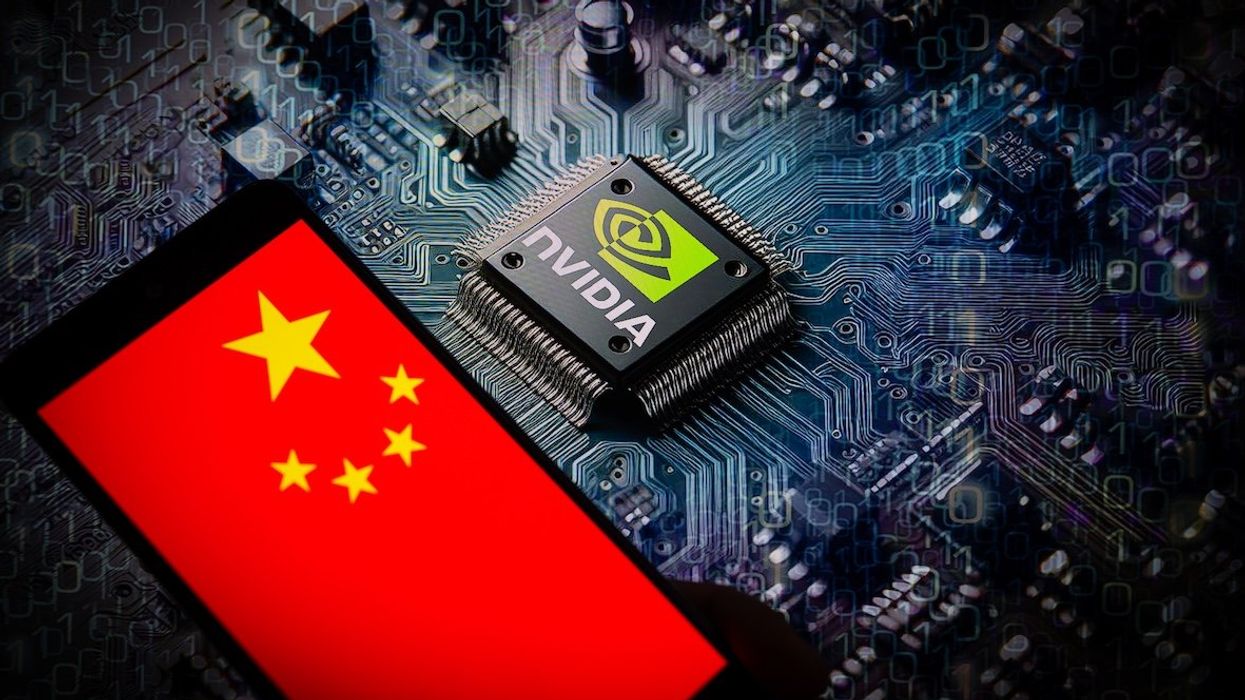
The flag of China is displayed on a smartphone with a NVIDIA chip in the background in this photo illustration.

The flag of China is displayed on a smartphone with a NVIDIA chip in the background in this photo illustration.

Jonathan Raa/NurPhoto via Reuters
H3C, one of China’s biggest server makers, has warned about running out of Nvidia H20 chips, the most powerful AI chips Chinese companies can legally purchase under US export controls. [...]
​North Korean leader Kim Jong Un supervises the test of suicide drones with artificial intelligence at an unknown location, in this photo released by North Korea's official Korean Central News Agency on March 27, 2025.

North Korean leader Kim Jong Un supervises the test of suicide drones with artificial intelligence at an unknown location, in this photo released by North Korea's official Korean Central News Agency on March 27, 2025.

KCNA via REUTERS
Hermit Kingdom leader Kim Jong Un has reportedly supervised AI-powered kamikaze drone tests. He told KCNA, the state news agency, that developing unmanned aircraft and AI should be a top priority to modernize North Korea’s armed forces. [...]
The logo for Isomorphic Labs is displayed on a tablet in this illustration.

The logo for Isomorphic Labs is displayed on a tablet in this illustration.

Igor Golovniov/SOPA Images/Sipa USA via Reuters
In 2024, Demis Hassabis won a Nobel Prize in chemistry for his work in predicting protein structures through his company, Isomorphic Labs. The lab, which broke off from Google's DeepMind in 2021, raised $600 million from investors in a new funding round led by Thrive Capital on Monday. The company did not disclose a valuation. [...]