You can’t step outside these days without hearing someone talking about AI’s impending slaughter of white-collar jobs. So far, the evidence that AI is shifting the broader labor market is thin, but among new college graduates, the story looks different – unemployment is rising faster for them than for the workforce overall.
Since we opened the Pandora’s Box of chatbots, new grads have faced higher unemployment than the national average for the first time in decades. Which raises the question: are they the canaries in the coal mine that AI-driven job disruption has begun?
“It just seems like there’s not any more entry-level roles,” reports James Kettle, a 25-year-old Columbia University graduate who’s been on the job hunt since May. His experience is echoed in a new Stanford study, which found hiring in AI-exposed occupations for early-career workers is down 13%.
Even if we can’t be certain AI is totally to blame for stealing young people’s existing jobs (yet), it’s making it harder for them to get hired in the first place. Delia Thompson, a 23-year-old University of Virginia graduate who’s been on the hunt for seven months, describes the job process today as “shouting into the void,” as she and other candidates send thousands of AI-assisted resumes through LinkedIn, only for companies to use their own algorithms to sift through the pile – a loop of bots talking to bots. “It makes it feel like a total lottery,” says Thompson.
This is reshaping how many young people are viewing AI overall. As something that gives the illusion of abundance – more productivity, more swipes on dating apps, more options – while making it more difficult to hear the signal through the noise. “AI is making it much harder for everyone,” says Kettle. “[Dating apps] make it harder to find a girlfriend, AI makes it harder to find a job… And for what? For it to just replace those jobs?”
Most of the young people I interviewed predicted that AI would only end up benefiting a small number of people, further consolidating wealth and costing jobs. “No one really wants to be associated with AI,” Kettle continued, “besides shareholders who want to lower costs and to be seen as cool.”
This isn’t this generation’s first rodeo. They have already been the guinea pigs for one revolutionary new technology: social media. They had Facebook in elementary school, Instagram in middle school, and were addicted to them long before the first op-eds hit the presses about how they might rewire a developing brain. It has created a generation of early tech adopters, but also one that’s keenly aware of its pitfalls and ulterior motives.
“God forbid Meta reaches AGI first and the whole world becomes Instagram,” bemoaned Kettle.
Economic shocks have compounded the mistrust. Many graduates grew up in households battered by the Great Recession, were told college was the only way forward, and then took on debt for degrees that played out mostly on Zoom. Now they’re entering a labor market that’s the toughest it’s been for college-educated workers in 25 years – and AI will only make it worse.
“Everything that was sold as the golden ticket turned out to be a nightmare,” says Sam Angel, who has been looking for a job since he graduated from Columbia University last year. “What really underlies this whole thing is just an underlying sense of powerlessness,” Angel told me.
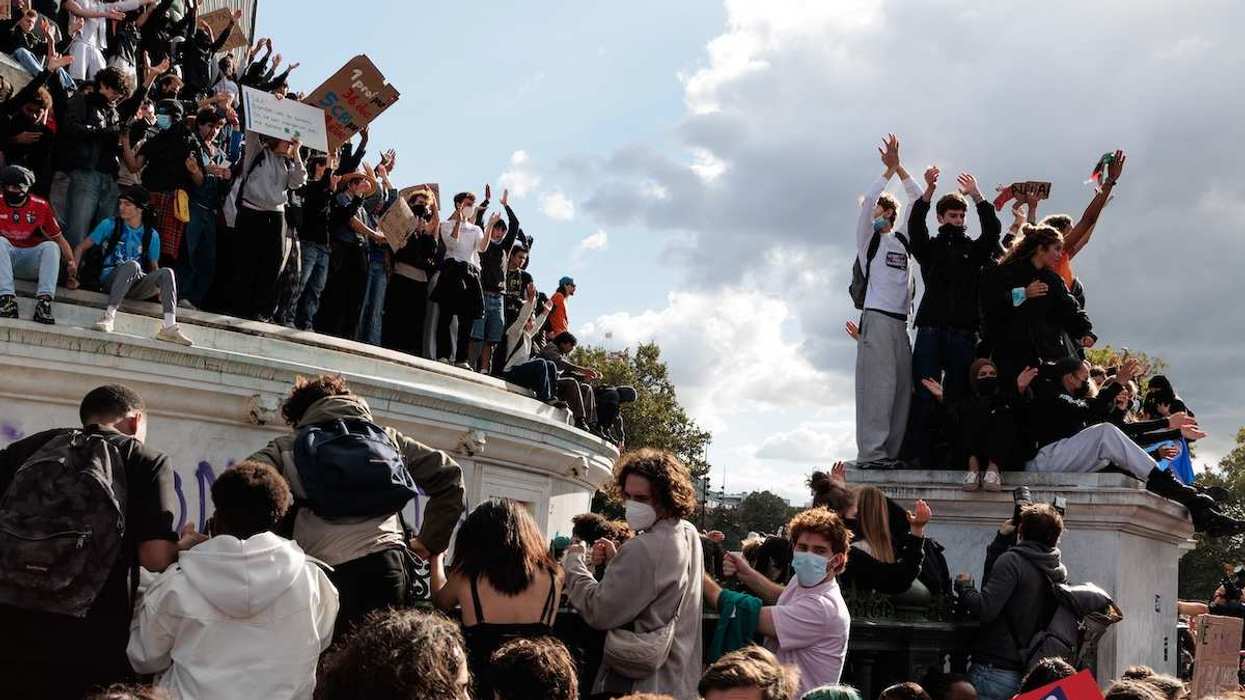
That sense of being shut out is driving political volatility. Forty-six percent of young voters voted for Trump in 2024, up from 36% in 2020 – with the majority citing pocketbook issues. But those gains for Trump are quickly disappearing: his approval among 18–29 year olds has collapsed 44 points, with 72% now disapproving. This generation wanted predictability, and instead got more layoffs – played live on TikTok.
That same anger was evident in New York City when the tagline “billionaires shouldn’t exist” helped win Zohran Mamdani the Democratic primary. Young voters didn’t hear socialism – they heard someone saying that the richer shouldn’t keep getting richer as the middle hollows out.
“People like me are getting demoralized,” Kettle said. “I want to get married and have a kid, but I look at the price of childcare, the price of housing, the price of healthcare. It doesn’t look like it’s gonna happen.”
Today’s graduates don’t feel unlucky, they feel disillusioned. Their politics are volatile, and increasingly shaped by a sense that each “unprecedented” disruption – from the pandemic to AI – keeps breaking the promises made to them about their agency over their future.