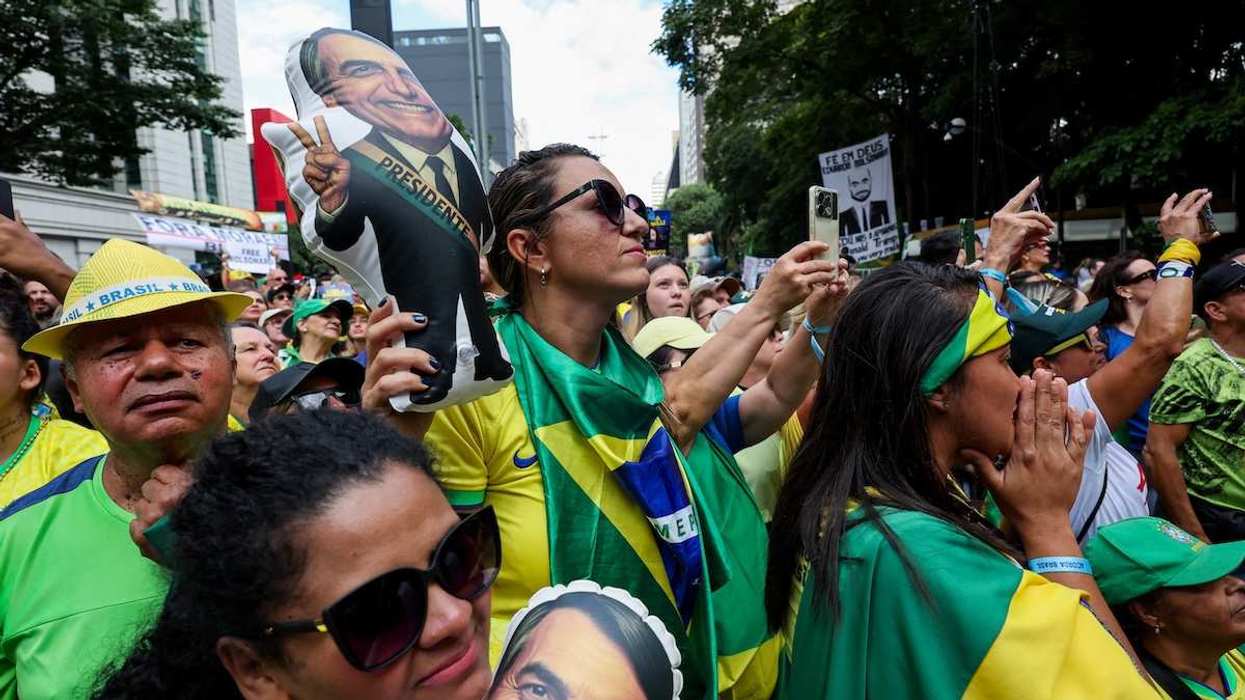
Three years ago today, supporters of former Brazilian President Jair Bolsonaro stormed Congress and other buildings in the capital of Brasília in a violent attack often compared with the Jan. 6, 2021, assault on the US Capitol. Both events centered on claims that national elections had been “stolen,” but they produced very different outcomes for the far-right leaders linked to them.
US President Donald Trump has since returned to the White House, pardoned 1,600 rioters accused of trying to subvert democracy, and tightened his grip on the American right. Bolsonaro, in contrast, has met a very different fate. He and seven of his allies were convicted of plotting to conspire against democracy and assassinate political rivals, including current President Luiz Inácio Lula da Silva, known as Lula.
Bolsonaro is now serving a 27-year sentence and is barred from holding office until 2060. On the anniversary of the attempted coup today, Lula vetoed a bill that would have cut Bolsonaro’s sentence and those of his co-conspirators, making a return to power for the deposed president next to impossible, at least for the immediate future.
Courts sent the former president to prison, but Bolsonaro still has loyal fans on the Brazilian right, including a committed base of conservatives, evangelicals, and gun owners.
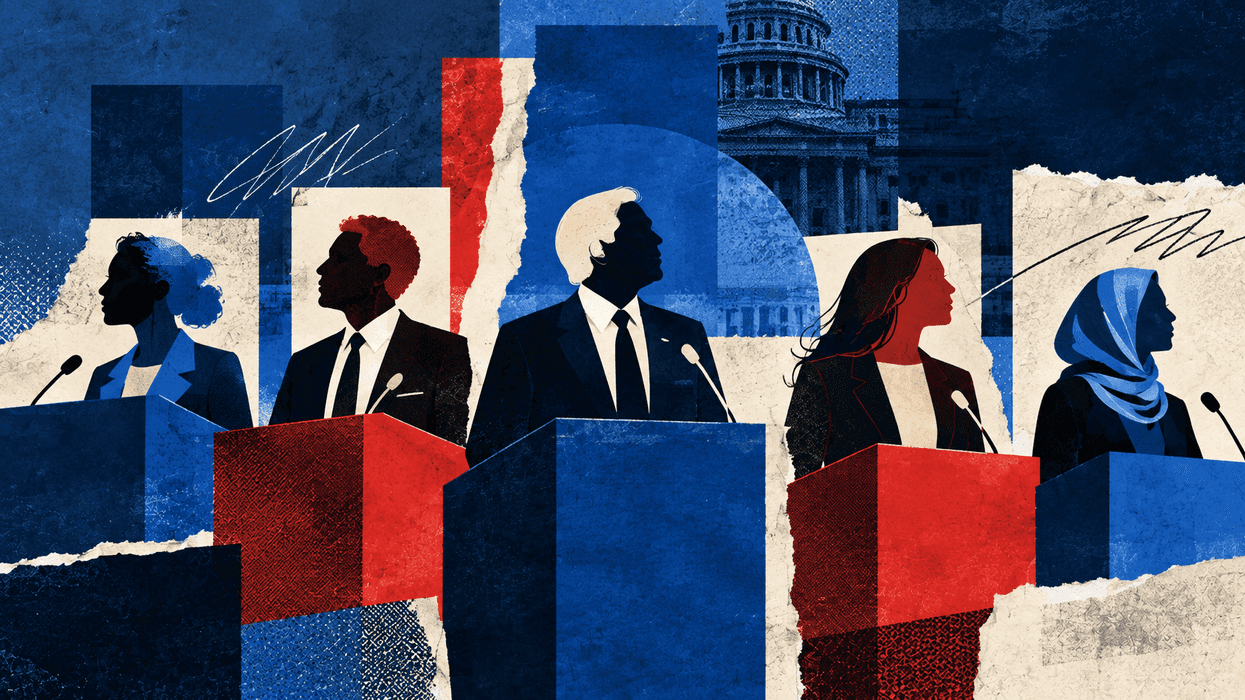
Where does Bolsonaro’s absence leave Brazil’s right wing? With elections slated for October, the opposition remains leaderless and divided – this dynamic could result in another term for Lula, unless the right can get its act together.
The central question is who should run. In December, Bolsonaro endorsed his eldest son, Senator Flávio Bolsonaro, as the presidential candidate for his far-right Liberal Party. Brazilian markets reacted negatively: investors – and the ex-president’s allies – expected Bolsonaro to back Tarcísio de Freitas, the conservative governor of São Paulo and former infrastructure minister who has broader appeal.
While Freitas is considered less polarizing and more palatable to centrists, he is reportedly distrusted by Bolsonaro’s inner circle. Private messages released by Brazil’s Supreme Court in August during an investigation into Bolsonaro’s efforts to influence judicial proceedings revealed that his younger son, Eduardo, accused Freitas of failing to defend his father during his legal battles while quietly preparing his own presidential run.
With his base of support, Bolsonaro remains kingmaker on the Brazilian right. Freitas put it bluntly himself in May of last year: “There is no right wing without Bolsonaro.” He announced his support for Flávio in December.
But Flávio suffers from his family’s deep unpopularity on the national level: polls show that 70% of independent voters would reject any member of the Bolsonaro family, and 56% hold a negative view of Flávio himself. That fragmentation has opened up space for other candidates, including 41-year-old Renan Santos, political activist and founder of the right-wing Mission Party. Santos has made a name for himself by calling for the creation of a Brazilian bitcoin reserve, prompting comparisons to El Salvador’s President Nayib Bukele, who made bitcoin legal tender in 2021.
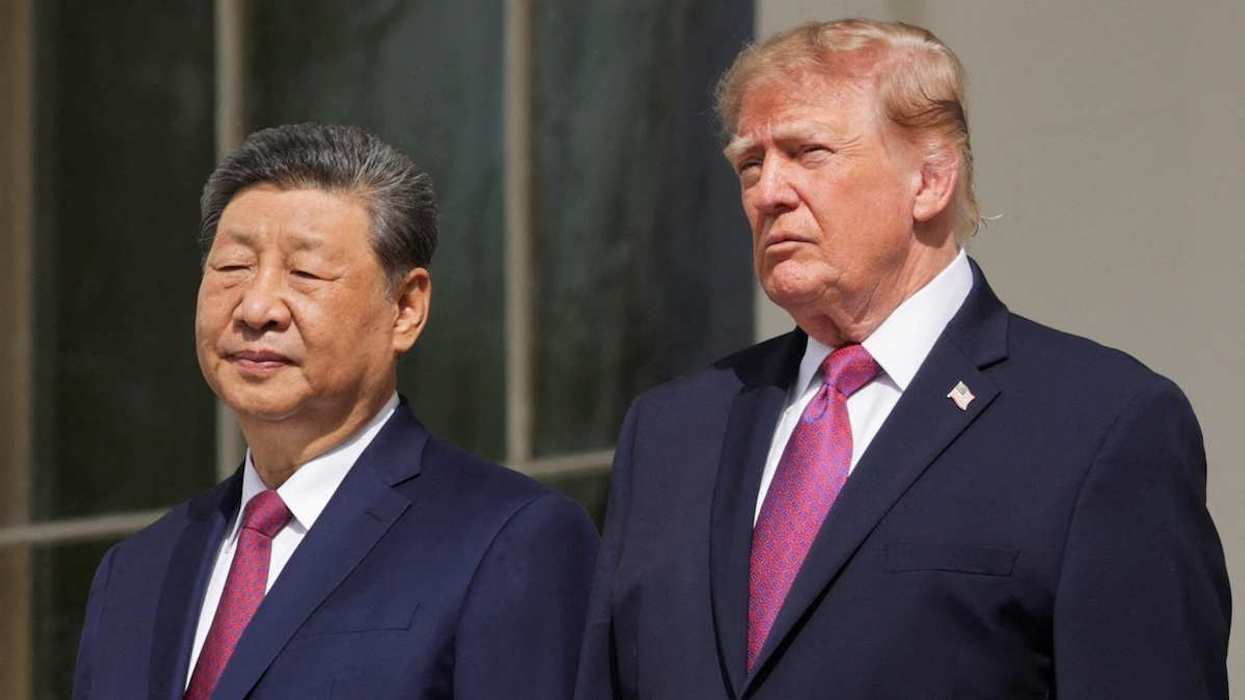
The Trump factor. For the man who once styled himself “Trump of the Tropics,” Bolsonaro’s most prominent international supporter has been the American president. Trump has defended the former Brazilian leader and dismissed his prosecution as a “witch hunt” – a phrase he’s repeatedly used to describe his own legal cases.
After Bolsonaro’s sentencing, Trump hit Brazil with sanctions and steep tariffs, triggering a public showdown with Lula. It came at a good time for the octogenarian leader, who was facing crumbling approval ratings and concerns about his age. In the end, the fight with Trump helped Lula reverse his downward trajectory. Trump later lifted tariffs on Brazil’s food products after talks with Lula, and after frustration over rising costs boiled in Trump’s Republican base.
However, in the wake of Trump’s recent actions in Venezuela, some Bolsonaro supporters, including Eduardo, who has cultivated strong ties with the MAGA movement, welcomed the idea of Trump “interfering” in Brazil’s elections via diplomatic or political pressure. While Lula had previously criticized deposed Venezuelan president Nicolás Maduro for his authoritarian rule, leaders on the Brazilian right see an opportunity to tie him to the left-wing regime.
That strategy could backfire as well. Lula warned that Trump’s military action in Caracas set “an extremely dangerous precedent” and recalled “the worst moments of interference in the politics of Latin America.” Many in Brazil saw Trump’s sanctions and tariffs as an affront to national sovereignty, and any effort by Trump to weigh in on elections could provoke a similar backlash.
How important will the Jan. 8 anniversary be in this election year? Both sides have signaled they intend to leverage the day politically. While Lula held a “Democracy Reaffirmed” ceremony in Brasília, Flávio posted to X, in all caps, “January 8 of the lie, left-wing coup, has Lula already fooled you today?” Still, unless the right can unite behind one leader, the anniversary may not provide much boost to their fortunes down the road.