When social media debuted in the early 2000s, it was hailed as a way to stay connected to family and friends, share milestones, and create new communities. But over time, as engagement grew exponentially, many young users began reporting higher levels of anxiety, body image issues, screen addiction, and, in the worst cases, self-harming behavior. Now, some governments are attempting to turn back the clock, pushing to keep kids off the platforms altogether.
In December of last year, Australia became the first country to ban major social media platforms for children under 16. Canada and about a dozen European countries are exploring restrictions of their own, ranging from age-specific bans to fines for social media companies that fail to remove harmful content. In the United States, 35 states have laws or rules limiting cellphone use in schools, and tech giants like Meta stand accused in a landmark trial of deliberately engineering their platforms to addict children.
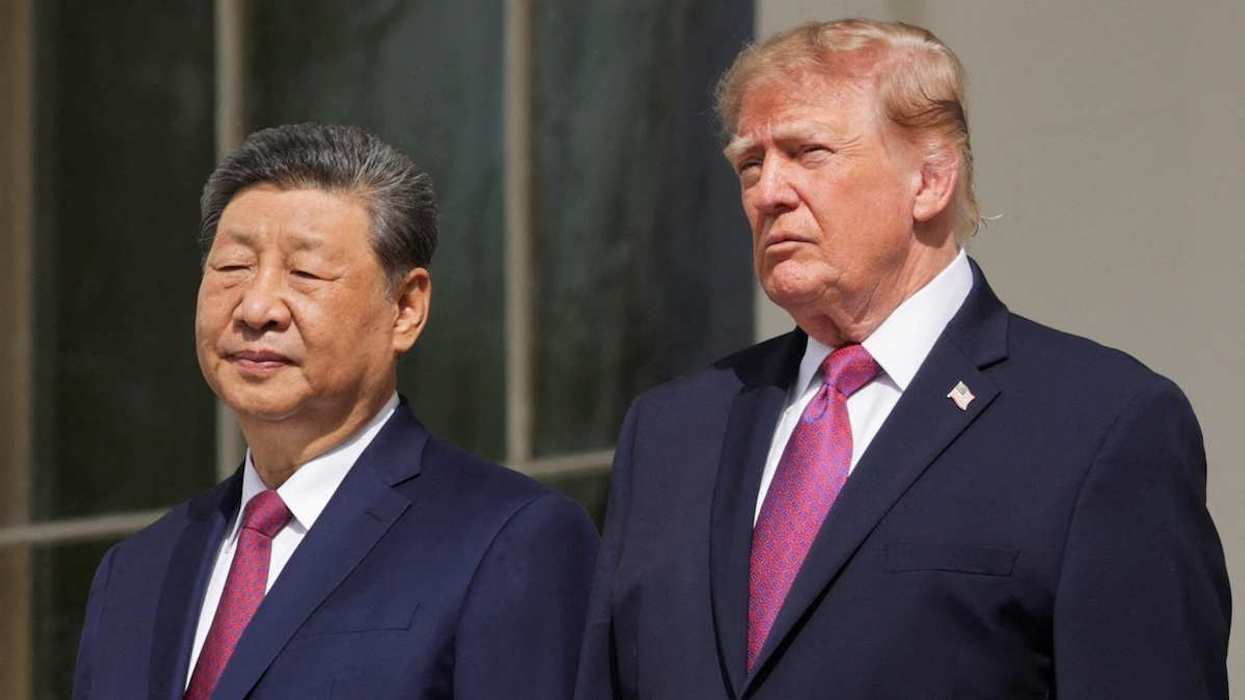
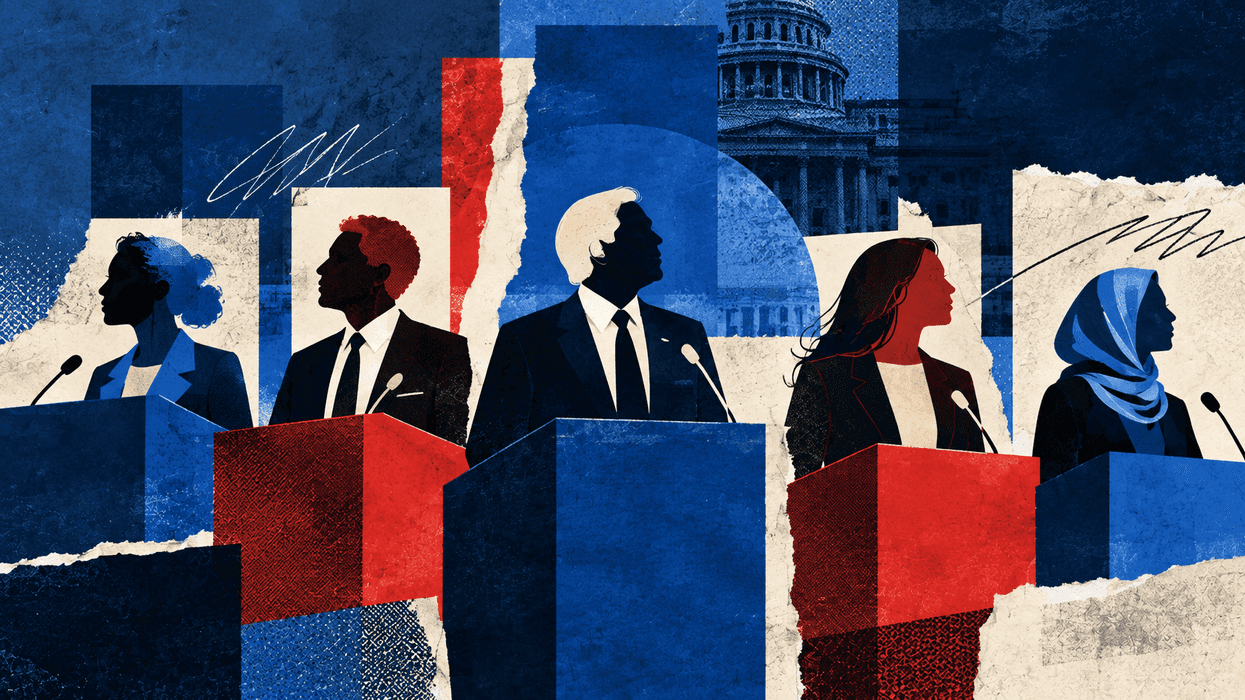
Meanwhile, a standoff is emerging between politicians who thrive on social media, like US President Donald Trump, and those who want to see heavier restrictions, like French President Emmanuel Macron. Last week, Macron criticized social media companies and tech executives who claim to be defending free speech as “pure bulls–.” Trump, on the other hand, has cast the European Union’s transparency and content moderation rules not only as threats to free speech but also as blows to the competitiveness of American tech companies behind the platforms. The clash suggests that social media platforms may have reached a tipping point, as concerns about its impact on young people push governments toward intervention.
The kids aren’t alright
Australia’s under-16 ban was rooted in a concern for child mental health. Legislators argued that social media platforms contribute to rising rates of youth depression and anxiety, expose them to harmful content and predatory adults. In the law’s wake, 10 platforms, including Instagram, Tiktok and Snapchat, have since removed a total of 4.7 million accounts belonging to children under 16, facing the threat of multimillion-dollar fines.
Last week, a courtroom in Los Angeles heard arguments in a landmark case accusing Meta of deliberately designing platforms to both lure and addict children. Internal company documents from 2015 filed in the case showed that an estimated 30% of 10- to 12-year-olds in the US were using Instagram and that the company had a goal to increase the time 10-year-olds spent on the platform. The case – brought by a 20-year-old woman who says she started using Instagram at age nine and subsequently developed an eating disorder and suicidal thoughts – is being watched as a bellwether among more than 1,600 similar suits filed by families and school districts. The outcome – and that of future cases – could lead to sweeping monetary damages or even force major changes to the platforms.
Meta has denied the accusations. During his court testimony, CEO Mark Zuckerberg reiterated his position that social media has not been scientifically proven to harm mental health. Yet a growing body of research links social media use to increased exposure to cyberbullying, sexual harassment, and even a form of blackmail called “sextortion” – experiences that can contribute directly to anxiety, feelings of shame, and self-harm.
A G7 collision course
Last week, Macron announced that social media regulation — particularly child protection and safeguards for artificial intelligence — will be a priority during France’s G7 presidency. “There is no reason our children should be exposed online to what is legally forbidden in the real world,” he said, pledging to raise the issue directly with Trump.
That likely won’t be an easy conversation. The US president has already taken Europe to task over its digital regulation, including the European Digital Services Act, which requires big technology companies to take steps to prevent illegal or dangerous content on their platforms. The White House has bristled at the law’s fines and requirements, which it says hinder free speech and unfairly limit American tech companies’ ability to innovate and compete. Trump has even likened the EU’s tech rules to tariffs on American firms operating in Europe, and floated imposing new tariffs to retaliate. Any such move, however, could be complicated by the US Supreme Court’s recent decision to strike down his use of emergency powers to enact tariffs, limiting his options to respond.
What could be the tipping point?
Social media companies will face three tests this year: whether US courts reshape liability standards for platform design; whether France successfully builds G7 consensus on child-focused digital rules; and whether Washington escalates its dispute with the EU by treating tech rules as a trade war issue. But governments’ response will also be shaped by the court of public opinion – and that is far from clear. Two-thirds of Americans think children need protection from the dangers of social media. Half believe banning TikTok would improve children’s safety – yet a majority also feel such a ban would set a troubling precedent of censorship. Eighty-five percent support requiring parental consent for children to set up social media accounts, but there is no mandate for a blanket ban. In the absence of voter consensus, US politicians will likely leave it to the courts to set limits on American firms.
After roughly two decades of linking the world, social media may have reached a new chapter. The platforms that host close to 5 billion users worldwide may face broader limits on the influence they’ve long wielded.