Iran’s Kurds rise up, soccer squad goes silent
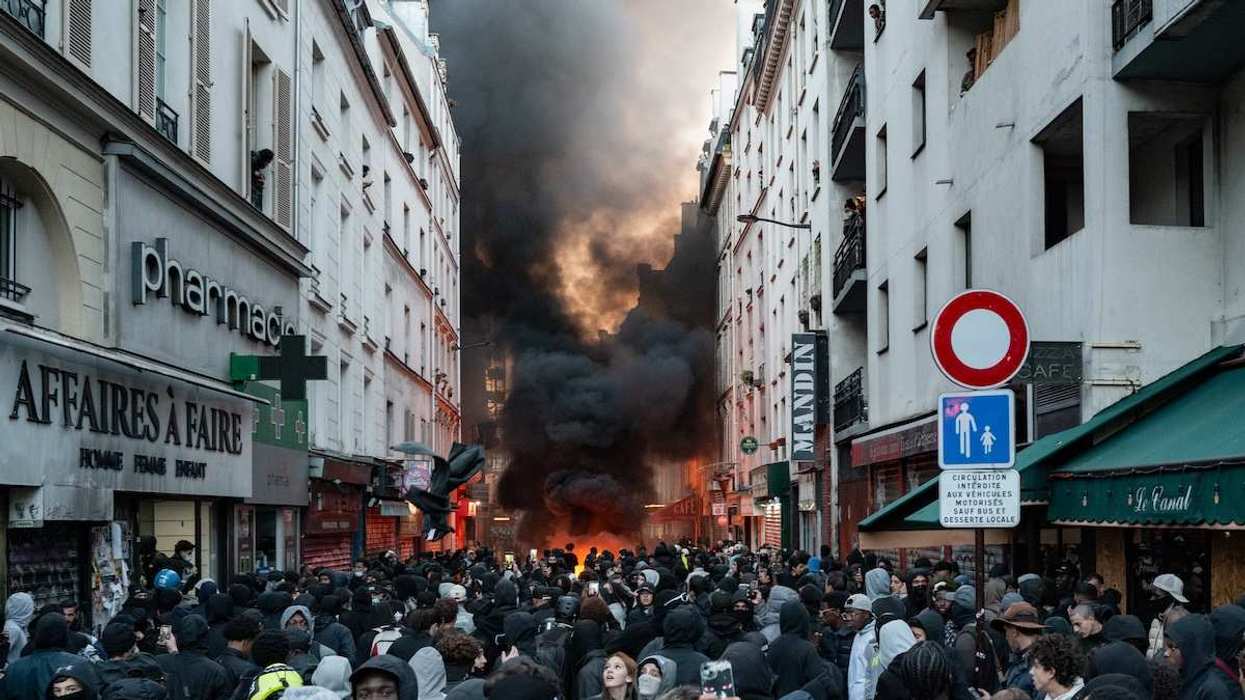
Even as widespread anti-government protests over democracy and women’s rights continue across Iran, things are getting particularly dicey in Kurdish-majority areas along the northwestern border with Iraq. Iran’s revolutionary guards have not only cracked down on the protests in the city of Mahabad, but they also reportedly sent missiles across the border into Kurdish areas of Iraq for good measure. Kurdish groups have struggled for independence from Iran for more than a century, and Mahabad is hugely symbolic — it was the capital of a short-lived independent Kurdish state in the 1940s. Meanwhile, the broader anti-government protests continue to get high-level sympathizers. Two prominent female actors who removed their headscarves publicly in solidarity were arrested over the weekend. Then, on Monday, Iranian footballers stunningly refused to sing Iran’s national anthem ahead of their opening World Cup match in Qatar as a show of support for the protests back home.
Russia’s crumbling tech sector
Young Russians with tech talent face a bleak future. Before the war, the country’s tech sector was heavily dependent on financial backing from the government and the well-connected people who profit from it. Then, after Russia invaded Ukraine, the US, EU, and other countries ended the export of semiconductors, microelectronics, lasers, telecom equipment, and other tech essentials to Russia. They also blacklisted Russian tech companies and research institutions. Western tech giants left Russia. But the withdrawal of Western technology is not the only seismic shock for Russia’s tech future. Many of those talented young Russians working in tech have fled their country in search of better prospects for themselves and their families. Some men may fear that a future military mobilization will force them to fight in Ukraine, and every new rumor feeds this anxiety. This latest Russian brain drain will deliver economic — and, therefore, political — shocks for decades to come. Well aware of this problem, Moscow has offered military deferments, tax breaks, and other economic incentives to persuade people to remain in Russia. But none of these inducements can match what the most talented can earn in Europe or the United States.This comes to you from the Signal newsletter team of GZERO Media. Sign up today.