On Sunday, Ecuadorans head to the polls after what has been, by any standards, a hellish 18 months.
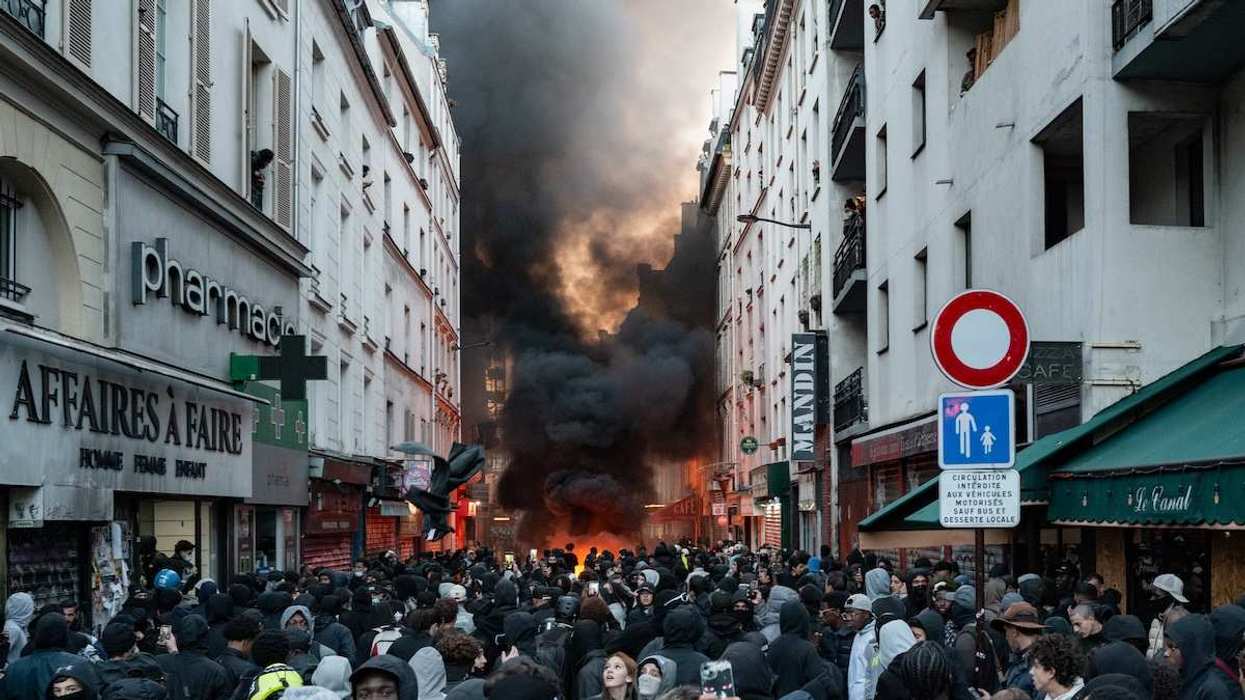
In October 2019, the oil-dependent Andean country of 17 million people was wracked by protests and violent clashes over a plan to cut fuel subsidies that was part of a lending lifeline from the International Monetary Fund.
Several months later COVID swept in with such fury that bodies were seen piled up in the streets of Guayaquil, Ecuador's main industrial hub. As a result of the pandemic, the country has seen the third highest excess death rate in the world.
Then, last April, former president Rafael Correa — a devotee of Venezuela's Hugo Chavez who harnessed an oil boom to implement his own free-spending version of "21st century socialism" from 2007-2017 — was found guilty in absentia of massive graft charges, convulsing an already deeply fragmented political landscape.
Now Ecuadorans, exhausted by the pandemic and a plummeting economy, are presented with a slate of no less than 16 presidential candidates, representing a kaleidoscope of flimsy parties with thin platforms. Correa still looms large, even from exile in Europe.
Small wonder then that half of voters are still undecided, and more than a third say they will spoil their ballots or leave them blank. Apathy is running high — "What does it matter?" is the prevailing feeling, according to one prominent local observer (text in Spanish).
Heading into the homestretch, there are really only three contenders with a shot.
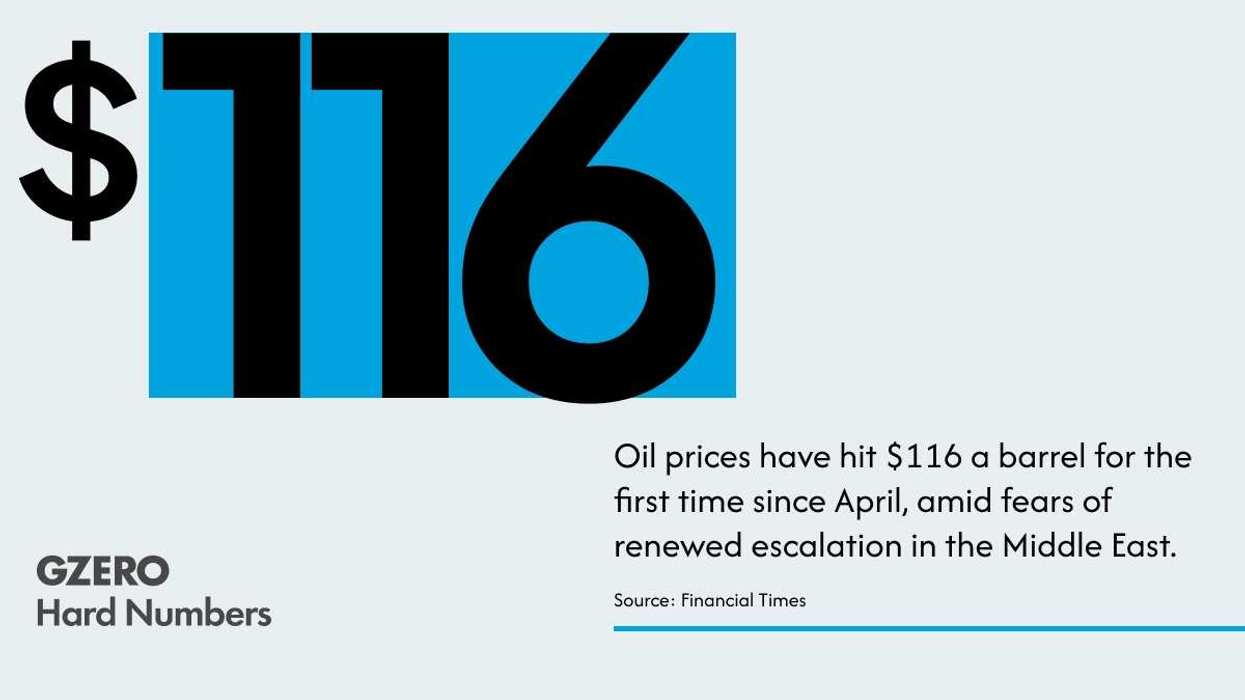
The throwback socialist: Andrés Arauz, is the preferred candidate of Correa, whom he served as Minister of Knowledge and Human Talent. The 35-year-old Arauz is banking on Ecuadorans' fond memories of the "good years" under Correa, when high oil prices fueled government spending and economic growth. The problem for him is: oil prices aren't high anymore.
The "continuity candidate": Guillermo Lasso, a former minister and governor who is running from the right as a pro-business social conservative. He generally supports the deal that Ecuador recently struck with the IMF, though he is also making late promises to raise wages and lower taxes which will raise eyebrows among the beancounters at the Fund. Lasso's biggest challenge is that it's tough to be the status quo guy at a time when more than 90 percent of the population thinks the country is headed in the wrong direction.
The outsider: Yaku Pérez, an environmental and indigenous rights activist who helped lead the 2019 protests. He is fiercely opposed to the IMF deal, wants to rein in mining (a tough sell in a mineral rich country where oil accounts for half of all export earnings) and has proposed a universal basic income. Pérez's challenge is to expand his appeal beyond indigenous groups (about 9 percent of the population) and green-friendly liberals in the cities.
Polls currently have Arauz in the lead, but he will need to win 50 percent of the vote — or exceed 40 percent with a 10-point margin — to avoid a runoff in April in which Pérez, the likely third-place finisher, could become a kingmaker of sorts.
Tough job if you can get it: Whoever wins Ecuador's presidency will have to contend with a fragmented congress, continued low oil prices, and tough negotiations with the IMF.
On the other hand, after the past 18 months, the bar is low enough that any change might feel like a glimmer of progress.
CORRECTION: An earlier version of this article stated incorrectly that the population of Ecuador is 13 million. That number actually refers to the population only of eligible voters. We regret the error.