Skip to content
Search

Latest Stories

GZERO AI

What two Nobel Prizes mean for AI

John J Hopfield and Geoffrey E Hinton are awarded this year's Nobel Prize in Physics. Professor Anders Irback explains their work at the press conference at the Royal Swedish Academy of Sciences in Stockholm, Sweden October 8, 2024

John J Hopfield and Geoffrey E Hinton are awarded this year's Nobel Prize in Physics. Professor Anders Irback explains their work at the press conference at the Royal Swedish Academy of Sciences in Stockholm, Sweden October 8, 2024

Christine Olsson/TT via Reuters

Artificial intelligence researchers won big at the Nobel Prizes this year, taking home not one but two of the esteemed international awards.

First, John Hopfield and Geoffrey Hinton won the Nobel Prize in physics for developing artificial neural networks, the machine-learning technique that has powered the current AI boom by replicating how the human brain processes information. Then, the Nobel committee awarded the chemistry prize to University of Washington biochemist David Baker as well as Google DeepMind’s Demis Hassabis and John Jumper. (Hassabis is DeepMind’s co-founder and CEO.) The trio was honored for developing techniques to use artificial intelligence to model and design proteins.


The Nobel wins come with cash prizes (11 million Swedish crowns, or $1.06 million), but also international recognition that could fuel further research and funding in artificial intelligence. Academic papers on innovative subjects tend to increase after the Nobel committee honors a discovery, Wired noted, as seen with the award for the isolation of the carbon structure graphene in 2010.


Of course, AI is already the subject of a global industrial boom, but the Nobel prizes are celebrations of what AI can do at its best — not a warning of how it can go wrong. Hinton, for his part, issued a warning after winning the physics prize. AI, he told CNN in an interview, “will be comparable with the industrial revolution. But instead of exceeding people in physical strength, it’s going to exceed people in intellectual ability. We have no experience of what it’s like to have things smarter than us.”


More For You

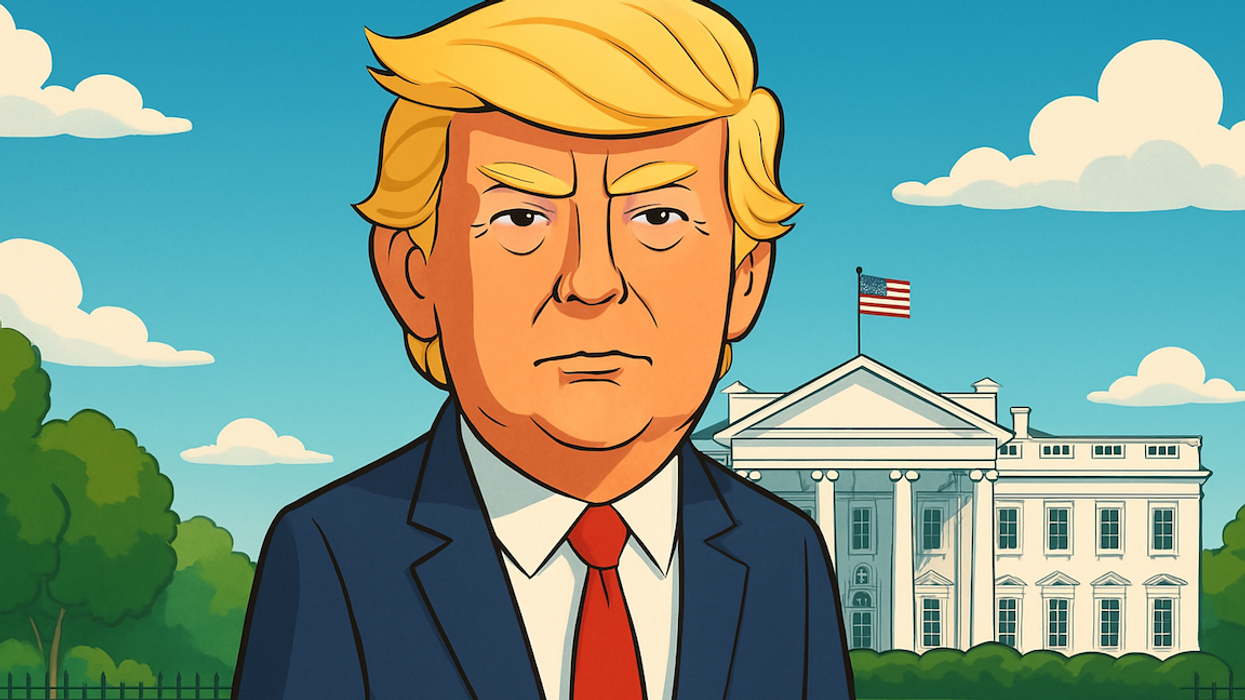
What we learned from a week of AI-generated cartoons
Courtesy of ChatGPT
Last week, OpenAI released its GPT-4o image-generation model, which is billed as more responsive to prompts, more capable of accurately rendering text, and better at producing higher-fidelity images than previous AI image generators. Within hours, ChatGPT users flooded social media with cartoons they made using the model in the style of the [...]
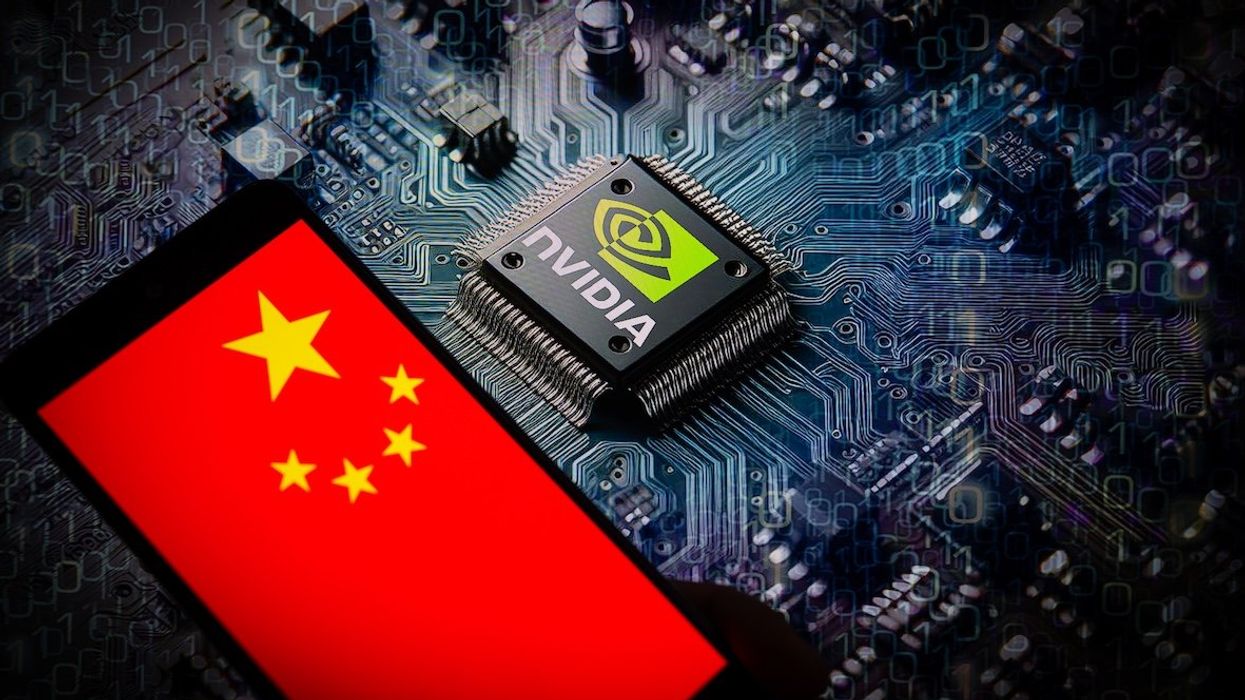
The flag of China is displayed on a smartphone with a NVIDIA chip in the background in this photo illustration.

The flag of China is displayed on a smartphone with a NVIDIA chip in the background in this photo illustration.

Jonathan Raa/NurPhoto via Reuters
H3C, one of China’s biggest server makers, has warned about running out of Nvidia H20 chips, the most powerful AI chips Chinese companies can legally purchase under US export controls. [...]
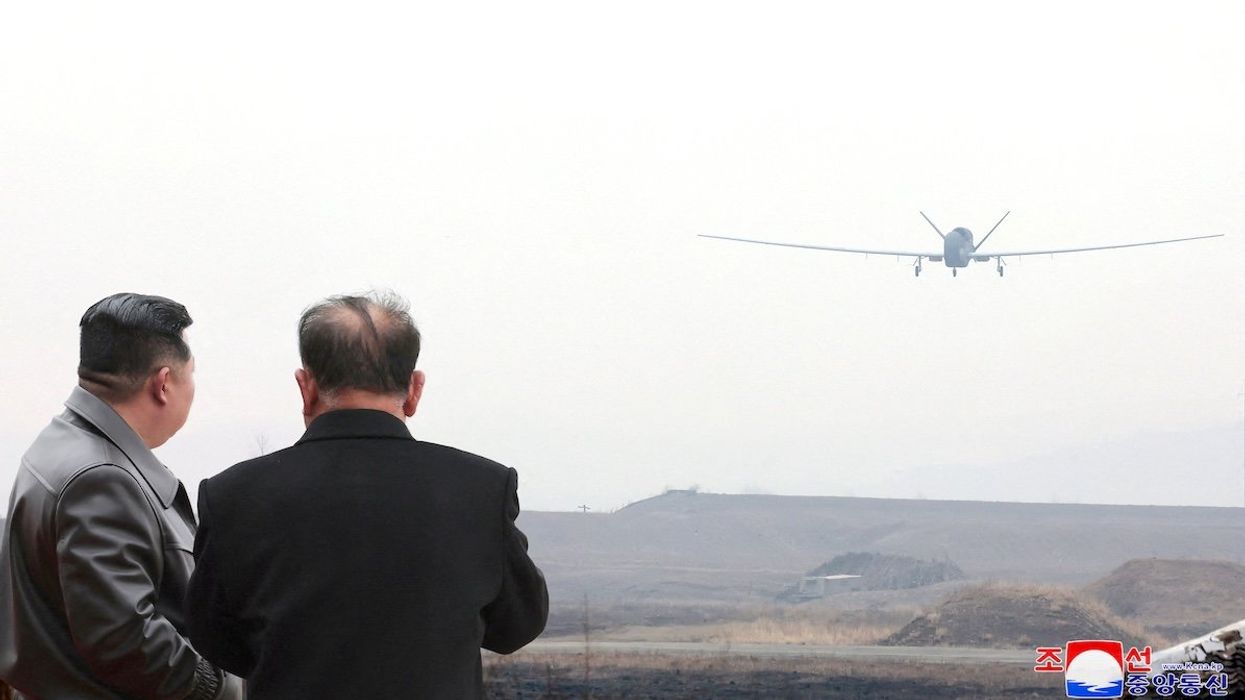
​North Korean leader Kim Jong Un supervises the test of suicide drones with artificial intelligence at an unknown location, in this photo released by North Korea's official Korean Central News Agency on March 27, 2025.

North Korean leader Kim Jong Un supervises the test of suicide drones with artificial intelligence at an unknown location, in this photo released by North Korea's official Korean Central News Agency on March 27, 2025.

KCNA via REUTERS
Hermit Kingdom leader Kim Jong Un has reportedly supervised AI-powered kamikaze drone tests. He told KCNA, the state news agency, that developing unmanned aircraft and AI should be a top priority to modernize North Korea’s armed forces. [...]
The logo for Isomorphic Labs is displayed on a tablet in this illustration.

The logo for Isomorphic Labs is displayed on a tablet in this illustration.

Igor Golovniov/SOPA Images/Sipa USA via Reuters
In 2024, Demis Hassabis won a Nobel Prize in chemistry for his work in predicting protein structures through his company, Isomorphic Labs. The lab, which broke off from Google's DeepMind in 2021, raised $600 million from investors in a new funding round led by Thrive Capital on Monday. The company did not disclose a valuation. [...]