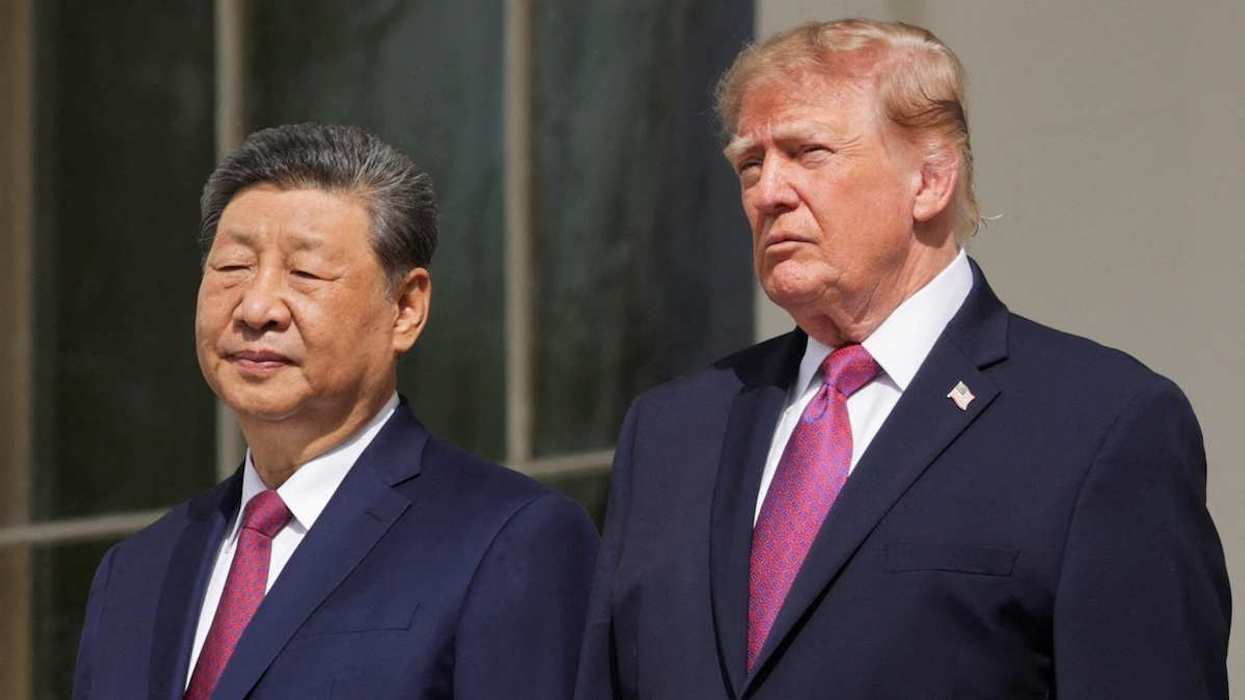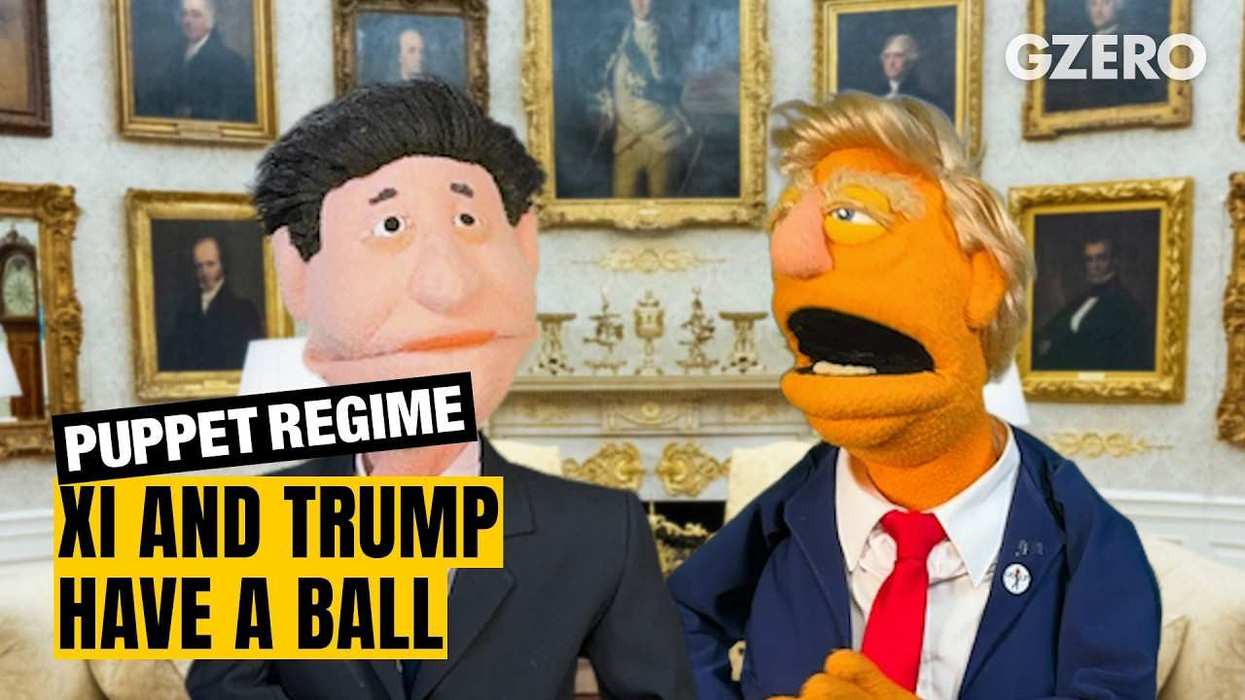
The abundance of volatility in the global system since at least the start of the pandemic has meant that we should expect more geopolitical risk rather than less. Now, in addition to multiple ongoing conflicts, a year of electoral instability, and pandemic hangovers, the return of Donald Trump as the US president injects further unpredictability into this landscape.
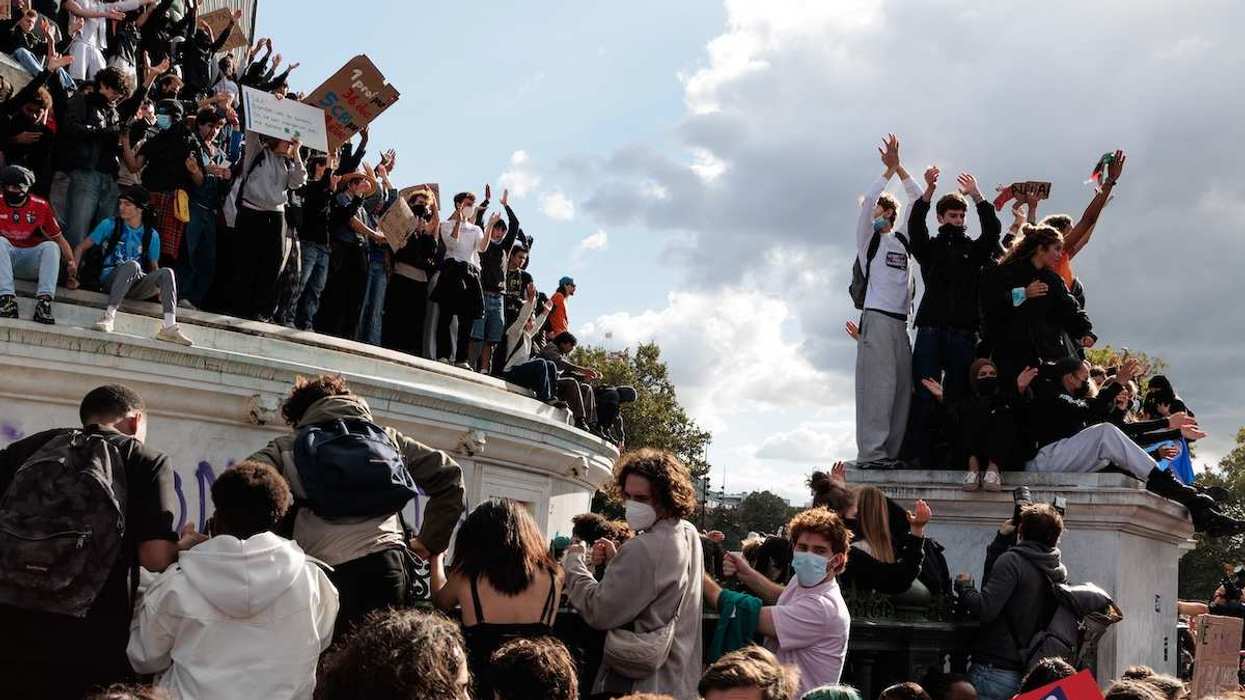
Already since his reelection, an unusual set of waves have crested. In South Korea – a key US ally – the declaration of martial law last week stunned the domestic and international audience. After widespread protests broke out, President Yoon Suk Yeol issued a quick (but not immediate) retraction with more fallout yet to come. Elsewhere, in France, Prime Minister Michel Barnier lost a no-confidence vote after parliamentary budget talks stalled. The measure reveals the fractures and radicalized forces that continue to plague one of Europe’s leading economies. And in Syria, Islamist militants turned Aleppo and Damascus into a hot zone once again – raising tensions in an already active neighborhood – before spectacularly overthrowing Bashar Assad’s government on Saturday.
Trump is, of course, not responsible for any of these developments. But the world is on edge. His posts in recent weeks on Truth Social have done little to assuage the anxieties and instead serve as kerosene to various burning fires. Trump roiled markets in late November when he announced plans to impose 25% tariffs on all products coming into the US from Mexico and Canada with an additional 10% tariff on Chinese goods. The market remarkably found the news surprising despite Trump’s avowal throughout his 2024 election campaign that he would again rely on the tariff lever as president.
More recently, Trump posted to warn that if the hostages held by Hamas are not released before his inauguration there will be “ALL HELL TO PAY in the Middle East.” Trump’s commitment to “hit harder” those responsible at a historic level strikes a distinctly different tone than the one regional actors have become accustomed to with Joe Biden’s administration.
In response to the preexisting condition of volatility and the forthcoming infusion of Trumpredictability, the world is preparing “go bags” for the year(s) ahead. For both global political leaders and private sector firms, this preparation involves kicking the tires on current strategy, stress testing supply chains and sourcing, evaluating budget plans, and checking in with the man himself.
After Trump’s tariff threats, Canadian Prime Minister Justin Trudeau flew immediately to Mar-a-Lago to assess the damage. In remarks afterward, Trudeau said it was an “excellent conversation” and that he “look[ed] forward to the work we can do together, again.” In his own posts, Trump said the two had discussed many important topics that would require the US and Canada to work together, including trade, illegal drugs, and energy. In the days that followed, Trump posted a photo of himself staring out at snow-capped mountains with the Canadian flag at his side – after jokingly saying the country could become America’s 51st state. It was a reminder to Trudeau that one dinner will not resolve everything.
European leaders, meanwhile, are debating a lot more defensive spending for the journey ahead. At early December meetings of NATO foreign ministers, Secretary-General Mark Rutte thanked Trump for getting NATO territory allies to the 2% defensive spend target, calling it the “Trump push.” Rutte went on to say that – and not just because of Trump – he now believes strongly the 2% is not enough for long-term deterrence. German Foreign Minister Annalena Baerbock similarly called on NATO to make big investments in European security beyond the standard 2% defensive target.
In Ukraine, President Volodymyr Zelensky has seemingly demonstrated a new willingness to consider negotiations as a Trump return looms. After repeatedly vowing to continue the fight, Zelensky indicated this week he would be open to Western troops deploying in Ukraine as a security guarantee and step toward NATO membership to halt the war with Russia. The shift comes as polls suggest that Ukrainians are increasingly inclined toward a negotiated solution, but also after months of Trump campaign pledges to swiftly drive settlement and end the war. With Assad’s toppling in Syria, having long been propped up by Russia, Putin will be recalculating his own ambitions in Ukraine in real time in the coming weeks.
Unsurprisingly, Trump is not immune to the effect he is having on global behavior. He launched a site to track the “Promises Kept,” which tallies “securing our border,” “working towards international peace,” and “propelling economic growth” among his pre-inauguration successes.
The world at the close of 2024 stands on the precipice, awaiting the impact that another Trump presidency will bring. Trump 2.0 will be all-encompassing. His administration will pursue policies that reshape the global economy and international trade patterns. It will target ongoing fault lines and new challengers. And there will be unpredictability. Global leaders of all stripes are counting on being kept on their toes. Some across Europe have even begun ramping up crisis capabilities for citizens with initiatives advising on stockpiling and bunker building. They have six weeks to pack their bags.
Lindsay Newman is a geopolitical risk expert and columnist for GZERO.