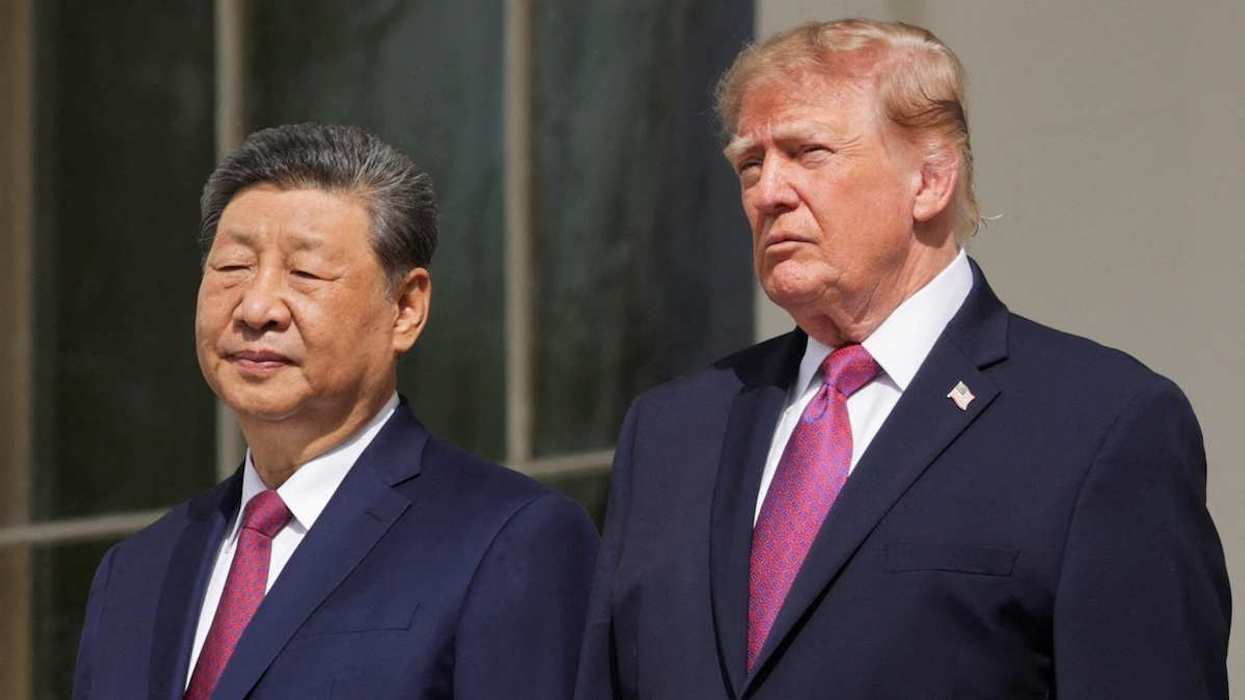
President Donald Trump on Monday again demanded the names and background information of all foreign students enrolled at Harvard, as part of the White House’s ongoing clash with the university over campus values, hiring practices, and admissions criteria. The call came after the Administration last week cancelled Harvard’s permission to enroll foreign students, a move that is now before the courts.
As the Trump Administration continues to clash with elite higher education institutions, foreign students are in the spotlight. Broader moves to restrict their enrollment could have significant financial, educational, and even geopolitical impacts. Here’s what you need to know.
How many international students are in the US?
According to the 2024 Open Doors report, international student enrollment in the U.S. reached an all-time high of 1.1 million in the 2023–2024 academic year, up 7% from the year before. The numbers represent a rebound from pandemic-era lows and a decline during Donald Trump’s first term due to the chilling effect of his anti-migrant stance and travel ban on majority Muslim countries. But they had already started dropping again in Trump’s second term.
Where are students from – and why does that matter?
India and China account for more than half of the foreign student population, with over 331,000 and 277,000 students respectively. China’s growing presence was cited as a reason for the Harvard ban, with a White House official commenting that "For too long, Harvard has let the Chinese Communist Party exploit it," and that the school had "turned a blind eye to vigilante CCP-directed harassment on-campus."
Why do US schools need these students?
In a word: Money. International students pay higher tuition and represent a disproportionate share of university income. A study in 2015 found that while they made up 4.6% of students, they contributed 28% of tuition revenue. That financial pillar becomes even more important given that the National Center for Education Statistics estimates that, because of falling US birth rates, the number of U.S. high school graduates will decline from 3.8 million in 2025 to 3.5 million by 2032. Without immigrants and international students, total post-secondary enrolment will drop by 5 million from today’s numbers, and some schools may not survive.
What do students contribute to the US economy — during and after school?
In 2023–2024, international students contributed $43.8 billion to the US economy and supported more than 378,000 jobs, according to NAFSA. Much of this money goes directly to universities, but students also rent apartments, shop locally, and pay taxes, a boost to college towns and states like Massachusetts, Florida, Texas, and Iowa. Forty-one percent of students remain in the US after graduation, including 75 per cent of PhD students. Some industries are highly impacted: according to the Science and Technology Policy Institute, over 20% of both the STEM workforce in the US and STEM graduates from US colleges and universities are born outside the country.
Canada, the UK and Australia have long welcomed international students, though recent immigration crackdowns in those countries have also reduced the number of student visas available. China, ironically, might stand to be the biggest beneficiary. Already Chinese colleges are offering unconditional acceptance to international students from Harvard. Blocking international students from US institutions could accelerate China's efforts to become a global education hub, particularly for students from the Global South. That could cost the US not just students, but future allies, entrepreneurs, and thought leaders – and bring their home countries closer to China’s orbit.