Skip to content
Search

Latest Stories

News

Playing With (Digital) Fire

Playing With (Digital) Fire

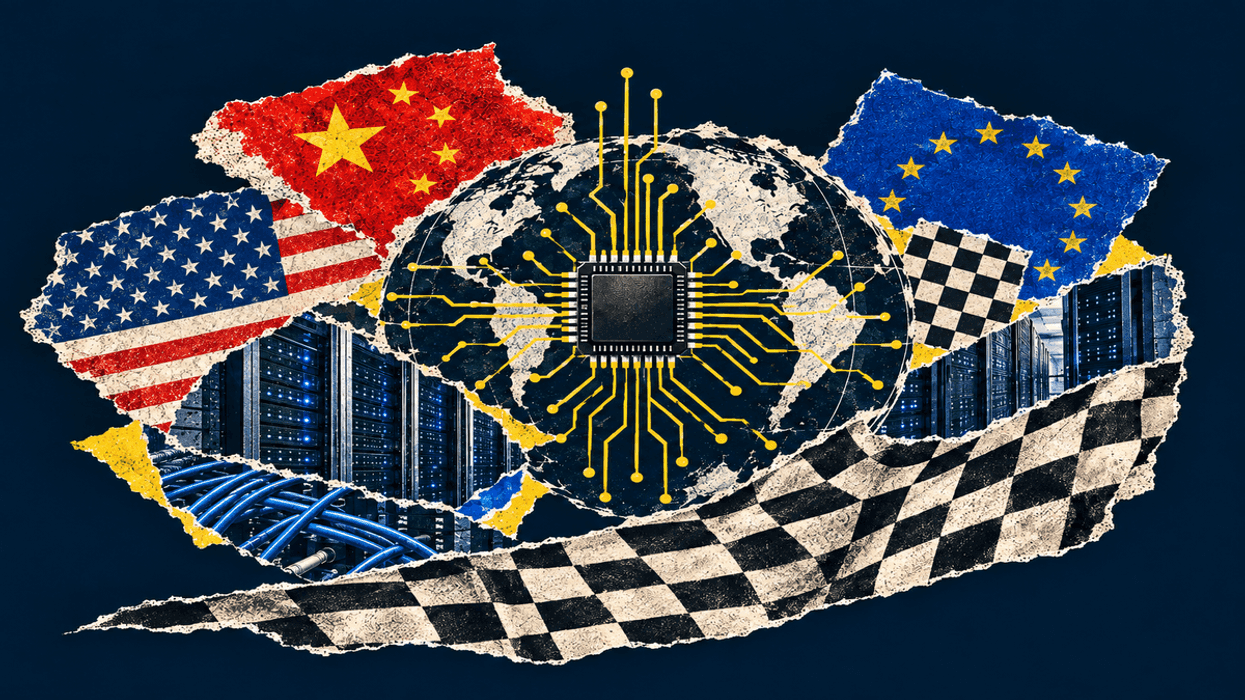
As any fan of martial arts knows, one of the best moves is to take an attacker's weapon and turn it back on them. In 2016, that's just what Beijing did – in cyberspace: after American operatives used a particular bit of code to attack Chinese computer systems, Chinese hackers took it, repurposed it, and used it to attack a bunch of US allies, according to The New York Times.

The technical details of the story are fascinating, but it also raises some big political questions:


If countries can't control their cyber arsenals, can they at least establish some ground rules for how they are used? Avoiding a destructive free-for-all in cyberspace may depend on it. But hacking tools aren't like conventional or nuclear arms, where countries have agreed to enforceable limits on capabilities and behavior. They're invisible, with no real way to count them or verify they've been destroyed, and prone to being stolen.

And despite an ongoing attempt by the US and its allies to deter bad behavior by indicting hackers, imposing sanctions, and even threatening military force in response to malicious cyber-attacks, there's nothing in cyberspace comparable to the doctrine of mutually assured destruction that has helped deter and prevent conflicts between nuclear-armed powers.

Why is that so difficult? For one thing, it's relatively easy to hide your identityor get hired guns to do your bidding in cyberspace – making it hard for the victims of cyber-attacks to be 100 percent confident in targeting their response.

There's also a lot of mischief that state-backed hackers can get up to that is short of outright war, but can still hurt an adversary (think: swiping personal data that can help identify spies or stealing trade secrets). Governments don't want to give those capabilities up. This helps explain why attempts to establish widely agreed, enforceable "cyber norms" have made limited progress, despite 15 years of wrestling with the issue at the UN.

The upshot: We already knew the US was struggling to secure its cyber arsenal. Now we know that just using a cyber weapon means there's a risk it'll be stolen and used by someone else. As more countries gain access to these tools, reaching a basic agreement on rules of behavior will become even more important.

More For You

​FILE PHOTO: Canadian Prime Minister Mark Carney and India's Prime Minister Narendra Modi shake hands before posing for a photo during the G7 Leaders' Summit in Kananaskis, in Alberta, Canada, June 17, 2025.

FILE PHOTO: Canadian Prime Minister Mark Carney and India's Prime Minister Narendra Modi shake hands before posing for a photo during the G7 Leaders' Summit in Kananaskis, in Alberta, Canada, June 17, 2025.

REUTERS/Amber Bracken/File Photo
Canada-India relations continue to recoverIndian Prime Minister Narendra Modi and Canadian Prime Minister Mark Carney struck a series of deals during a meeting in New Delhi on Monday, including a 10-year nuclear energy deal under which Canada will provide India with uranium. The two sides also agreed to finalize a free trade deal by year’s end. [...]
​A satellite image shows black smoke rising and heavy damage at Iranian Supreme Leader Ayatollah Ali Khamenei's compound in Tehran, Iran, on February 28, 2026.

A satellite image shows black smoke rising and heavy damage at Iranian Supreme Leader Ayatollah Ali Khamenei's compound, following strikes by the United States and Israel in Tehran, Iran, on February 28, 2026.

Pleiades Neo (c) Airbus DS 2026/Handout via REUTERS
The supreme leader is dead, the conflict is spreading, and US President Donald Trump still isn’t clear on who he wants to run Iran. With the fighting spreading to multiple fronts and Iran seeking a new leader, here’s what else you need to know about the conflict right now. First and foremost, the Islamic Republic confirmed on Sunday that Supreme [...]
​Military personnel operate during the BAMEX'25 Defense Expo, in Bamako, Mali, November 11, 2025.

Military personnel operate during the BAMEX'25 Defense Expo, in Bamako, Mali, November 11, 2025.

REUTERS/Francis Kokoroko
30: The number of foreign nationals who were kidnapped in Mali and Niger in the first 11 months of 2025, according to data from the independent conflict monitor ACLED, up from seven in the preceding three years combined. The Islamist insurgencies in these West African states have been threatening the broader region, but it could now turn into a [...]
​Iranian pro-government protesters wave national flags while participating in an anti-war protest gathering against the U.S. and Israeli military attacks in Iran, in Tehran, Iran, on February 28, 2026.

Iranian pro-government protesters wave national flags while participating in an anti-war protest gathering against the U.S. and Israeli military attacks in Iran, in Tehran, Iran, on February 28, 2026.

Photo by Morteza Nikoubazl/NurPhoto
The US and Israel struck several sites in coordinated attacks across Iran this morning. The total number of casualties across Iran is also unknown, though one of the missiles hit a girls’ school in Iran, reportedly killing 53 people. The country is under a near-total internet blackout.In response, Tehran has launched airstrikes at Israel, as well [...]