What will voters decide Down Under?
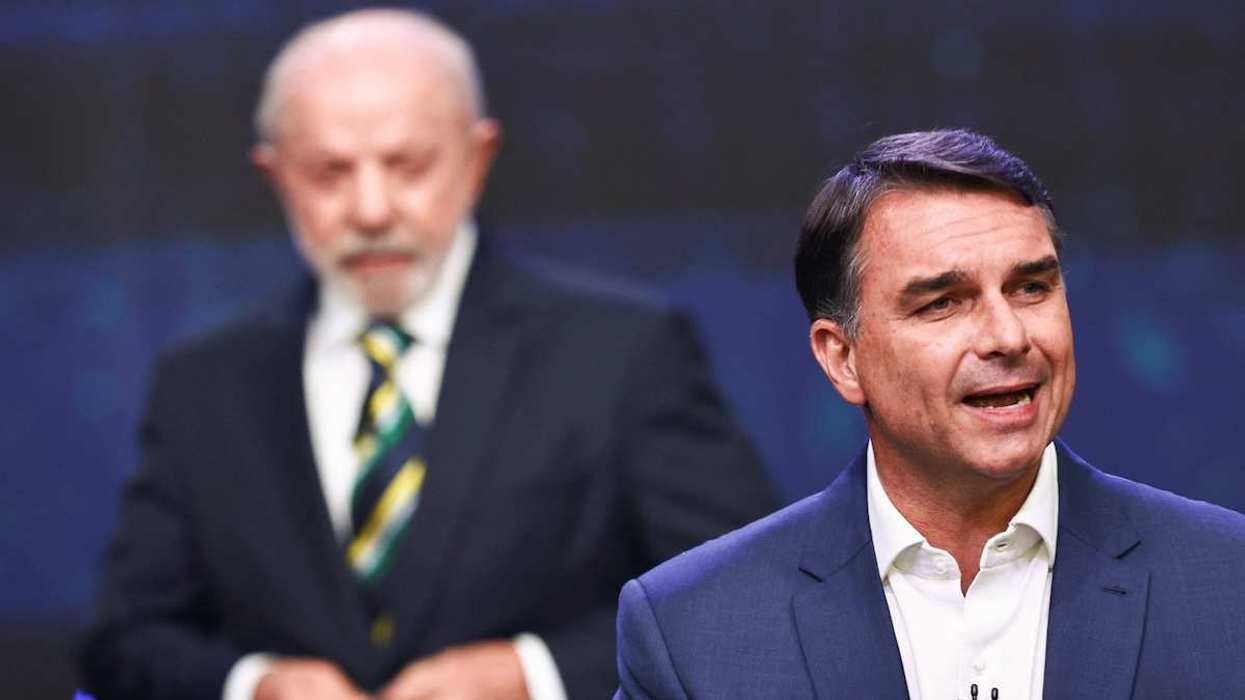
Aussie voters head to the polls on Saturday to decide whether to keep Prime Minister Scott Morrison (ScoMo) of the right-leaning Liberal-National Coalition in power, or to pass the baton to the Labor Party’s Anthony Albanese. Speak to any Aussie, and they’ll tell you that neither bespeckled, middle-aged candidate inspires much excitement. Still, someone has to win! After nearly two years under some of the tightest COVID lockdown restrictions in the world, Aussies appear ready for change: Albanese, a left-leaning centrist, is leading in national polls by 2%. That’s encouraging for ScoMo, who just two weeks ago was trailing by 8 percentage points. The election cycle has been dominated by the cost-of-living crisis currently plaguing many advanced economies. Though unemployment in Australia has hit record lows, inflation is outpacing wage growth. Albanese, a long-time politician with little cabinet experience, has made a series of gaffes recently about the economy that likely contributed to the narrowing margin. According to ABC, some 5-8% of Aussie voters are still undecided. That could be the difference between whether Labor comes out on top after nearly a decade in opposition government. As Signal’s resident Aussie (Gabrielle), I am off to vote!
Turkey plays hardball with Nordic NATO bids
Finland and Sweden thought joining NATO would be a cakewalk, but they’ve run into some serious Turkish veto power. Ankara wants the Swedes to extradite 33 members of the Kurdistan Workers' Party — considered a terrorist group by the EU — and to end their arms embargo against Turkey over its military intervention in northern Syria. Turkey has less of a beef with Finland, but just in case, the Finns clarified that they won't host NATO bases or nukes (Sweden's ruling party concurs). But perhaps what the Turks really want is something the Nordics can't offer: for the US Congress to lift its ban on selling Turkey F-35 fighter jets — payback for Ankara purchasing Russian S-400 missiles against Washington's wishes. It turns out the Biden administration wanted to offer F-16s before Turkey upended NATO’s expansion plans, so let’s see how this all plays out. Turkey’s tough-talking President Recep Tayyip Erdoğan knows how to keep allies on edge, and he’s doing so when he can’t really afford to pick fights: his economy is in shambles, so he needs friends to invest in Turkey.
Correction: This brief originally referred mistakenly to a ban F-16s, not F-35s.
New elections loom in Israel … again
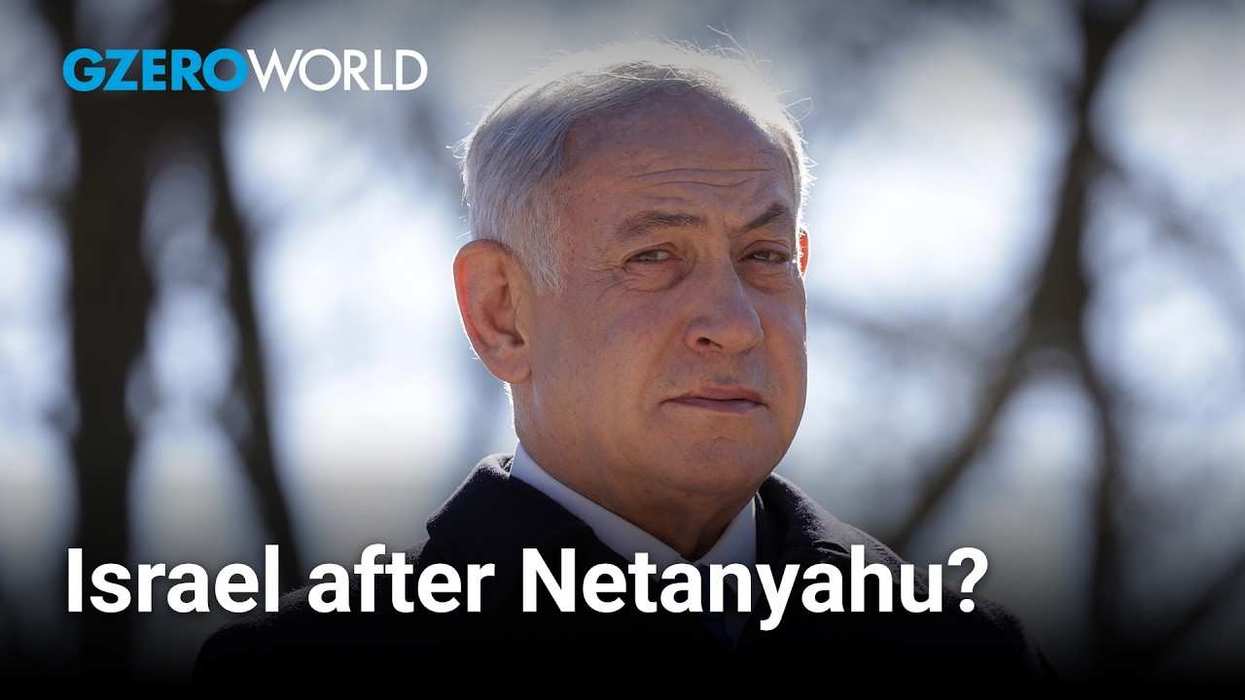
Israel’s fragile coalition government experienced a big blow on Thursday after Rinawie Zoabi, an Arab lawmaker from the far-left Meretz Party, quit the coalition. Zoabi criticized the government, led by PM Naftali Bennett, for pandering to the far-right flank of the bloc. She also said that recent violence around the Al-Aqsa Mosque compound in Jerusalem and the killing of a prominent Palestinian journalist in the West Bank forced her to make the “moral decision.” This comes just weeks after another coalition legislator bolted, and Bennett now has the unenviable task of leading a minority government (there are 59 coalition members in the 120-seat chamber), which will make it very hard to pass legislation. Meanwhile, former PM Benjamin “Bibi” Netanyahu, who now heads the opposition, is pushing hard for a no-confidence vote in the Knesset next Wednesday that would force another election, the country’s fifth in two and a half years. It is unclear, however, whether he has the votes. Bibi has to tread carefully: according to Knesset rules, if the motion fails, he has to wait six months before he can try again. Foreign Minister Yair Lapid, the architect behind the unwieldy coalition, now has less than a week to try and stave off more defections that could sound the death knell for the Bennett government.
This comes to you from the Signal newsletter team at GZERO Media. Get balanced reporting of foreign affairs by subscribing today for your free daily Signal.