Western press coverage of Ukraine’s war has shifted. Today, there are few stories about determined, resourceful Ukrainian fighters pushing back Russian invaders and regaining lost ground. Most current coverage focuses on Ukraine’s exhaustion, its wavering Western backers, and Vladimir Putin's recent swagger.
Yes, as my friend Alex Kliment noted yesterday, Ukraine’s future is genuinely uncertain. Its material losses are far heavier than Russia’s, mainly because the war has been fought almost entirely on Ukrainian land. Damage to its trade and infrastructure shrank Ukraine’s economy by 29.1% in 2022 before the return home of some of the country’s millions of refugees brought a modest rebound last year. EU membership remains a distant dream.
Russia’s economy has notably strengthened. This country of 140 million people (Ukraine now has fewer than 40 million) has far more young men to push to the front, more industrial capacity, and far more natural resources to sell to finance the carnage. Its troops are deeply dug in to defend the 18% of Ukrainian territory they still hold.
Since invading Crimea 10 years ago on Feb. 27, 2014, and destabilizing the Donbas region a few weeks later, the Russian government has wisely kept foreign debt low, reducing the country’s vulnerability to Western sanctions. The war has boosted Russia’s economy by sending weapons production into overdrive, and despite Europe’s bold move to halt the import of Russian energy, Russia now sells more oil to energy-thirsty customers in China and India.
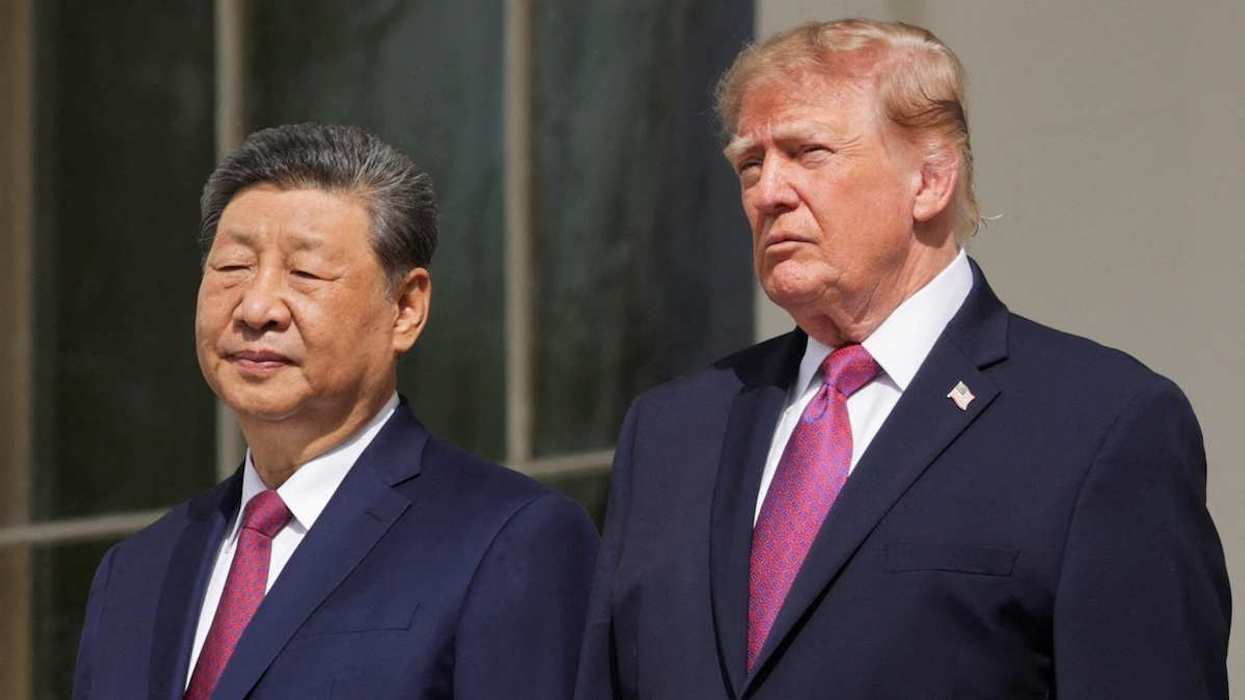
Finally, critics of aid for Ukraine in America and Europe are growing more politically aggressive. Fears that Donald Trump will again become president, abandon Kyiv, and perhaps yank the US from the transatlantic alliance encourage bravado from Putin and weigh heavily on European minds.
So … is Russia winning? Let’s look at the bigger picture.
Since Feb. 24, 2022, the moment two years ago tomorrow when Russian troops began their ill-fated march on Ukraine’s capital with dress uniforms in their packs for the impending parade of conquerors through Kyiv’s streets, Kremlin plans have gone badly off track.
NATO has grown stronger over the past two years, particularly with the addition of Finland and (soon) Sweden, and the alliance wouldn’t be easy to take apart even if Trump can reclaim the White House.
Russia and China are not friends on equal footing. China’s economy and population are nine times larger. Russia is very much the junior partner, and China has never recognized Russia’s claim on the Ukrainian land it seized 10 years ago, much less the gains from its current invasion.
Russia’s military has shown the world exactly what it can and cannot do. Hundreds of thousands of Russians have been killed or wounded to achieve a stalemate. The material losses will take years, maybe decades, to replace. Russian leaders remain determined to hide the horrible costs of this war from Russia’s people, even as they celebrate the costly (re)capture of the burned-out Ukrainian town of Avdiivka.
After the invasion, nearly a million Russians fled their country in search of a brighter future, exacerbating the country’s long-term demographic crisis.
The loss of Russia’s best energy market in Europe has forced it to sell its natural wealth, the most valuable products it produces, at cut-rate prices to the East. European customers may never return, no matter what happens in Ukraine.
War spending, which will account for a stunning one-third of Russia’s government spending in 2024, won't long outlive the fighting’s active phase. Given the disturbing stagnation in the rest of Russia’s economy, the economic hangover, once Russia needs fewer weapons, might well be severe.
Over time, oil and gas, which now make up more than one-third of government revenue, will lose much of their current value as green energy becomes cheaper and more widely available. (Even the Saudis know economies must modernize through diversification.)
In short, those who rule Russia have no credible blueprint for an innovative and dynamic 21st-century Russian economy that creates opportunity and prosperity to keep its best and brightest at home. That’s the true basis of lasting power.
So, what is Russia’s plan?
Its leaders measure their vitality by their ability to subvert and frustrate the foreign governments whose power they hate. Their primary purpose is to preserve domestic political control and wealth and to restore Russia's empire the old-fashioned way – by attempting, so far with sharply limited success, to subjugate millions of Ukrainians who now hate the Kremlin.
That’s why, whatever happens to Ukraine, Russia’s future has no future.
Kliment is surely right that “Putin is winning.” The Russian leader is on the verge of another (grotesquely manipulated) election victory and, as Alex notes in his column today, Putin faces no threat from the Russian people. The strongman’s challengers have gone to prison, died, or both. His hold on power appears strong.
But Russia is not winning. Putin has transformed his country into the world's biggest rogue state – by hard-charging Russia down the road to nowhere.